Best Time to Visit Ranthambore for Tiger Safari
July 14, 2026
Best Time to Visit Ranthambore for Tiger Safari: A Complete Seasonal Guide
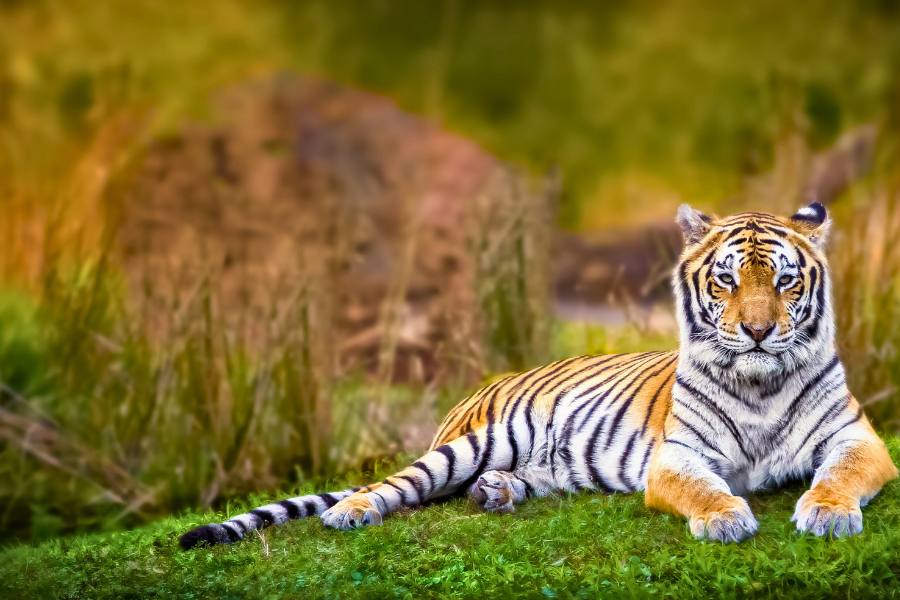
Planning a wildlife adventure in India is exciting, especially if spotting the majestic Royal Bengal Tiger is on your bucket list. One of the most common questions travelers ask before booking a safari is, "What is the best time to visit Ranthambore for Tiger Safari?" The answer depends on what kind of experience you're looking for. Some visitors prioritize the highest chance of tiger sightings, while others prefer pleasant weather, fewer crowds, or beautiful landscapes. Fortunately, Ranthambore National Park offers unique experiences throughout its operating season, making every visit memorable.
Located in Rajasthan's Sawai Madhopur district, Ranthambore is one of India's most celebrated tiger reserves and attracts wildlife enthusiasts, photographers, and nature lovers from around the world. Once the hunting grounds of Jaipur's royal family, the park is now a protected habitat for Royal Bengal Tigers, leopards, sloth bears, marsh crocodiles, hyenas, deer, and over 300 species of birds. Choosing the right season can significantly improve your safari experience, whether your goal is wildlife photography, family travel, or simply enjoying nature.
This comprehensive guide explains the best months to visit, weather conditions, tiger sighting opportunities, travel tips, and everything you need to know before planning your Ranthambore for Tiger Safari adventure.
Why Timing Matters for a Tiger Safari
Unlike visiting a monument or museum, wildlife safaris depend heavily on nature. Animals move freely across vast forests, and their behavior changes with the seasons. Temperature, rainfall, vegetation, and water availability all influence where tigers and other wildlife can be found.
Choosing the right season can dramatically increase your chances of seeing a tiger. During the hotter months, animals gather around lakes and waterholes, making sightings more frequent. During winter, the cooler climate makes safaris more comfortable, although dense vegetation can sometimes make wildlife harder to spot.
Planning your safari at the right time also helps you avoid extreme weather and ensures you enjoy both the safari and the surrounding attractions, including Ranthambore Fort and local villages.
Ranthambore National Park Opening Season
Ranthambore National Park generally remains open from October to June every year.
The park closes during the monsoon season, usually from July through September, as heavy rains make forest tracks unsafe and help the ecosystem regenerate naturally.
Some buffer zones may remain open during the rainy season depending on weather conditions, but the core safari zones are typically closed for conservation purposes.
If seeing a tiger is your primary objective, planning your visit between October and June is highly recommended.
October to December: Pleasant Weather and Beautiful Landscapes
October marks the reopening of Ranthambore after the monsoon season. The forest becomes lush and green, lakes are full, and the entire landscape looks incredibly fresh.
Daytime temperatures usually range between 20°C and 30°C, making safari drives comfortable. The pleasant climate also attracts many international tourists who combine wildlife experiences with Rajasthan's cultural destinations such as Jaipur, Udaipur, and Jodhpur.
Although tiger sightings are possible, the dense post-monsoon vegetation sometimes makes it harder to spot wildlife. Tigers have plenty of water sources available throughout the park, so they are less concentrated around lakes.
For photographers, however, this season offers vibrant colors, dramatic skies, and beautiful landscapes that create stunning wildlife images. Families with children and first-time visitors often prefer this period because of the comfortable weather.
January to February: Cool Weather and Excellent Wildlife Experiences
January and February are among the most comfortable months to visit Ranthambore. Morning temperatures can drop below 10°C, while daytime remains pleasantly warm.
Early morning safaris during winter often feature misty landscapes, golden sunlight, and excellent opportunities to observe deer, langurs, peacocks, crocodiles, and numerous bird species.
Tiger sightings remain consistent, although cooler temperatures allow animals to remain active throughout the day rather than gathering exclusively near water bodies.
Birdwatchers especially enjoy this season because migratory birds arrive from various parts of the world, making Ranthambore a paradise for wildlife photography.
If your priority is combining comfortable weather with quality safari experiences, winter is an excellent choice.
March to April: Increasing Tiger Sighting Opportunities
As temperatures begin rising during March and April, vegetation gradually becomes thinner. Smaller water sources dry up, encouraging wildlife to visit permanent lakes and watering holes.
This seasonal behavior significantly improves the chances of spotting Royal Bengal Tigers.
Morning temperatures remain pleasant, while afternoon safaris become warmer. Visitors should carry hats, sunglasses, sunscreen, and plenty of drinking water.
Wildlife photographers often consider March one of the most rewarding months because visibility improves while temperatures remain manageable.
Booking your Ranthambore for Tiger Safari during this period provides an excellent balance between comfortable weather and higher tiger sighting probabilities.
May to June: The Best Months for Tiger Sightings
Wildlife experts widely consider May and June the absolute best months for tiger sightings.
Temperatures frequently exceed 40°C, creating challenging conditions for visitors but excellent opportunities for wildlife observation.
Because most smaller water sources have dried up, tigers regularly visit lakes, ponds, and waterholes to cool themselves. Safari guides know these areas well, increasing the likelihood of memorable encounters.
Many of Ranthambore's famous tiger photographs have been captured during these summer months.
Travelers should prepare carefully by wearing lightweight cotton clothing, carrying sufficient water, applying sunscreen, and choosing morning safari sessions whenever possible.
Despite the heat, dedicated wildlife enthusiasts frequently describe summer as the most rewarding season for Ranthambore for Tiger Safari.
Monsoon Season: Why the Park Closes
Between July and September, heavy monsoon rains transform Ranthambore into a lush green wilderness.
Although the scenery becomes spectacular, safari operations are largely suspended because muddy roads become difficult to navigate and wildlife requires minimal disturbance during breeding and habitat regeneration.
This annual closure plays an important role in maintaining the park's ecological balance and protecting its diverse flora and fauna.
Visitors planning Rajasthan holidays during the monsoon often explore nearby forts, palaces, and cultural attractions instead.
Best Month Based on Your Travel Goals
| Travel Goal | Best Months |
|---|---|
| Highest Tiger Sighting Chance | April, May, June |
| Comfortable Weather | October to February |
| Wildlife Photography | March, April, May |
| Bird Watching | January and February |
| Family Holidays | October to March |
| Budget Travel | Late April and May |
This seasonal flexibility makes Ranthambore suitable for nearly every type of traveler.
Morning vs Evening Safari
Visitors often wonder whether morning or evening safaris offer better wildlife encounters.
Morning safaris provide cooler temperatures, soft lighting for photography, and active wildlife after sunrise.
Evening safaris often become particularly exciting during summer, when animals emerge near waterholes before sunset to escape the day's intense heat.
Many experienced naturalists recommend booking both safari sessions to maximize wildlife sightings.
Tips for a Successful Tiger Safari
- Book safari permits several weeks in advance, especially during peak season.
- Wear neutral-colored clothing such as olive, brown, or beige.
- Carry binoculars for birdwatching and distant wildlife.
- Bring a camera with a telephoto lens if photography is your priority.
- Follow your naturalist's instructions at all times.
- Remain quiet during the safari to avoid disturbing wildlife.
- Keep expectations realistic, as wildlife sightings can never be guaranteed.
Patience often rewards visitors with unforgettable moments deep inside the forest.
Attractions Near Ranthambore
While the tiger safari remains the main attraction, visitors should also explore nearby destinations.
The UNESCO-listed Ranthambore Fort offers panoramic views of the forest and centuries of fascinating history.
Surwal Lake attracts numerous migratory birds during winter.
The Trinetra Ganesh Temple inside the fort is one of Rajasthan's most visited religious sites.
Many travelers combine Ranthambore with Jaipur, Agra, and Delhi, creating a memorable Golden Triangle itinerary with wildlife included.
Why Ranthambore Is One of India's Best Tiger Reserves
Ranthambore enjoys international recognition because it offers one of the highest probabilities of seeing wild Royal Bengal Tigers in their natural habitat.
Its relatively open terrain, experienced safari guides, excellent road network, and healthy tiger population make it particularly attractive for first-time safari visitors.
Unlike dense forests where wildlife remains hidden, Ranthambore's lakes, rocky hills, grasslands, and open valleys provide exceptional visibility.
Every safari offers the possibility of witnessing remarkable interactions between predators and prey while experiencing India's extraordinary biodiversity.
Conclusion
The best time to visit Ranthambore depends on your expectations.
If your goal is the highest probability of seeing a tiger, plan your Ranthambore for Tiger Safari between April and June. If you prefer comfortable weather with enjoyable sightseeing, October through February offers ideal conditions. Wildlife photographers often choose March and April, while birdwatchers favor the winter months.
Regardless of when you visit, Ranthambore promises unforgettable encounters with nature, breathtaking landscapes, and the thrilling possibility of seeing the magnificent Royal Bengal Tiger roaming freely through one of India's most famous national parks.
Whether you're traveling with family, friends, or as a solo adventurer, planning your safari during the right season will create memories that last a lifetime.
Frequently Asked Questions
1. Which month offers the highest chance of seeing tigers?
May and June generally provide the highest tiger sighting opportunities because animals frequently visit waterholes during the intense summer heat.
2. Is winter a good time to visit Ranthambore?
Yes. October through February offers pleasant weather, comfortable safaris, and excellent opportunities to observe a wide variety of wildlife and birds.
3. How many safaris should I book?
Booking at least two to three safaris significantly increases your chances of spotting tigers and other wildlife.
4. Is Ranthambore suitable for families?
Absolutely. The park is family-friendly and offers an exciting educational experience for children interested in wildlife and nature.
5. Can I combine Ranthambore with the Golden Triangle?
Yes. Many travelers combine Delhi, Agra, Jaipur, and Ranthambore into a 7 to 10-day itinerary, making it one of India's most popular travel routes.