Delhi: The Heart of India
September 23, 2025
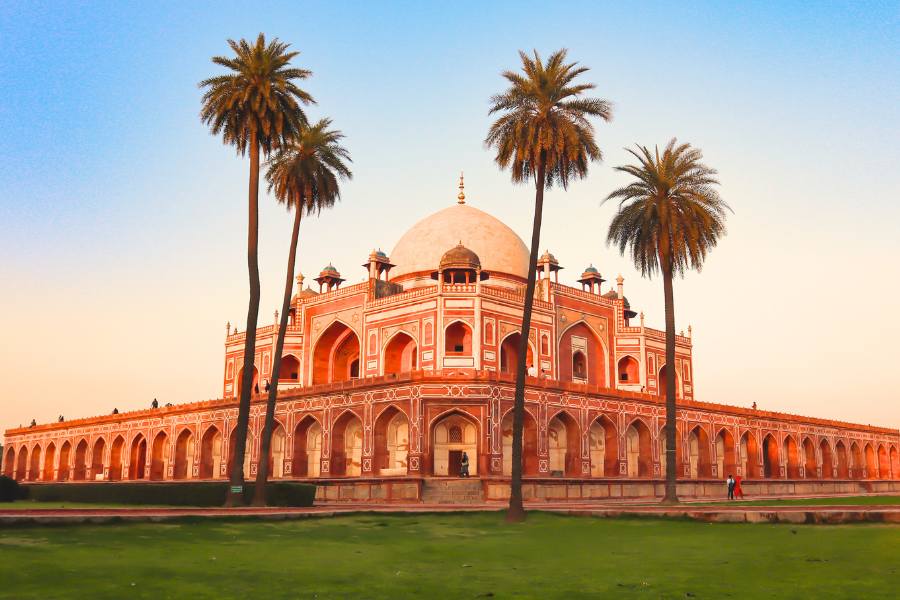
Delhi: The Heart of India: Detailed Summary
Delhi, India's capital city, is more than just a thriving metropolis; it's a living fabric in which history, culture, and modernity coexist harmoniously. Known as the "Heart of India," Delhi is both politically crucial and culturally lively, taking visitors on a trip through centuries of culture, architecture, and diversity.
A Historical Legacy
Delhi has served as the capital of various empires, including the Mauryas, Mughals, and British Raj. Each left behind architectural wonders such as the Red Fort, Qutub Minar, Humayun's Tomb, and India Gate, transforming the city into an open-air museum of history. The contrast between Old Delhi's small streets, bustling bazaars, and Mughal-era monuments and New Delhi's broad boulevards and colonial-era structures depicts India's evolution.
Cultural Melting Pot
Delhi embodies the genuine spirit of diversity, as it is home to individuals from all over India. Diwali, Eid, Holi, and Christmas are all celebrated with equal enthusiasm, making the city a cultural hotspot. The food scene is legendary, ranging from delicious street cuisine in Chandni Chowk to upscale dining in Connaught Place and South Delhi.
Modern Identity
Today, Delhi is a symbol of India's modern development. Skyscrapers, tech clusters, shopping malls, and world-class metro connectivity distinguish it as one of the most developed cities in the country. Despite this modernity, Delhi retains its old-world beauty, allowing visitors to experience both the past and the present in one trip.
Political Importance
Delhi, India's capital, is home to key organizations such as the Parliament, Rashtrapati Bhavan, the Supreme Court, and embassies from many nations. It serves as a decision-making hub for policies that shape the nation.
Tourist Attractions
Delhi receives millions of visitors each year. Highlights include:
- Historical monuments: Red Fort, Jama Masjid, Qutub Minar, and Lotus Temple.
- Spiritual sites: Akshardham Temple, Gurudwara Bangla Sahib, and Hazrat Nizamuddin Dargah.
- Modern landmarks: India Gate, the Lotus Temple, and the National Museum.
The Soul of Delhi
What actually distinguishes Delhi as "the heart of India" is its juxtaposition of chaos and order, tradition and modernity, spirituality and politics. It reflects India's centuries-long journey while also serving as the nation's pulse.