Delhi Tour Guide: 25 Must-Visit Attractions You Can't Miss
July 16, 2026
Delhi Tour Guide: 25 Must-Visit Attractions You Can't Miss
Delhi is a city that effortlessly blends thousands of years of history with the energy of modern India. Every neighborhood has a unique story to tell, from majestic Mughal monuments and colonial landmarks to colorful street markets and peaceful gardens. Whether you're visiting for the first time or returning to explore more, India's capital offers experiences that leave lasting memories. You can spend your morning exploring a UNESCO World Heritage Site, enjoy authentic street food for lunch, shop in vibrant local bazaars during the afternoon, and finish your evening watching the city lights illuminate iconic monuments. That is what makes Delhi one of the most exciting travel destinations in the country.
This Delhi Tour Guide is designed to help you discover the city's most famous attractions while also giving you practical travel inspiration. Instead of wondering where to start, you'll find carefully selected destinations that showcase Delhi's rich culture, fascinating history, stunning architecture, and lively atmosphere. From ancient forts and peaceful temples to bustling markets and modern entertainment hubs, every attraction has something unique to offer. Whether you have only two days or an entire week, these must-visit places deserve a spot on your itinerary. Let's begin exploring the incredible attractions that make Delhi truly unforgettable.
1. Red Fort
The magnificent Red Fort is one of Delhi's most recognizable landmarks and a UNESCO World Heritage Site. Built in 1648 by Mughal Emperor Shah Jahan, this massive red sandstone fortress served as the residence of Mughal emperors for nearly two centuries. As you enter through the Lahori Gate, you'll immediately notice the grandeur of its architecture, with towering walls, elegant gateways, and beautifully designed courtyards. The fort reflects the artistic excellence of Mughal craftsmanship through its marble halls, decorative arches, and intricate carvings. Every corner tells stories of royal ceremonies, political decisions, and historical events that shaped India's past.
Visitors can spend several hours exploring attractions inside the complex, including Diwan-i-Aam, Diwan-i-Khas, Rang Mahal, and the museums displaying artifacts from India's freedom movement. During the evening, the Sound and Light Show brings the fort's fascinating history to life with narration, music, and colorful lighting effects. Every year on Independence Day, the Prime Minister of India hoists the national flag from the Red Fort, making it a symbol of national pride as well as architectural beauty. Arriving early in the morning helps you avoid crowds and capture stunning photographs before the midday heat.
2. Qutub Minar
Standing at over 72 meters tall, Qutub Minar is the tallest brick minaret in the world and another UNESCO World Heritage Site that attracts millions of visitors every year. Constructed in the late 12th century by Qutb-ud-din Aibak and later expanded by his successors, the tower showcases exquisite Indo-Islamic architecture. Its red sandstone exterior is decorated with beautifully carved Quranic inscriptions and intricate floral patterns, making it one of India's finest examples of medieval craftsmanship. Looking up at the towering structure leaves most visitors amazed by the engineering skills of the period.
The surrounding Qutub Complex is equally fascinating. It includes the famous Iron Pillar, ancient ruins, mosques, and gateways that reveal layers of Delhi's rich history. Historians remain intrigued by the Iron Pillar because it has resisted rust for over 1,600 years despite being exposed to the elements. The landscaped gardens surrounding the monuments create a peaceful atmosphere, making it an ideal place for photography, family outings, and history enthusiasts. Sunset is particularly magical here as the warm golden light highlights the intricate carvings on the ancient stone structures.
3. Humayun's Tomb
Humayun's Tomb is often considered the architectural inspiration for the Taj Mahal, and one visit quickly reveals why. Built in the 16th century by Empress Bega Begum in memory of Emperor Humayun, this magnificent mausoleum introduced Persian garden architecture to the Indian subcontinent. The perfectly symmetrical design, grand central dome, elegant archways, and lush Charbagh gardens create a peaceful setting that feels far removed from the busy streets of Delhi. Every pathway leads to beautifully maintained gardens, fountains, and smaller tombs that add to the monument's charm.
The tomb represents one of the earliest masterpieces of Mughal architecture and remains one of Delhi's most photogenic landmarks. Visitors often spend hours walking through the gardens, admiring the detailed craftsmanship, and learning about the Mughal Empire's cultural legacy. Early mornings and late afternoons offer the best lighting for photography while providing cooler temperatures for sightseeing. If you're interested in architecture, history, or peaceful landscapes, Humayun's Tomb is an attraction you simply cannot miss.
4. India Gate
India Gate stands proudly in the heart of New Delhi as one of the nation's most beloved landmarks. Built in memory of more than 70,000 Indian soldiers who lost their lives during World War I and the Third Anglo-Afghan War, this towering war memorial symbolizes courage, sacrifice, and national unity. The beautifully landscaped lawns surrounding the monument attract families, tourists, photographers, and local residents throughout the day. During the evenings, the illuminated arch creates a spectacular sight, making it one of the city's most popular gathering places.
A short walk from India Gate leads visitors along Rajpath, where impressive government buildings showcase magnificent colonial architecture. Street vendors selling snacks, ice cream, and local delicacies add to the lively atmosphere, making the area enjoyable for visitors of all ages. Many travelers choose to relax on the lawns while enjoying the cool evening breeze and watching the monument glow against the night sky. No visit to Delhi feels complete without spending some time at this iconic national landmark.
5. Purana Qila
Purana Qila, also known as the Old Fort, is one of Delhi's oldest surviving forts and is believed by many historians to stand on the site of the ancient city of Indraprastha mentioned in the Mahabharata. The fort combines Afghan and Mughal architectural styles, featuring enormous stone walls, majestic gateways, and historical ruins that transport visitors centuries into the past. Exploring its expansive grounds offers a fascinating glimpse into Delhi's layered history and archaeological significance.
The peaceful lake located beside the fort provides boating opportunities, making the attraction enjoyable for both history lovers and families. During winter evenings, a sound and light show narrates Delhi's remarkable journey through different dynasties and civilizations. The lush greenery surrounding the fort creates an ideal setting for leisurely walks, photography, and quiet relaxation away from the city's traffic. This Delhi Tour Guide recommends setting aside at least two hours to fully appreciate everything Purana Qila has to offer.
6. Lotus Temple
Among Delhi's most recognizable modern landmarks, the Lotus Temple is admired for its breathtaking architecture and peaceful atmosphere. Designed in the shape of a blooming white lotus flower, this Baháʼí House of Worship welcomes people of every religion, nationality, and background. Unlike many places of worship, there are no idols, rituals, or sermons inside the temple. Visitors are encouraged to sit quietly, meditate, or simply enjoy the silence. This unique approach makes the Lotus Temple a refreshing escape from the hustle and bustle of city life.
The temple is surrounded by beautifully landscaped gardens and nine tranquil pools that enhance its stunning appearance. Photographers often visit during sunrise or sunset when the marble petals reflect the changing colors of the sky. Inside, the spacious prayer hall can accommodate thousands of visitors while maintaining an atmosphere of complete serenity. Whether you're seeking spiritual reflection or simply appreciate remarkable architecture, the Lotus Temple offers an unforgettable experience. Every traveler following this Delhi Tour Guide should make time to visit this iconic destination for a moment of peace amid an exciting sightseeing itinerary.
7. Akshardham Temple
Swaminarayan Akshardham is one of the largest and most spectacular Hindu temple complexes in the world. Built using pink sandstone and white marble, the temple showcases extraordinary craftsmanship through thousands of detailed carvings depicting saints, deities, musicians, animals, and scenes from Indian culture. Every pillar, dome, and arch has been carefully designed to celebrate India's spiritual heritage and artistic traditions. Walking through the complex leaves visitors amazed by the sheer scale and intricate beauty of the architecture.
The temple offers much more than its magnificent exterior. Visitors can explore exhibitions that introduce India's ancient wisdom through engaging multimedia presentations, enjoy a peaceful boat ride highlighting thousands of years of Indian civilization, and witness the breathtaking musical fountain show held in the evening. The beautifully maintained gardens provide excellent spaces to relax after exploring the temple complex. Since security checks are thorough and electronic devices are restricted inside, arriving early helps ensure a smooth visit. Akshardham is one of those attractions that combines spirituality, culture, history, and entertainment into a single unforgettable experience.
8. Jama Masjid
Jama Masjid is one of India's largest and most magnificent mosques, reflecting the grandeur of Mughal architecture at its finest. Commissioned by Emperor Shah Jahan in the 17th century, the mosque features three grand gateways, towering minarets, elegant domes, and a vast courtyard capable of accommodating more than 25,000 worshippers. Built primarily from red sandstone and white marble, the monument showcases remarkable craftsmanship that continues to impress visitors centuries after its construction.
One of the highlights of visiting Jama Masjid is climbing the southern minaret. After ascending the narrow spiral staircase, visitors are rewarded with spectacular panoramic views of Old Delhi, where historic buildings, crowded markets, and winding streets stretch into the distance. The surrounding neighborhood is equally fascinating, offering countless opportunities to sample authentic Mughlai cuisine, traditional sweets, and famous street food. Respectful clothing is required when entering the mosque, and visitors should remove their shoes before stepping inside. The peaceful atmosphere within the prayer hall provides a meaningful contrast to the energetic streets outside.
9. Raj Ghat
Raj Ghat is a place of immense historical importance and serves as the memorial dedicated to Mahatma Gandhi, the Father of the Nation. The simple black marble platform marks the spot where Gandhi was cremated following his assassination in 1948. Unlike elaborate monuments, Raj Ghat reflects Gandhi's lifelong values of simplicity, humility, and peace. The eternal flame burning beside the memorial symbolizes his enduring legacy and continues to inspire millions of visitors from around the world.
Beautiful gardens surround the memorial, creating a calm and reflective environment where visitors can quietly pay their respects. Educational displays nearby provide valuable insights into Gandhi's philosophy of non-violence and India's struggle for independence. Walking through the peaceful pathways encourages visitors to pause and reflect on one of history's most influential leaders. Raj Ghat is not only a place of remembrance but also an opportunity to better understand India's journey toward freedom and the principles that continue to shape the nation today.
10. Rashtrapati Bhavan
Rashtrapati Bhavan, the official residence of the President of India, is one of the largest presidential residences in the world. Designed by British architect Sir Edwin Lutyens, the magnificent building combines classical European architecture with traditional Indian design elements. Its enormous dome, elegant columns, beautifully landscaped gardens, and impressive ceremonial halls make it one of New Delhi's architectural masterpieces. Even viewing the building from outside leaves visitors impressed by its grandeur.
One of the biggest attractions here is the famous Mughal Gardens, now known as Amrit Udyan, which open to the public during selected weeks each year. The gardens burst into color with thousands of blooming flowers, decorative fountains, and perfectly maintained lawns that attract nature lovers and photographers alike. Guided tours of selected sections of Rashtrapati Bhavan allow visitors to admire its historic halls, art collections, and ceremonial rooms while learning about India's democratic traditions. This Delhi Tour Guide recommends checking the seasonal opening schedule in advance if you wish to experience the gardens at their finest.
11. Connaught Place
Connaught Place, commonly known as CP, is the commercial heart of New Delhi and one of the city's most vibrant destinations. Built during the British colonial period, its circular design features elegant white colonnaded buildings housing international brands, local boutiques, cafés, restaurants, bookstores, and entertainment venues. Whether you're interested in shopping, dining, or simply experiencing Delhi's energetic atmosphere, Connaught Place offers something for every traveler.
Beyond shopping, Connaught Place serves as an excellent starting point for exploring nearby attractions, including Janpath Market, Jantar Mantar, and Central Park. Street performers, cultural events, and seasonal festivals often bring extra life to the area, creating a lively environment throughout the year. Food enthusiasts can enjoy everything from traditional North Indian dishes to global cuisines, while coffee lovers will find numerous stylish cafés perfect for relaxing after a busy day of sightseeing. As evening falls, the illuminated colonial buildings create a charming ambiance that makes Connaught Place one of Delhi's favorite social hubs.
12. Chandni Chowk
No trip to Delhi is complete without experiencing the vibrant chaos of Chandni Chowk, one of India's oldest and busiest marketplaces. Established in the 17th century by Mughal princess Jahanara Begum, this historic market remains a fascinating blend of history, commerce, culture, and cuisine. Narrow lanes overflow with shops selling spices, jewelry, textiles, electronics, wedding attire, handicrafts, and countless other treasures. Every turn reveals something new, making exploration an adventure in itself.
Chandni Chowk is equally famous for its legendary street food. Visitors can enjoy crispy parathas, spicy chaat, creamy lassi, jalebi, kebabs, and countless regional specialties that have delighted generations of food lovers. Exploring the market by cycle rickshaw is a memorable way to navigate its bustling streets while soaking in the vibrant atmosphere. Despite its constant activity, Chandni Chowk retains an unmistakable old-world charm that reflects Delhi's rich cultural heritage. Whether you're shopping for souvenirs or tasting authentic local flavors, this historic marketplace promises an unforgettable experience and perfectly captures the spirit of Old Delhi.
13. Lodhi Garden
Lodhi Garden is one of Delhi's most peaceful green spaces, offering a refreshing escape from the city's busy streets. Spread across nearly 90 acres, the park features beautifully maintained lawns, flowering plants, walking trails, and centuries-old tombs dating back to the Lodi dynasty. Morning walkers, yoga enthusiasts, photographers, and families gather here daily to enjoy its calm atmosphere. The blend of nature and history makes every stroll through the garden a memorable experience.
The historic monuments inside the park, including Mohammed Shah's Tomb and Sikandar Lodi's Tomb, add architectural beauty to the lush landscape. During spring and winter, the gardens become even more attractive as flowers bloom and the weather remains pleasant. Whether you're looking for a quiet picnic spot or a scenic place to relax after exploring Delhi's monuments, Lodhi Garden is an excellent addition to your itinerary.
14. National Museum
The National Museum is a treasure trove of India's rich cultural heritage. Home to thousands of artifacts spanning over 5,000 years of history, it showcases everything from Indus Valley Civilization relics and ancient sculptures to royal jewelry, manuscripts, paintings, and decorative arts. Every gallery tells a different chapter of India's fascinating journey through time, making it an ideal destination for history enthusiasts and curious travelers alike.
Visitors can easily spend several hours exploring the museum's extensive collections. Interactive exhibits and informative displays help bring India's past to life, offering insights into the country's diverse traditions and artistic achievements. Whether you're interested in archaeology, religion, or ancient civilizations, the National Museum provides a deeper understanding of India's cultural legacy.
15. National Rail Museum
The National Rail Museum is a favorite destination for families and railway enthusiasts. The museum displays vintage steam locomotives, royal coaches, diesel engines, and interactive exhibits that showcase the evolution of India's railway network. Many of the restored trains have fascinating stories connected to India's colonial past and post-independence development.
Children particularly enjoy the toy train ride that circles the museum grounds, while adults appreciate the detailed information about railway engineering and history. The open-air exhibits allow visitors to walk around historic locomotives and even step inside some of the beautifully restored coaches. It is an entertaining and educational attraction suitable for visitors of all ages.
16. Hauz Khas Village
Hauz Khas Village perfectly combines Delhi's historical charm with its modern lifestyle. The area features medieval ruins surrounding a beautiful lake alongside trendy cafés, art galleries, designer boutiques, and restaurants. This unique combination creates an atmosphere unlike anywhere else in the city.
Visitors can explore the historic fort complex before relaxing at one of the many rooftop cafés overlooking the lake. The neighborhood becomes especially lively during the evening, attracting young travelers, photographers, and artists. If you're looking to experience contemporary Delhi while appreciating its historical roots, Hauz Khas Village is an ideal destination.
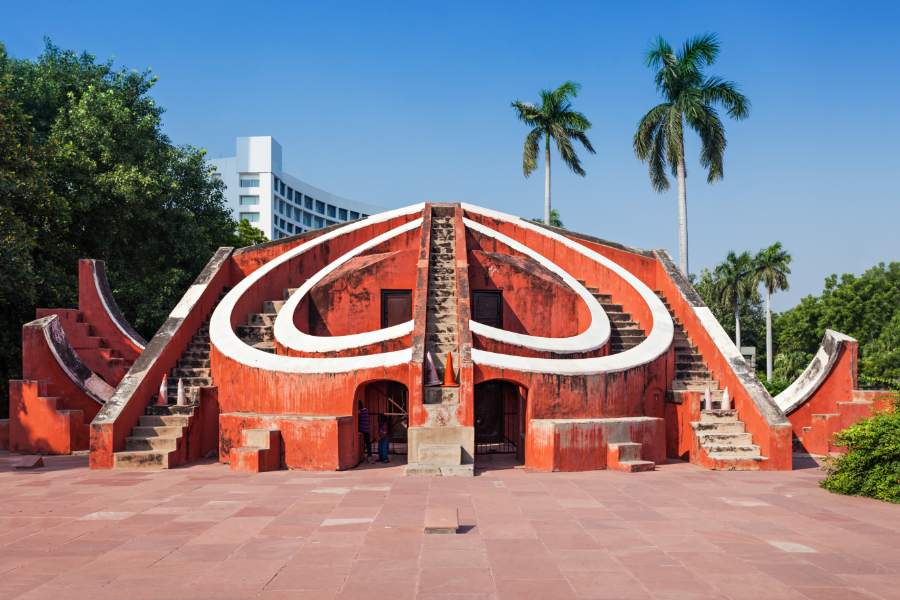
17. Jantar Mantar
Built by Maharaja Jai Singh II in 1724, Jantar Mantar is one of India's most remarkable astronomical observatories. The collection of massive geometric instruments was designed to measure time, predict eclipses, and observe celestial movements with impressive accuracy long before modern technology existed.
Walking through the observatory offers a fascinating glimpse into India's scientific achievements. Informational displays explain how each instrument functions, making the site interesting even for visitors with little knowledge of astronomy. Located near Connaught Place, Jantar Mantar can easily be included in a full day of sightseeing around central Delhi.
18. Agrasen Ki Baoli
Hidden among modern office buildings, Agrasen Ki Baoli is one of Delhi's most intriguing historical landmarks. This ancient stepwell stretches deep underground with symmetrical stone steps leading to a quiet water reservoir. The unique architecture creates dramatic perspectives that make it one of the city's favorite photography locations.
Legends and local folklore add an air of mystery to the site, attracting visitors interested in history as well as urban exploration. Despite being located in the heart of the city, the stepwell provides a surprisingly peaceful atmosphere where visitors can appreciate Delhi's lesser-known architectural heritage.
19. Dilli Haat
Dilli Haat offers one of the best shopping experiences for travelers seeking authentic Indian handicrafts. Designed as an open-air cultural marketplace, it brings together artisans from different states of India, allowing visitors to purchase handmade textiles, pottery, jewelry, paintings, wooden crafts, and traditional souvenirs directly from skilled craftsmen.
The food court is equally impressive, serving authentic regional cuisines from across India. Instead of traveling to multiple states, visitors can sample dishes from Kashmir, Rajasthan, Gujarat, Bengal, Kerala, and the Northeast in one location. This Delhi Tour Guide highly recommends Dilli Haat for anyone wanting to experience India's incredible cultural diversity in a single destination.
20. Garden of Five Senses
The Garden of Five Senses is a beautifully landscaped park designed to stimulate sight, sound, smell, touch, and taste. The gardens feature artistic sculptures, fountains, themed landscapes, colorful flowers, and peaceful walking paths that create a relaxing atmosphere for visitors.
Couples, photographers, and nature lovers especially enjoy spending time here because of its tranquil environment. Seasonal cultural festivals and art exhibitions frequently take place within the gardens, making every visit unique. It's an excellent place to unwind after exploring Delhi's bustling streets.
21. ISKCON Temple
The ISKCON Temple is one of Delhi's most visited spiritual attractions. Dedicated to Lord Krishna, the temple combines traditional architecture with modern facilities and offers visitors a peaceful environment for prayer and meditation. Beautiful devotional music, elegant marble interiors, and vibrant festivals create an uplifting atmosphere throughout the year.
The temple also features educational exhibitions explaining the teachings of the Bhagavad Gita and the philosophy of Krishna consciousness. Visitors often leave feeling inspired by the welcoming atmosphere and spiritual energy that fills the complex.
22. National Zoological Park
Located near Purana Qila, the National Zoological Park is home to hundreds of animal species from India and around the world. Visitors can observe Bengal tigers, Asiatic lions, elephants, rhinoceroses, reptiles, birds, and many endangered species in spacious enclosures designed to resemble natural habitats.
The zoo offers an enjoyable experience for families, especially those traveling with children. Wide walking paths, shaded areas, and educational displays make it both entertaining and informative. Visiting during the cooler months provides the most comfortable experience.
23. Janpath Market
Janpath Market is one of Delhi's most popular destinations for bargain shopping. The market offers colorful handicrafts, clothing, jewelry, leather goods, decorative items, souvenirs, and Tibetan artifacts at affordable prices. Bargaining is part of the shopping experience, making every purchase feel rewarding.
Many international visitors enjoy browsing through the vibrant stalls while discovering unique gifts to take home. The market's central location also makes it convenient to combine with visits to Connaught Place and nearby attractions.
24. Bangla Sahib Gurudwara
Bangla Sahib Gurudwara is one of the most respected Sikh places of worship in India. Its golden dome, white marble architecture, and peaceful sarovar (holy pond) create a calm environment that welcomes visitors from every background and faith.
One of the most inspiring experiences is witnessing the community kitchen, or Langar, where thousands of free meals are served daily by volunteers. This tradition reflects the Sikh values of equality, compassion, and selfless service. Respectful attire and head coverings are required before entering the temple complex.
25. Mehrauli Archaeological Park
Mehrauli Archaeological Park is a hidden gem that often surprises first-time visitors. Spread across more than 200 acres, the park contains over a hundred historical monuments representing different periods of Delhi's long history. Ancient tombs, mosques, stepwells, and ruins are scattered throughout beautifully landscaped surroundings.
The park offers a quieter alternative to Delhi's more crowded attractions while providing equally fascinating historical insights. Walking through the ruins feels like exploring an open-air museum where every monument has its own story waiting to be discovered.
Best Time to Visit Delhi
The ideal time to visit Delhi is between October and March, when the weather is cool and pleasant for sightseeing. Winter mornings are perfect for exploring monuments, gardens, and markets without the intense summer heat. This period also coincides with several cultural festivals, food fairs, and outdoor events that enhance the travel experience.
Avoid visiting during May and June if possible, as temperatures can exceed 40°C (104°F). The monsoon season from July to September brings occasional heavy rainfall, although it also transforms many of Delhi's gardens into lush green landscapes.
Essential Travel Tips
Planning ahead can make your Delhi trip far more enjoyable. Use the Delhi Metro whenever possible because it is affordable, efficient, and connects most major tourist attractions. Carry a reusable water bottle, wear comfortable walking shoes, and keep sunscreen, sunglasses, and a hat handy, especially during warmer months.
Dress modestly when visiting religious sites and always follow local customs, including removing your shoes where required. Keep some cash for local markets, although digital payments are widely accepted throughout the city. Most importantly, start your sightseeing early in the morning to avoid heavy traffic and large crowds.
Conclusion
Delhi is much more than India's capital—it is a destination where history, culture, spirituality, architecture, shopping, and food come together to create unforgettable travel experiences. From the majestic Red Fort and towering Qutub Minar to the peaceful Lotus Temple, lively Chandni Chowk, and colorful Dilli Haat, every attraction reveals a different side of this remarkable city. Whether you're fascinated by ancient monuments, eager to taste authentic street food, or interested in exploring vibrant local markets, Delhi offers something for every kind of traveler.
This Delhi Tour Guide has introduced 25 must-visit attractions that showcase the very best of the city. With thoughtful planning and a sense of adventure, you'll discover why millions of visitors return to Delhi again and again. Every street, monument, and marketplace contributes to an experience that is both enriching and unforgettable. Before long, you'll realize that Delhi is not just a destination—it's a journey through centuries of history and the vibrant heart of modern India.
Frequently Asked Questions
1. How many days are enough to explore Delhi?
A stay of 3 to 5 days is ideal for visiting the major attractions, exploring local markets, enjoying the city's food scene, and experiencing both Old and New Delhi at a comfortable pace.
2. Is Delhi safe for tourists?
Yes, Delhi is generally safe for tourists who follow standard travel precautions. Stay aware of your surroundings, use trusted transportation, avoid isolated areas late at night, and keep your valuables secure.
3. What is the best way to travel around Delhi?
The Delhi Metro is the fastest, most affordable, and convenient way to travel between major attractions. App-based taxis and auto-rickshaws are also widely available.
4. What food should I try in Delhi?
Don't miss local favorites such as Chole Bhature, Butter Chicken, Parathas, Chaat, Kebabs, Jalebi, Lassi, and Kulfi. Old Delhi is especially famous for its authentic street food.
5. What should I pack for a Delhi trip?
Pack comfortable walking shoes, lightweight clothing for daytime, a light jacket during winter, sunscreen, sunglasses, a reusable water bottle, a power bank, and a valid photo ID. These essentials will help you enjoy your trip comfortably and safely.