Discover Delhi: A City Where Heritage Meets Modern Life
December 5, 2025
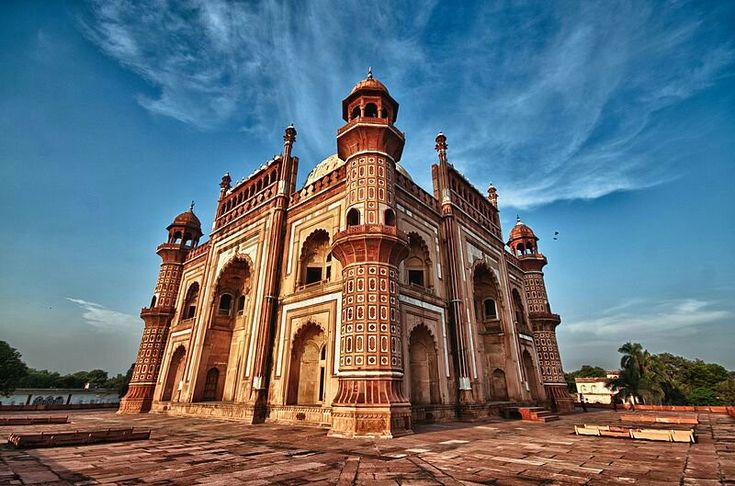
Discover Delhi: A City Where Modernity and Heritage Collide
Discover Delhi: A City Where Heritage Meets Modern Life is more than just a travel guide; it's an immersion into a world where ancient empires and contemporary India coexist in vivid harmony, where every street has a story, and where the past breathes beside the present. Discover Delhi: A City Where Heritage Meets Modern Life feels less like a title and more like a promise—a promise of tales concealed behind walls made of red sandstone, scents wafting from busy bazaars, and the electrifying pulse of a capital city that keeps reinventing itself without losing the treasures of its centuries-old identity.
When visitors arrive in Delhi, they frequently anticipate monuments, marketplaces, and museums, but what they find is much more nuanced: a culture molded by dynasties, a rhythm determined by diversity, and a personality characterized by friendliness, resiliency, and ongoing change.
The Many Facets of Delhi's History
Delhi has served as the capital of numerous kingdoms, including the Mughals, Tughlaqs, Tomars, Khiljis, and British colonists. Each of these countries left behind architectural wonders, urban designs, culinary traditions, and cultural symbols. Delhi is a living museum where many eras cohabit peacefully, from the intimidating Red Fort to the soaring Qutub Minar, from the tranquil Lodhi Gardens to the bustling Chandni Chowk.
However, the city is defined not only by its historical outlines but also by the metro lines cutting through its center, the contemporary skyscrapers sprouting in Delhi NCR, the international culinary spaces in Connaught Place, and the youthful energy flowing through Khan Market, CP, and Hauz Khas. Delhi is also known for its rickshaw bells, fragrant jalebis, Sufi qawwalis, and opulent shopping centers with glass walls that house global brands. This striking contrast is rarely found anywhere else.
Old Delhi: The Capital's Mughal Soul
It is crucial to start at the beginning in order to comprehend Delhi's complex origin tale. Many people think that Delhi's origins can be traced back thousands of years to Indraprastha, the Pandavas' fabled capital in the Mahabharata. An old settlement that dates to the third century BCE is suggested by archeological evidence found close to Purana Qila.
The term "the Seven Cities of Delhi" refers to the different monarchs who picked Delhi as their capital over the ages, each building their own version of the city, while historians contend that there were more. With its monuments, parks, mosques, havelis, and colonial boulevards scattered around the city, modern Delhi is like traveling through layers of time.
Red Fort: A Powerful and Proud Legacy
The beautiful Red Fort, or Lal Qila, in Old Delhi, a symbol of Mughal grandeur and the beginning of India's independence celebrations, is one of the first locations that tourists visit. Constructed in 1648 by Emperor Shah Jahan, it features beautiful carvings, marble inlay work, and the renowned Diwan-i-Khas, which formerly housed the fabled Peacock Throne.
One can see Mughal processions, regal proclamations, and the vibrant cultural life that formerly took place inside the fort's walls when standing in front of its enormous Lahori Gate. The Red Fort is now more than simply a monument; it is a national symbol. Every Independence Day, the Prime Minister of India unfolds the tricolor from it, creating a strong, poignant link between the past and the present.
Chandni Chowk: The Everlasting Marketplace of Tastes and Tales
Chandni Chowk, one of India's oldest and busiest markets, is only a short stroll away. The name "Chandni Chowk," which translates to "moonlit square," comes from Jahanara Begum, Shah Jahan's daughter, who envisioned a roadway where moonlight would shimmer on the water channels running through its center.
Visitors are introduced to Delhi's culinary essence at Chandni Chowk, where they may sample delicious parathas at Paranthe Wali Gali, creamy lassi, rabri, jalebi, and renowned Mughlai dishes like Karim's kebabs and nihari. Rickshaws navigate through thick crowds, spice sellers showcase vibrant masalas, and temple bells and prayers merge with the chaos of daily trade.
Jama Masjid: An Icon of Magnificence and Faith
Shah Jahan rebuilt the greatest mosque in India, the Jama Masjid, which stands triumphantly at the end of Chandni Chowk. Built with red sandstone and marble, its courtyard holds up to 25,000 worshippers.
Visitors who climb the minaret steps are rewarded with an unforgettable view of Old Delhi—busy rooftops, domes, and bustling streets where life never slows. The aroma of grilled meats and the rhythm of prayer make Jama Masjid one of Delhi’s most unforgettable cultural experiences.
New Delhi: The Imperial Vision of Lutyens
New Delhi exhibits its colonial elegance, while Old Delhi captures the city's Mughal essence. Lutyens' Delhi's broad, leafy boulevards were built to symbolize British imperial authority. Connaught Place (CP) is its heart—a circular marketplace with white Georgian buildings, now buzzing with cafés, offices, stores, and modern culture.
CP leads to Janpath Market, a colorful stretch famous for clothes, accessories, and handmade treasures at bargain prices.
Rajpath and India Gate: Emblems of National Honor
India Gate, the war memorial built in honor of Indian soldiers of World War I, stands proudly at the eastern end of Rajpath. Families relax on its surrounding lawns, ice cream carts roll by, and the monument glows beautifully at night.
Rajpath, which connects India Gate to Rashtrapati Bhavan, hosts the grand Republic Day Parade every year, showcasing India’s military strength and cultural diversity.
Delhi's Spirituality: A City of Many Faiths
The Lotus Temple
The Lotus Temple, shaped like a blooming lotus, is a Bahá'í House of Worship open to all faiths. Its peaceful white marble architecture invites silence, meditation, and reflection.
Akshardham Temple
Nearby stands the magnificent Akshardham Temple, blending spirituality, art, and immersive displays. Intricate carvings, its grand musical fountain, and cultural exhibitions make it a favorite attraction for families.
Gurudwara Bangla Sahib
Gurudwara Bangla Sahib is another spiritual landmark, famous for its holy pond and massive Langar (community kitchen) serving free meals daily. The serene hymns and community service spirit leave visitors deeply moved.
Delhi's Architectural Wonder: Qutub Minar
Built in the 12th century, the 73-meter-tall Qutub Minar is a UNESCO World Heritage Site showcasing Indo-Islamic craftsmanship. The surrounding complex includes the Quwwat-ul-Islam Mosque and the Iron Pillar, famous for its rust-resistant metallurgy.
Lodhi Gardens: Nature in the Middle of History
Lodhi Gardens is a peaceful 90-acre park dotted with medieval tombs, tree-lined paths, ponds, and lush lawns. It is a favorite spot for morning walkers, nature lovers, and photographers.
Delhi's Museums: A Walk Through Time
Delhi’s museums showcase India’s artistic and cultural legacy. The National Museum houses Harappan relics, miniature paintings, Buddhist treasures, and sculptures. The Handicrafts Museum celebrates traditional crafts, while Gandhi Smriti explores Mahatma Gandhi’s life. The Rail Museum delights children with vintage locomotives and coaches.
Delhi in the Modern Era: Innovation and Global Influence
Modern Delhi extends to Aerocity, Gurugram, and Noida—centers of global business, fine dining, IT hubs, and luxury entertainment. Cyberhub in Gurugram, Noida's Film City, and Aerocity’s premium hotels reflect India’s dynamic progress.
Delhi's Cuisine: A Treat for Every Taste
Delhi’s food scene is unmatched—from street staples like chole bhature, momos, parathas, kebabs, and jalebi to iconic dishes like butter chicken from Moti Mahal or dosas from Saravana Bhavan. The city also offers global cuisines across luxury restaurants and cafés.
Delhi's Creative Pulse: Art and Culture
Delhi thrives artistically through theaters like Kamani Auditorium and Siri Fort, cultural hubs like Dilli Haat, and the vibrant, youthful Hauz Khas Village where medieval monuments meet trendy cafés.
Shopping in Delhi: From Luxury to Local Markets
Shoppers enjoy everything from budget fashion at Sarojini Nagar and Lajpat Nagar to luxury boutiques at DLF Emporio and Select Citywalk. Delhi’s shopping scene suits every style and budget.
Festivals: A City That Celebrates Everything
Delhi comes alive during festivals—Diwali lights, Holi colors, Eid feasts in Jama Masjid, Christmas décor in CP, and Durga Puja celebrations in Chittaranjan Park. The city celebrates every culture with equal joy.
Delhi's People: The Real Soul of the City
Delhiites are expressive, warm, humorous, and resilient. Conversations with locals—drivers, shopkeepers, students, and residents—reveal the city’s true character.
Discovering Delhi: An Endless Adventure
Delhi cannot be fully explored in one trip; it must be felt and experienced over time. Each season brings a new flavor—foggy winters, colorful springs, monsoon freshness, and vibrant summers.
Hidden monuments, street food legends, ancient gardens, and spontaneous cultural moments make every visit to Delhi unique. Despite its occasional chaos, Delhi is a city that teaches, surprises, and inspires.
Exploring India's Heart
Discovering Delhi is like discovering the heart of India—its history, flavors, spirit, and culture. The city stays with you long after the journey ends.