Golden Triangle India: A Perfect Blend of Culture, History & Royal Grandeur
November 22, 2025
India's Golden Triangle: The Ideal Combination of Royal Magnificence, Culture, and History
More than just a well-known tourist route, Golden Triangle India : A Perfect Blend of Culture, History & Royal Grandeur is a voyage that unveils the essence of the nation via three famous locations: Delhi, Agra, and Jaipur. This triangle path attracts tourists from all over the world because it features India's most exquisite fusion of Rajput grandeur, Mughal architecture, lively markets, mouthwatering food, and centuries of history encased in vibrant culture. Golden Triangle India: A Perfect Blend of Culture, History & Royal Grandeur encapsulates the essence of this itinerary, which is a remarkable experience deeply ingrained in Indian culture.
A Trip Through Time: Why India's Most Famous Route Is the Golden Triangle
The Golden Triangle, which spans over 720 km and connects the royal kingdom of Jaipur, the Mughal city of Agra, and the nation's capital Delhi, is a perfect triangle on the map. UNESCO World Heritage sites, ancient bazaars, medieval forts, busy modern avenues, and lively arts that showcase India's ethnic heritage can all be found in the area.
This trip is about more than just sightseeing; it's about taking in India's changes. You travel from the centuries-old riches and cosmopolitan bustle of Delhi to the poetic Mughal elegance of Agra, and then to the spectacular pink-hued palaces and desert beauty of Jaipur.
The Golden Triangle is a live cultural museum, with each city revealing a distinct period of Indian history.
Delhi: A Stunning Contrast Between the Old and the New
For more than a millennium, Delhi, the first destination on the Golden Triangle, has lived and breathed history. Every dynasty, including the British, Mughals, and Delhi Sultanate, left a trace of themselves here. Delhi is a vibrant blend of modernity, spirituality, heritage, and urban vitality today.
The Beating Heart of Mughal Magnificence: Old Delhi
The past whispers its tales as you stroll through Chandni Chowk's winding pathways. Aromatic spice markets, bustling confectionery stores, silver jewelry alleyways, and centuries-old restaurants may all be found here. Emperor Shah Jahan's imposing Red Fort is a representation of strength and superior architecture.
The magnificent Jama Masjid, one of India's biggest mosques, rises nearby with graceful domes and minarets. Climb the tower for breathtaking views of the city, or just observe life from the courtyard.
New Delhi: Modernity and Tradition in Balance
With its wide boulevards, government buildings, serene gardens, and upscale neighborhoods, New Delhi offers a different beat. The Parliament House, Rashtrapati Bhavan, and India Gate all highlight the colonial past of the city.
However, New Delhi's cultural diversity goes beyond politics and architecture:
- The tallest brick minaret in the world is still the imposing Qutub Minar.
- Humayun’s Tomb, often referred to as the Taj Mahal's inspiration.
- The Lotus Temple, a contemporary wonder of tranquil beauty.
- The Akshardham Temple, a complex piece of art and devotion.
Both upscale dining and street food are popular in Delhi. Every visit is enhanced by the city's flavors, which range from butter chicken in Daryaganj to kebabs in Nizamuddin to international cuisines in Khan Market.
Agra: The Place Where Love Turned Into Eternity
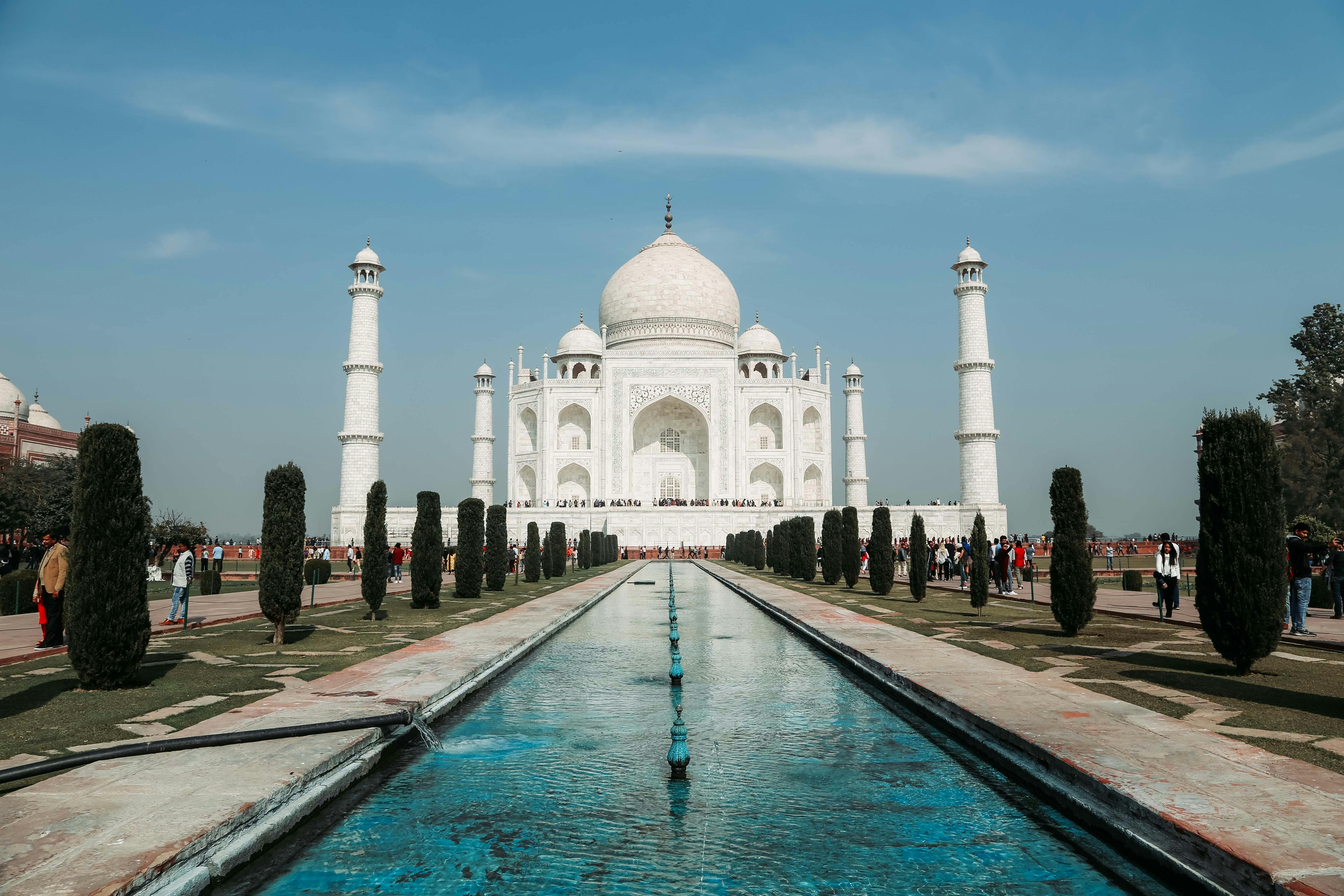
The Golden Triangle's emotional hub is Agra. This city is poetry engraved in marble and is well-known around the world as the location of the Taj Mahal. However, Agra is much more than a single monument. It was formerly the magnificent capital of the Mughal Empire, home to thriving marketplaces, regal palaces, and creative centers.
The Taj Mahal: An Incomprehensible Monument
The Taj Mahal always seems magical, no matter how many times you view it. The Taj Mahal, a representation of unending love, was constructed by Emperor Shah Jahan in honor of his cherished queen Mumtaz Mahal. Throughout the day, the marble takes on different hues: beautiful pink at dusk, brilliant white at noon, and gentle gold at daybreak.
Everyone is enthralled by the mausoleum's exquisite marble inlay work and flawless geometry.
Agra Fort: Mughal Legends, Politics, and Power
The massive red sandstone stronghold known as the Agra Fort is only a short distance away. You can feel the tales of emperors etched onto the walls as you stroll through its palaces, courtyards, and audience rooms. Across the Yamuna River, the fort provides some of the best views of the Taj Mahal.
Mehtab Bagh: Sunset at the Taj
Mehtab Bagh is ideal for romantics and photographers. This garden, which stands right across from the Taj Mahal, provides a serene, uncrowded view that is particularly beautiful at dusk.
Fatehpur Sikri: A Red Sandstone Ghost City
The magnificent UNESCO landmark Fatehpur Sikri, the deserted Mughal capital, is just a short drive from Agra. Through its palaces, courtyards, and the imposing Buland Darwaza, Akbar's architectural genius is evident.
Jaipur: The Royal Pink City Rich in Culture and Magnificence
The last corner of the Golden Triangle, Jaipur, is a festival of desert charm, colors, customs, and royal heritage. Jaipur, also referred to as the "Pink City," provides a captivating contrast to the Mughal splendor of Agra and the urban energy of Delhi.
Amber Fort: A Rajput Palace of Magnificence
One of India's most exquisite strongholds, the Amber Fort is perched on a hill. The Rajput rulers' grandeur is reflected in their marble palaces, mirrored halls, tranquil gardens, and enormous gates.
The Sheesh Mahal, shimmering from innumerable small mirrors, resembles a fantasy palace.
City Palace: An Actual Royal Home
The royal family of Jaipur still resides at the City Palace. Inside, you can peruse museums brimming with delicate Rajasthani artwork, manuscripts, ancient weapons, and regal robes.
Hawa Mahal: Jaipur's Icon
With its pink façade and sculpted windows, the five-story Hawa Mahal is a masterpiece of architecture designed to allow royal women to witness street life in secret.
Jantar Mantar: Stone-Carved Astronomy
This UNESCO site displays ancient India's scientific prowess and is home to the largest stone sundial in the world.
Culture & Markets
- Johri Bazaar for gemstones
- Bapu Bazaar for handicrafts
- Tripolia Bazaar for lac bangles
- Chaura Rasta for traditional fabrics
When you include Rajasthani thalis, camel rides, puppet plays, and folk dances, you have a city that honors tradition everywhere.
Why Every Traveler Should Take the Golden Triangle Tour
The Golden Triangle is ideal for both novice and experienced travelers:
- Families investigating culture
- Couples looking for love
- Photographers pursuing famous sites
- History buffs exploring ancient dynasties
- Foodies learning about local cuisines
Traveling the Golden Triangle has never been simpler thanks to modern expressways, opulent hotels, guided tours, and good road connectivity.
The Delhi-Agra expressway shortens travel times, monuments have greater amenities, and Jaipur's heritage zone has better tourism infrastructure.
An Everlasting Journey in Your Heart
The Golden Triangle India is more than just a path; it is the spirit of India encapsulated in three iconic cities. Jaipur enchants you with its royal appeal, Delhi enthralls you with its diversity, and Agra touches your soul with its romantic grace. They combine history, culture, art, architecture, cuisine, and living customs to create a trip experience.