How Many Days Are Enough for a Jaipur Tour?
July 24, 2026
How Many Days Are Enough for a Jaipur Tour?
Jaipur, the capital of Rajasthan and famously known as the Pink City, is one of India's most captivating travel destinations. Renowned for its majestic forts, magnificent palaces, colorful bazaars, rich cultural heritage, and royal hospitality, Jaipur attracts millions of visitors every year from around the world. Whether you're a history lover, an architecture enthusiast, a shopping enthusiast, or someone simply looking for a memorable vacation, a well-planned Jaipur Tour offers something for everyone.
One of the most common questions travelers ask before visiting is, "How many days are enough for a Jaipur Tour?" The answer depends on your travel style, interests, and how deeply you wish to explore the city's attractions. While some visitors cover the highlights in one day, others prefer spending three or four days to experience Jaipur's culture, cuisine, and hidden gems at a relaxed pace.
This comprehensive guide will help you determine the ideal duration for your Jaipur trip while highlighting the city's must-visit attractions, local experiences, travel tips, and suggested itineraries.
Why Jaipur Deserves More Than Just a Quick Visit
Jaipur is not just another tourist destination; it is a living museum where every street tells a story of Rajasthan's glorious past. Founded in 1727 by Maharaja Sawai Jai Singh II, Jaipur was India's first planned city and continues to impress visitors with its symmetrical streets, historic architecture, and vibrant culture.
The city is home to several UNESCO World Heritage Sites, magnificent forts perched on hilltops, beautifully decorated palaces, colorful markets, ancient observatories, and centuries-old temples. Every attraction reflects the artistic brilliance and royal legacy of Rajasthan.
Choosing a Jaipur Tour allows travelers to experience much more than sightseeing. Visitors can enjoy traditional Rajasthani cuisine, folk dance performances, camel rides, elephant experiences, heritage hotels, artisan workshops, and lively evening markets that showcase authentic local culture.
Is One Day Enough for Jaipur?
If your schedule is extremely limited, a one-day Jaipur itinerary can cover the city's major highlights. However, expect a fast-paced day with limited time at each attraction.
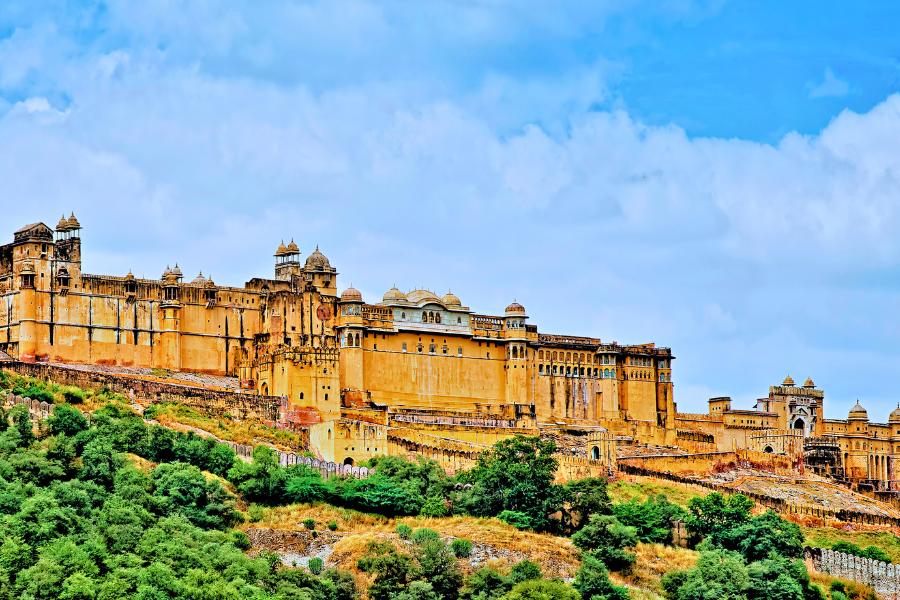
Start early by visiting Amber Fort, one of Jaipur's most iconic landmarks. Explore its magnificent courtyards, mirror palace, royal halls, and panoramic viewpoints overlooking Maota Lake.
Continue toward Jal Mahal, the picturesque Water Palace situated in the middle of Man Sagar Lake. Although visitors cannot enter the palace, it provides one of Jaipur's most photographed locations.
Next, visit the City Palace, where royal architecture, museums, courtyards, and historical artifacts offer fascinating insights into Jaipur's royal heritage.
Nearby stands Jantar Mantar, the world's largest stone astronomical observatory and a UNESCO World Heritage Site featuring remarkable scientific instruments.
End your day at Hawa Mahal, the Palace of Winds, whose iconic honeycomb façade has become Jaipur's most recognizable symbol.
While one day offers a brief introduction, many visitors leave wishing they had more time.
Why Two Days Are Ideal
For most travelers, two days represent the perfect balance between sightseeing and relaxation. A two-day Jaipur Tour allows enough time to visit the city's major attractions while also enjoying shopping, local cuisine, and cultural experiences.
Day One
Begin with Amber Fort, followed by Jaigarh Fort and Nahargarh Fort. These magnificent hill forts provide spectacular views of Jaipur while showcasing Rajasthan's impressive military architecture.
During the afternoon, stop at Jal Mahal before exploring Hawa Mahal and City Palace. Finish your evening by shopping in Johari Bazaar and Bapu Bazaar, famous for gemstones, handicrafts, textiles, leather goods, and traditional jewelry.
Day Two
Start your morning at Jantar Mantar before visiting Albert Hall Museum, one of Rajasthan's oldest museums featuring historical artifacts, paintings, sculptures, and royal collections.
Continue toward Birla Temple, a beautiful white marble temple offering peaceful surroundings and elegant architecture.
Spend your afternoon exploring local cafés, artisan workshops, or cultural centers where visitors can watch block printing, pottery making, and gemstone cutting demonstrations.
Conclude your evening with a traditional Rajasthani cultural performance accompanied by authentic local cuisine.
Three Days for a Complete Jaipur Experience
If you prefer slow travel, three days provide the ideal opportunity to fully appreciate Jaipur's history, culture, and lifestyle.
Beyond the city's famous monuments, you'll have time to visit hidden attractions such as Galtaji Temple (Monkey Temple), Sisodia Rani Garden, Panna Meena ka Kund, Kanak Vrindavan Garden, and Patrika Gate.
Photography enthusiasts particularly enjoy early morning visits to these quieter locations where beautiful lighting enhances Jaipur's vibrant architecture.
Food lovers can explore traditional eateries serving Dal Baati Churma, Laal Maas, Gatte Ki Sabzi, Kachori, Ghewar, and numerous local sweets.
A leisurely pace also allows time for luxury heritage hotels, rooftop cafés, spa treatments, and evening walks through Jaipur's illuminated historic streets.
Best Attractions Included in Every Jaipur Tour
Amber Fort
The magnificent Amber Fort remains Jaipur's most visited attraction. Built from sandstone and marble, its elaborate courtyards, Sheesh Mahal (Mirror Palace), royal apartments, and intricate carvings represent the grandeur of Rajput architecture.
Hawa Mahal
Constructed in 1799, Hawa Mahal features 953 beautifully designed windows that allowed royal women to observe street festivals while remaining unseen. Its unique pink sandstone façade has become Jaipur's most photographed monument.
City Palace
Located in the heart of Jaipur, the City Palace still serves as the residence of Jaipur's royal family. Visitors can explore museums, royal costumes, weapons, art galleries, and elegant courtyards showcasing centuries of history.
Jantar Mantar
This UNESCO World Heritage Site houses enormous astronomical instruments used to study celestial movements with remarkable accuracy long before modern technology.
Nahargarh Fort
Perched atop the Aravalli Hills, Nahargarh Fort offers breathtaking panoramic views of Jaipur, especially during sunset. It has become a favorite destination for photographers and couples.
Jaigarh Fort
Known for housing Jaivana Cannon, once considered the world's largest cannon on wheels, Jaigarh Fort showcases impressive military engineering and spectacular city views.
Shopping During Your Jaipur Tour
Shopping forms an essential part of every Jaipur visit. The city is famous worldwide for handcrafted jewelry, gemstones, blue pottery, block-printed textiles, leather products, marble handicrafts, and traditional Rajasthani souvenirs.
Johari Bazaar specializes in gemstones and fine jewelry, while Bapu Bazaar offers colorful textiles, mojari shoes, handicrafts, and souvenirs.
Tripolia Bazaar is well known for lac bangles, brassware, and traditional decorative items. Shoppers often find excellent bargains while supporting local artisans.
Best Time to Visit Jaipur
The ideal months for a Jaipur Tour are October through March. Pleasant temperatures make sightseeing comfortable while clear skies enhance photography.
Winter mornings remain cool, making monument visits enjoyable throughout the day. Festivals such as Diwali, Jaipur Literature Festival, and the Elephant Festival add unique cultural experiences during this season.
Summer temperatures between April and June often exceed 40°C. Travelers visiting during summer should begin sightseeing early, remain hydrated, and schedule indoor attractions during the afternoon.
The monsoon season transforms Jaipur into a greener destination while attracting fewer tourists and offering attractive hotel discounts.
Travel Tips for First-Time Visitors
Planning ahead significantly improves your Jaipur experience. Wear comfortable walking shoes because forts and palaces involve considerable walking.
Carry sunscreen, sunglasses, bottled water, and lightweight clothing during warmer months. Dress modestly when visiting temples and religious sites.
Booking monument tickets online saves time, especially during peak tourist seasons. Hiring licensed local guides enhances your understanding of Jaipur's fascinating history, architecture, and royal traditions.
Private taxis remain the most convenient transportation option, although auto-rickshaws and app-based cab services are widely available.
Conclusion
The ideal duration for a Jaipur Tour depends on your interests and available time. While one day allows visitors to experience Jaipur's major highlights, two days offer the perfect balance between sightseeing and relaxation. Travelers seeking a deeper cultural experience should consider spending three or even four days exploring the city's magnificent forts, royal palaces, colorful markets, traditional cuisine, and hidden attractions.
Whether you're admiring the grandeur of Amber Fort, photographing the iconic Hawa Mahal, shopping in vibrant bazaars, or enjoying authentic Rajasthani hospitality, Jaipur promises unforgettable memories. Rich history, architectural brilliance, warm hospitality, and colorful traditions make the Pink City one of India's finest travel destinations and an essential stop on every Rajasthan itinerary.
Frequently Asked Questions
1. How many days are enough for Jaipur?
Two days are ideal for covering Jaipur's major attractions comfortably, while three days allow a more relaxed and immersive experience.
2. What are the must-visit attractions in Jaipur?
Amber Fort, Hawa Mahal, City Palace, Jantar Mantar, Nahargarh Fort, Jaigarh Fort, Jal Mahal, and Albert Hall Museum are among Jaipur's top attractions.
3. What is the best time to visit Jaipur?
October to March offers the most pleasant weather for sightseeing and outdoor activities.
4. Is Jaipur suitable for family vacations?
Yes. Jaipur offers historical monuments, cultural shows, shopping, museums, heritage hotels, and family-friendly attractions suitable for all age groups.
5. What is the best way to explore Jaipur?
Private taxis, guided sightseeing tours, app-based cabs, and auto-rickshaws are convenient options for exploring Jaipur comfortably.