How Much Does a Golden Triangle Tour in India Cost?
September 11, 2026
How Much Does a Golden Triangle Tour in India Cost?
Planning a trip through Delhi, Agra, and Jaipur is one of the easiest ways to experience some of northern India's most famous attractions in a single itinerary. The route is popularly known as India's Golden Triangle because the three cities form a rough triangle on the map and offer a remarkable combination of history, architecture, culture, food, and local experiences. But before booking hotels or transportation, one question usually comes first: how much does a Golden Triangle trip actually cost?
The answer depends on how you travel. A budget traveler using trains, simple hotels, and local restaurants can complete the journey for considerably less than someone choosing luxury hotels, private transportation, and professional guides. The length of the trip also matters, with five to seven days being a popular timeframe for seeing the main attractions without constantly rushing from one city to another.
In this guide, you will find a practical breakdown of transportation, accommodation, food, sightseeing, guides, and other expenses. Rather than giving you one unrealistic price, the goal is to show you what different travel styles can cost so you can create an itinerary that fits your budget.
What Is Included in a Golden Triangle Tour?
A typical Golden Triangle Tour covers Delhi, Agra, and Jaipur, although some itineraries add destinations such as Fatehpur Sikri, Pushkar, Ranthambore, or Varanasi. A standard route often begins in Delhi, continues to Agra, and finishes in Jaipur, although you can easily travel in the opposite direction.
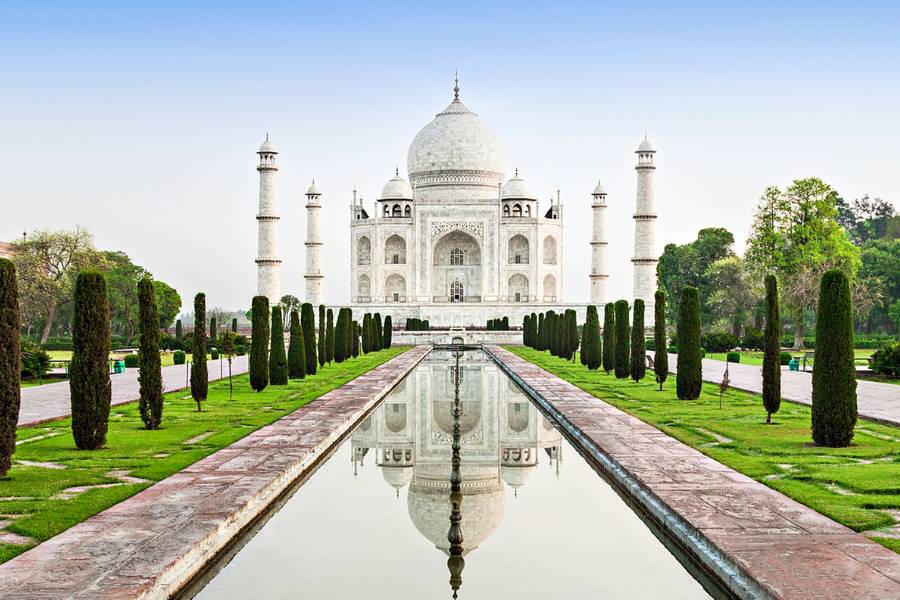
Delhi provides a fascinating introduction to India's modern and historical sides. Depending on your schedule, you can explore landmarks such as India Gate, Humayun's Tomb, Qutub Minar, the Red Fort, Jama Masjid, and the bustling markets of Old Delhi. Agra is primarily associated with the Taj Mahal but also offers Agra Fort and several other Mughal-era monuments. Jaipur completes the classic route with attractions such as Amber Fort, City Palace, Hawa Mahal, and Jantar Mantar.
The total cost depends on which experiences you include. Entrance fees, hotels, transportation, meals, guides, shopping, and optional activities can all change the final price. That is why comparing only the advertised headline price of tour packages can sometimes be misleading.
What Is the Average Cost of a Golden Triangle Tour?
For international travelers, a practical way to estimate the cost is to divide trips into three broad categories: budget, mid-range, and luxury. Prices vary by season, hotel category, group size, vehicle type, and inclusions, so these should be treated as planning ranges rather than fixed quotations.
| Travel Style | Approx. Per-Person Cost for 5–7 Days | Typical Experience |
|---|---|---|
| Budget | $250–$500 | Budget hotels, trains/buses, local restaurants |
| Mid-range | $500–$1,000 | 3–4 star hotels, private transfers, selected guides |
| Luxury | $1,200–$3,000+ | 5-star hotels, private car, premium experiences |
Approximate planning ranges; actual prices vary significantly according to dates, hotel availability, exchange rates, group size, and inclusions.
For couples or families sharing a private vehicle, the per-person transportation cost can decrease, making a private itinerary surprisingly competitive with buying individual tickets. Conversely, solo travelers may find trains and shared tours more economical.
When comparing packages, look beyond the headline number. A package that appears cheaper may exclude monument entrance fees, meals, airport transfers, guide services, or certain transportation charges. A slightly more expensive package can sometimes provide better value if it includes the services you would otherwise purchase separately.
How Much Does Transportation Cost?
Transportation is one of the biggest parts of your travel budget. The good news is that the Golden Triangle is well connected, giving you several choices.
Traveling by private car is generally the most convenient option for visitors who want door-to-door transportation. A driver can collect you from your hotel in Delhi, take you to Agra, wait or arrange transportation during sightseeing, and continue to Jaipur. The same vehicle can then be used for local sightseeing and transfers.
The price of a private car varies according to vehicle type, number of days, route, and operator. A small vehicle for two people will obviously cost less than a large premium vehicle for a family or group. Fuel, tolls, parking, driver's allowance, and interstate charges should be clarified before booking.
Trains offer another option. Delhi, Agra, and Jaipur are connected by railway services, and train travel can significantly reduce transportation expenses. However, you need to consider transfers to and from railway stations and the convenience of carrying luggage.
Buses are usually another budget-friendly alternative, although comfort and journey times vary.
How Much Should You Budget for Hotels?
Accommodation can dramatically change the total cost of your trip. Fortunately, the Golden Triangle has hotels for almost every budget.
Budget travelers can find simple guesthouses and economical hotels, while mid-range travelers can choose comfortable three- or four-star properties. Luxury travelers have access to heritage hotels, upscale international properties, and palatial accommodations, particularly in Jaipur.
| Hotel Category | Approximate Nightly Price |
|---|---|
| Budget | $15–$40 |
| Mid-range | $40–$100 |
| Upper mid-range | $100–$180 |
| Luxury | $180–$500+ |
These figures can change substantially during holidays, festivals, peak tourist periods, weekends, and special events.
Location also matters. A hotel farther from the main attractions may cost less, but the savings could be offset by additional transportation costs. For a short trip, staying somewhere convenient can be worth paying slightly more because you save valuable sightseeing time.
If you are traveling as a couple or family, compare the total room cost rather than only the price per person. A comfortable double room can sometimes provide excellent value compared with booking multiple budget rooms.
How Much Does Food Cost in India?
Food is one area where India can be remarkably affordable. You can enjoy a filling local meal for a relatively small amount, while premium restaurants at luxury hotels can cost considerably more.
Budget travelers can eat at local restaurants, cafés, and casual establishments. Mid-range travelers might mix local restaurants with more tourist-oriented cafés. Luxury travelers can enjoy hotel restaurants, fine dining, and curated culinary experiences.
A reasonable daily food budget could be:
- Budget: around $10–$20 per person
- Mid-range: around $20–$40 per person
- Luxury: $50 or more per person
These are broad estimates rather than fixed prices.
Trying local food is part of the fun. Delhi is famous for its street food and diverse cuisine, Agra is known for specialties such as petha, and Jaipur offers a wide range of Rajasthani dishes. If you have a sensitive stomach, choose reputable restaurants and be cautious with unfamiliar street food.
What About Monument Entrance Fees?
Sightseeing costs are another important consideration. The Taj Mahal, Agra Fort, Amber Fort, City Palace, Qutub Minar, Humayun's Tomb, and other major attractions charge entrance fees, and rates can differ for Indian and international visitors.
International visitors should check the official attraction websites or authorized ticketing channels shortly before traveling because ticket prices, entry procedures, and visiting rules can change.
If you are visiting several monuments, these individual fees can add up. However, compared with transportation and accommodation, sightseeing often remains a relatively manageable part of the overall budget.
Some private tour packages include monument tickets, while others do not. Always check the inclusions carefully. If tickets are excluded, calculate them separately before deciding whether a package represents good value.
Do You Need a Tour Guide?
A guide is not essential, but it can significantly improve your experience at historical monuments. Without a guide, you can certainly admire the Taj Mahal or Amber Fort, but you may miss the stories, symbolism, architectural details, and historical context that make these places truly fascinating.
Professional guides typically charge according to the city, duration, language, and type of service. Some travelers hire guides for only the most important monuments rather than paying for a guide throughout the entire trip.
This can be a smart compromise. For example, you might explore Delhi independently but hire a knowledgeable guide for the Taj Mahal and Agra Fort. In Jaipur, you could use a guide for Amber Fort and the City Palace while exploring the markets independently.
If you choose a guide, use an authorized or reputable professional. Ask about the total price beforehand and clarify whether transportation and entrance tickets are included.
How Many Days Do You Need?
A classic itinerary usually takes around 5 to 7 days, depending on how much sightseeing you want to do.
A five-day itinerary could look like this:
- Day 1: Arrive and explore Delhi
- Day 2: Delhi sightseeing
- Day 3: Travel to Agra and visit the Taj Mahal and Agra Fort
- Day 4: Travel to Jaipur and explore Jaipur
- Day 5: Jaipur sightseeing and departure
A six- or seven-day itinerary gives you more breathing room. You could spend an additional night in Delhi, explore more of Agra, or dedicate another full day to Jaipur.
Trying to cover the three cities in only three days is possible, but it will feel rushed. You will spend a significant portion of your trip in vehicles rather than actually experiencing the destinations.
For most first-time visitors, five to seven days provides a much better balance between sightseeing and relaxation.
Budget vs Mid-Range vs Luxury Travel
One of the great advantages of this route is that you can customize it around your budget.
A budget traveler might stay in economical hotels, use trains between cities, eat at affordable local restaurants, and visit attractions independently. This approach keeps costs low but requires more planning.
A mid-range traveler can choose comfortable hotels, use a private car for intercity transportation, hire guides at major monuments, and enjoy a mixture of local and international restaurants. For many couples and families, this is the sweet spot because it combines comfort with reasonable costs.
Luxury travelers can choose five-star hotels, heritage properties, private guides, premium vehicles, fine dining, spa treatments, and personalized experiences. Jaipur is particularly well known for luxury heritage accommodation, making it an excellent place to add a special experience.
The important thing is that more expensive does not automatically mean better. A well-planned mid-range trip can be more enjoyable than an expensive itinerary packed with unnecessary services.
Hidden Costs to Keep in Mind
Travel budgets often go wrong because people calculate hotels and transportation but forget the smaller expenses.
Tips for drivers, guides, and hotel staff can add up. Airport transfers, bottled water, snacks, laundry, SIM cards, shopping, and occasional taxi rides also need to be considered.
Shopping deserves particular attention. India's markets are full of beautiful textiles, jewelry, handicrafts, marble products, carpets, leather goods, and souvenirs. It is easy to spend more than planned when something catches your eye.
Travel insurance is another cost worth including in your overall budget. Medical emergencies, cancellations, lost luggage, and unexpected travel interruptions can become expensive without appropriate coverage.
Foreign travelers should also check their bank's international transaction fees and ATM charges. Carrying some local currency is useful, but avoid carrying unnecessarily large amounts of cash.
How Can You Save Money on Your Trip?
You do not need to sacrifice the quality of your experience to reduce costs. The first strategy is to travel during less busy periods when hotel prices can be lower.
Booking accommodation in advance can also help, particularly if you are traveling during popular seasons. Compare several properties rather than automatically choosing the cheapest one.
Transportation is another area where you can save. If you are traveling with several people, compare the total cost of a private car against individual train or bus tickets. Sometimes a private vehicle becomes surprisingly economical when the cost is shared.
You can also save money by mixing paid experiences with free sightseeing. Walking through local markets, exploring historic neighborhoods, and enjoying city views can be just as memorable as visiting another ticketed attraction.
Finally, avoid choosing a package simply because it has the lowest advertised price. Look at what is included and calculate the complete cost.
Is a Golden Triangle Tour Worth the Money?
For many travelers, the answer is yes. The route brings together three cities with completely different identities, giving you an unusually broad introduction to India's history and culture.
Delhi provides a mix of ancient monuments and modern urban life. Agra offers some of the world's most recognizable Mughal architecture. Jaipur introduces you to Rajput heritage, colorful markets, royal palaces, and the distinctive culture of Rajasthan.
The value becomes even clearer when you consider how much variety you experience in a relatively short period. You can photograph the Taj Mahal at sunrise, walk through a historic fort, eat traditional food, explore colorful bazaars, and learn about centuries of Indian history within a single itinerary.
A carefully planned Golden Triangle Tour can therefore offer excellent value, particularly when you choose transportation and accommodation that match your priorities.
Sample Budget for a 6-Day Trip
For a six-day trip, a mid-range traveler could roughly budget as follows:
| Expense | Estimated Cost Per Person |
|---|---|
| Mid-range hotels | $200–$400 |
| Intercity/private transportation | $100–$250 |
| Food | $120–$240 |
| Monument tickets | $50–$100 |
| Guides/local transport | $50–$150 |
| Miscellaneous | $50–$100 |
| Estimated Total | $570–$1,240 |
These numbers are planning estimates rather than fixed market prices. Your actual cost could be lower or substantially higher depending on travel dates, hotel choices, exchange rates, group size, and the level of service selected.
For an accurate quote, you should compare current hotel rates, transportation offers, and attraction fees for your exact travel dates.
Final Thoughts
The cost of a trip through Delhi, Agra, and Jaipur can be surprisingly flexible. Budget travelers can keep expenses relatively low by using economical accommodation, public transportation, and local restaurants, while travelers seeking comfort can choose private cars and mid-range hotels without necessarily spending a fortune.
Luxury travelers have almost unlimited opportunities to upgrade the experience, from heritage hotels and private guides to premium transportation and fine dining. The important thing is to decide what matters most to you before booking.
A well-planned Golden Triangle Tour does not have to be expensive to be memorable. Set a realistic daily budget, compare package inclusions carefully, reserve accommodation according to your priorities, and leave some money for unexpected experiences. When you balance comfort, convenience, and cost, Delhi, Agra, and Jaipur can form one of the most rewarding travel itineraries in India.
Frequently Asked Questions
What is the average cost of a Golden Triangle trip?
A five- to seven-day trip can range from roughly $250 to $500 for budget travel, $500 to $1,000 for mid-range travel, and $1,200 or more for luxury travel. Actual prices depend on accommodation, transportation, season, group size, and included services.
Is a private car expensive for the Golden Triangle?
A private car costs more than traveling by public transportation, but it offers door-to-door convenience and flexibility. For couples, families, or groups sharing the vehicle, the per-person cost can be quite reasonable.
How many days are ideal for the Golden Triangle?
Five to seven days is a good timeframe for first-time visitors. It allows enough time to explore Delhi, Agra, and Jaipur without making every day feel like a race.
Are monument tickets included in tour packages?
It depends on the package. Some operators include monument entrance fees, while others charge them separately. Always check the inclusions before booking.
Can I do the Golden Triangle on a budget?
Yes. India offers a wide range of affordable accommodation, restaurants, and transportation options. Traveling by train, staying in budget hotels, and using local restaurants can significantly reduce your overall expenses.
What is the most expensive part of the trip?
Accommodation and private transportation are usually among the largest expenses. Luxury hotels and private vehicles can increase the total cost substantially, while monument tickets and local food are generally smaller components of the budget.
Is it cheaper to book a tour package or plan independently?
There is no universal answer. Independent travel can be cheaper if you are comfortable arranging transportation and accommodation yourself, while a package can provide better convenience and value when transportation, hotels, guides, and sightseeing are bundled together.
What should I budget for shopping?
There is no fixed amount because shopping preferences vary enormously. Set a separate shopping budget so souvenirs and handicrafts do not unexpectedly increase your travel expenses.