How to Plan a Golden Triangle Tour in India for First-Time Visitors?
September 1, 2026
How to Plan a Golden Triangle Tour in India for First-Time Visitors?
Planning your first trip to India can feel a little overwhelming. The country is enormous, culturally diverse, and packed with historic cities, colorful markets, ancient temples, impressive forts, and unforgettable food. If you try to see too much during your first visit, you can easily spend more time sitting in traffic or checking into hotels than actually enjoying your holiday. That is why the Golden Triangle Tour is such a popular choice for first-time travelers. The classic route connects Delhi, Agra, and Jaipur, giving you an introduction to India's history, architecture, cuisine, markets, and everyday life within one manageable itinerary. Delhi provides the energetic capital-city experience, Agra introduces you to the magnificent Taj Mahal and Mughal heritage, while Jaipur brings royal Rajasthan to life through grand palaces, forts, handicrafts, and colorful bazaars. The route is also relatively straightforward to organize because the three cities are connected by roads and railways. With sensible planning, you can experience famous landmarks while still leaving enough time for relaxed meals, shopping, photography, and spontaneous discoveries. The key is not simply deciding where to go, but understanding how long to stay, when to travel, where to sleep, how to move between cities, and what practical details can make your journey smoother.
What Is the Golden Triangle of India?
The Golden Triangle is one of India's best-known tourist circuits, formed by the three cities of Delhi, Agra, and Jaipur. On a map, these destinations create a rough triangle across northern India, and together they showcase several important chapters of the country's history. Delhi combines ancient monuments with a modern metropolitan atmosphere, Agra is closely associated with Mughal architecture and the Taj Mahal, and Jaipur reflects the royal traditions of Rajasthan. The appeal of this route is its variety. One morning you can be standing beside a centuries-old Mughal monument, and a day later you can be walking through a colorful Rajasthani market surrounded by textiles, jewelry, and traditional crafts. For someone visiting India for the first time, that contrast is incredibly valuable because it gives you a broad cultural introduction without requiring a complicated domestic travel schedule. The journey also offers plenty of flexibility. You can make it a four- or five-day trip if your schedule is tight, or stretch it to seven, eight, or more days if you prefer a slower pace. You can travel independently, hire a private car and driver, or combine trains with local transportation. There is no single correct way to experience the circuit; the best version is the one that matches your budget, interests, and tolerance for travel time.
Delhi, Agra, and Jaipur at a Glance
Delhi is usually the starting point because it is home to major international transport connections and offers a fascinating introduction to India's past and present. First-time visitors can explore landmarks such as the Red Fort, India Gate, Qutub Minar, Humayun's Tomb, and Jama Masjid, while neighborhoods such as Old Delhi provide an entirely different atmosphere. Delhi can be chaotic, but that energy is part of its personality. Give yourself enough time to settle in rather than immediately filling every hour with sightseeing.
Agra is smaller than Delhi and Jaipur but has enormous historical importance. The Taj Mahal is unquestionably its star attraction, yet it should not be the only item on your itinerary. Agra Fort is another major architectural masterpiece, and places such as Mehtab Bagh can provide a different perspective of the Taj Mahal. Spending at least one night in Agra is generally more comfortable than trying to squeeze every sight into a rushed day trip.
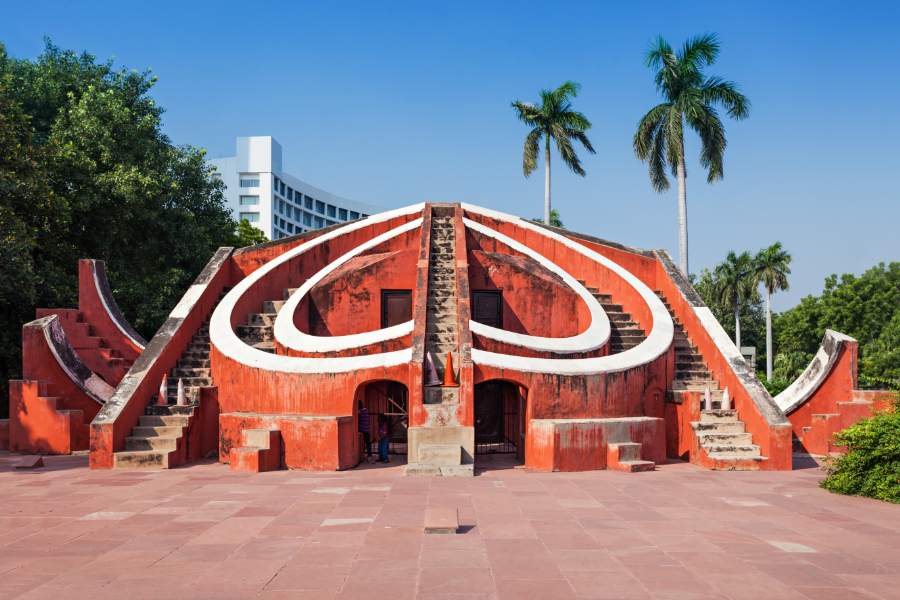
Jaipur, the capital of Rajasthan, completes the classic route. The city is famous for its pink-toned historic architecture, royal palaces, forts, jewelry, textiles, handicrafts, and vibrant bazaars. The Amber Fort, City Palace, Hawa Mahal, and Jantar Mantar are among its major attractions. Jaipur also rewards travelers who enjoy simply wandering, shopping, trying local food, and observing daily life rather than moving from monument to monument.
How Many Days Do You Need?
For a first visit, six to seven days is a particularly comfortable timeframe. It gives you enough room for the major attractions without turning the entire holiday into a checklist. A common seven-day arrangement is two days in Delhi, one night in Agra, and two or three days in Jaipur, with travel time built into the schedule. If you only have four or five days, you can still complete the route, but you will need to be selective. Trying to see every major monument in every city during a short trip is rarely satisfying. Think of your itinerary like a good meal: adding more dishes does not necessarily make the experience better if you have no time to enjoy any of them.
A longer itinerary of eight to ten days allows you to add experiences around the main route. You might spend additional time exploring Old Delhi, visit Fatehpur Sikri between Agra and Jaipur, or take a relaxed approach to Jaipur's markets and heritage sites. You could also include cultural experiences such as a cooking class, a guided food walk, traditional handicraft shopping, or a village excursion. The important thing is to protect some free time. India can be stimulating, and first-time visitors often underestimate how tiring sightseeing can become in busy urban environments. One unplanned afternoon for coffee, a leisurely lunch, shopping, or simply relaxing at your hotel can make the entire trip feel considerably more enjoyable.
When Is the Best Time to Visit?
The best season for exploring northern India's Golden Triangle is generally the cooler period from around October through March, although conditions vary between months and destinations. Autumn and winter tend to be more comfortable for extensive sightseeing than the hottest part of the year. December and January can bring chilly mornings and evenings, especially in Delhi and Agra, and winter conditions can sometimes affect visibility. By February and March, daytime temperatures become warmer while outdoor sightseeing can still be pleasant.
The summer months can be extremely hot, particularly during May and June, when daytime temperatures may make long visits to forts and monuments uncomfortable. The monsoon period brings rain and higher humidity, but it also changes the appearance of the landscape and can offer a different travel experience. There is no universal "perfect" month because weather preferences differ from traveler to traveler. If you dislike crowds, for example, you may prefer shoulder periods over the busiest travel weeks. Before booking flights, check current weather forecasts and local conditions rather than relying only on general seasonal averages.
How to Build Your First-Time Itinerary
A successful itinerary balances sightseeing, transportation, meals, and downtime. Start by identifying the experiences you absolutely do not want to miss, then arrange the route around them. Avoid scheduling major attractions in every hour of every day because unexpected delays are common when traveling between busy Indian cities. Your itinerary should have enough flexibility to absorb traffic, queues, weather changes, or the simple desire to spend longer somewhere fascinating.
Days 1–2: Exploring Delhi
Give Delhi at least two days if your schedule permits. On your first day, concentrate on a manageable group of attractions instead of attempting to cross the entire city. Depending on your interests, you might visit Humayun's Tomb, India Gate, Qutub Minar, and the Red Fort, while leaving time for a relaxed dinner. A guided tour can be particularly helpful during your first day because a knowledgeable local guide can explain historical context and help you navigate busy areas.
Your second day can focus more heavily on Old Delhi and local culture. The area around Jama Masjid and Chandni Chowk is full of food stalls, shops, narrow lanes, and historic buildings. It can be intense, but it gives you an opportunity to see a side of Delhi that polished tourist attractions cannot fully represent. Keep your valuables secure, wear comfortable footwear, carry drinking water, and avoid overloading your schedule. Delhi is a city that becomes easier to appreciate once you stop trying to understand everything at once.
Day 3: Delhi to Agra
The journey from Delhi to Agra is relatively straightforward, making Agra an obvious second stop. Depending on your preferred travel style, you can travel by train, private vehicle, or another suitable transportation option. If you arrive early enough, spend the afternoon visiting Agra Fort before reserving your most memorable experience for the Taj Mahal.
For many travelers, sunrise at the Taj Mahal is worth the early alarm. The softer morning light can create beautiful photographic conditions, and an early visit may also help you avoid some of the day's heat and crowds. Check current visitor rules, opening days, ticket information, and entry requirements close to your travel date because policies can change. After seeing the Taj Mahal, avoid immediately rushing to another city if your schedule allows. Enjoy breakfast, explore another local attraction, or simply take a break before continuing your journey.
Day 4: Agra to Jaipur
The journey from Agra toward Jaipur can be treated as part of the sightseeing experience rather than simply a transfer between hotels. Fatehpur Sikri, the historic Mughal-era city located near Agra, is a popular stop when traveling by road. Its grand gateways, courtyards, palaces, and red sandstone architecture offer an interesting addition to the route.
Once you reach Jaipur, give yourself time to settle into the city's atmosphere. Instead of immediately racing toward another monument, consider exploring a local market in the evening or enjoying a traditional Rajasthani meal. Jaipur is particularly enjoyable after sunset, when illuminated heritage buildings and lively markets create a different atmosphere from daytime sightseeing.
Where Should You Stay?
Choosing accommodation can significantly influence your experience. In Delhi, look for a hotel with convenient access to the attractions and transportation options you plan to use rather than selecting a property solely because it is inexpensive. Jaipur offers everything from heritage hotels and luxury properties to budget guesthouses, while Agra has accommodation across a similarly broad price range.
For first-time visitors, location, cleanliness, security, reliable reviews, and transportation access should generally matter more than having the largest room. A beautiful hotel located far from your planned activities may save money on the nightly rate but cost you additional time and transportation expenses. Read recent guest reviews before booking, particularly comments concerning cleanliness, noise, staff service, and the accuracy of advertised facilities. Booking accommodation with flexible cancellation policies can also provide useful protection if your travel plans change.
How to Travel Between the Cities
Transportation is one of the easiest parts of the circuit because Delhi, Agra, and Jaipur have established road and rail connections. Trains can be a convenient option for travelers who want to reduce road time, while a private car with a driver offers flexibility for sightseeing stops. A car can be particularly useful if you want to include places such as Fatehpur Sikri or other attractions along the route.
Within the cities, use reputable taxi services, app-based transportation where available, hotel-arranged cars, or licensed local guides. Auto-rickshaws can be an enjoyable way to travel short distances, but agree on the fare beforehand when a meter or app-based fare is not being used. Don't underestimate traffic. A distance that looks short on a map can take considerably longer at busy times, so leave generous buffers around airport, train, and sightseeing schedules.
What Should You Pack and Prepare?
Packing for the trip does not need to be complicated. Comfortable shoes should be near the top of your list because you will likely spend substantial amounts of time walking around monuments, markets, forts, and uneven streets. Lightweight clothing works well during warm periods, while layers are useful during cooler months. When visiting religious sites, modest clothing that covers the shoulders and knees is a practical choice.
Bring essential travel documents, prescribed medication, basic toiletries, a power adapter suitable for your devices, and a reliable way to access money. Keep digital and physical copies of important documents separately. Travel insurance can also provide useful protection against unexpected medical issues, cancellations, or baggage problems.
Staying connected is another consideration. Depending on your home country and phone plan, an international roaming package or local SIM/eSIM may be convenient. Download offline maps and important reservation details before leaving reliable Wi-Fi. A little preparation here can save you from standing outside a railway station trying to find your hotel with a weak internet connection.
What Should You Eat Along the Way?
Food is one of the great pleasures of traveling through northern India. Each city gives you opportunities to try regional specialties, street snacks, sweets, and restaurant dishes. In Delhi, consider exploring foods such as butter chicken, chole bhature, kebabs, parathas, and chaat. Agra is known for its Mughlai influences and its famous petha sweet, while Jaipur offers Rajasthani dishes such as dal baati churma, gatte ki sabzi, and laal maas.
First-time visitors should be sensible about street food, especially during the first few days while their stomach adjusts to new ingredients and spices. Choose busy vendors where food is being prepared fresh and where there is a strong local customer flow. Drink sealed bottled water or use a trusted filtered source, and be cautious about raw foods if hygiene conditions are uncertain. You do not need to avoid Indian food to stay healthy; you simply need to choose establishments carefully and listen to your body.
Common Mistakes First-Time Visitors Should Avoid
One of the biggest mistakes is trying to do too much. A schedule that looks impressive on paper can become exhausting in reality. You are not collecting stamps in a passport; you are experiencing places. Leave room for delays and for the moments that cannot be scheduled, such as discovering a small handicraft shop, enjoying a long conversation with a guide, or finding a restaurant you unexpectedly love.
Another mistake is failing to research monument opening days and current ticket arrangements. Some attractions have weekly closures, special entry rules, or changing schedules. Verify official information before you travel and again shortly before visiting.
It is also wise to be cautious about unsolicited guides, aggressive vendors, and unofficial transportation offers. You do not need to be suspicious of everyone, but you should remain aware of your surroundings and use established services whenever practical. Keep your phone, passport, wallet, and other valuables secure, especially in crowded markets and transport hubs.
How Much Does the Trip Cost?
There is no single price for an Indian Golden Triangle holiday because costs vary dramatically depending on your accommodation, transportation, dining choices, activities, and travel dates. Budget travelers can use economical hotels and trains, while travelers seeking convenience can choose private cars, boutique hotels, heritage properties, and private guides.
| Travel Style | Typical Approach | Main Characteristics |
|---|---|---|
| Budget | Hostels, guesthouses, public transport | Lower daily costs and more independent planning |
| Mid-range | Comfortable hotels, trains or private transfers | Balance of convenience and value |
| Premium | Luxury hotels, private vehicle and guide | Greater comfort, flexibility, and personalized service |
Rather than setting one fixed budget based on an online estimate, calculate your expected costs by category: accommodation, intercity transportation, local transportation, entrance tickets, food, shopping, guides, and contingency money. Add a buffer for unexpected expenses. This approach gives you much more control than simply choosing a package based on its headline price.
How to Make the Trip More Enjoyable
The best Golden Triangle Tour is not necessarily the one with the largest number of attractions. It is the one that gives you enough time to understand the places you visit. Wake up early for important monuments, but don't feel obligated to start every day before sunrise. Eat local food, talk to residents respectfully, learn a few simple Hindi expressions, and spend time exploring beyond the most famous landmarks.
A good guide can add considerable value, particularly in Delhi, Agra, and Jaipur, where architecture is closely connected to complex histories. Instead of merely telling you when a building was constructed, a good guide can explain why it mattered, who lived there, how it was used, and what details you might otherwise overlook. If photography is important to you, research viewpoints and visiting hours in advance.
You should also keep your expectations realistic. India can be noisy, crowded, colorful, messy, generous, frustrating, fascinating, and wonderfully surprising—sometimes all within the same hour. That's not a flaw in the journey; it is part of what makes traveling there memorable. Approach the experience with curiosity rather than expecting everything to operate exactly as it does at home.
Why Choose a Well-Planned Golden Triangle Itinerary?
A well-planned Golden Triangle Tour allows first-time visitors to experience India's most recognizable attractions while keeping the journey relatively simple. The route offers an excellent mixture of historical sightseeing, cultural experiences, local cuisine, shopping, photography, and leisure. Instead of spending days traveling long distances between unrelated destinations, you can move through three highly distinctive cities that are connected by established transportation routes.
Planning ahead also gives you more control over your travel experience. You can decide whether you want to prioritize luxury accommodation, cultural activities, private transportation, local markets, architectural photography, or food experiences. Families can build in additional breaks, couples can include romantic experiences, and solo travelers can choose guided sightseeing where they want extra assistance. The route is flexible enough to accommodate different travel styles while still delivering the iconic highlights that many first-time visitors hope to see.
Conclusion
Planning a first trip through Delhi, Agra, and Jaipur becomes much easier when you focus on pace, practical logistics, and meaningful experiences rather than trying to see everything. Give yourself around six or seven days when possible, travel during a comfortable season, reserve reliable accommodation, and research transportation before arriving. Spend enough time in each city to experience its personality: Delhi's historic-meets-modern energy, Agra's extraordinary Mughal heritage, and Jaipur's royal Rajasthani character.
The Golden Triangle Tour works particularly well for first-time visitors because it combines iconic attractions with a relatively manageable travel route. With sensible preparation, you can see the Taj Mahal at sunrise, explore historic Delhi, wander through Jaipur's bazaars, sample regional cuisine, and still have moments to slow down and appreciate the journey. Plan the essentials in advance, but leave enough flexibility for India to surprise you. Sometimes the unplanned moments become the stories you remember longest.
FAQs
1. How many days are ideal for a first Golden Triangle trip?
Around six to seven days is a comfortable starting point for most first-time visitors. This provides enough time for Delhi, Agra, and Jaipur without making every day feel rushed. Travelers with only four or five days can still complete the route but should prioritize their must-see attractions.
2. Which city should I visit first?
Delhi is the most common starting point because of its international connectivity. From Delhi, you can continue to Agra and then Jaipur, creating a logical route without unnecessary backtracking. However, the route can be reversed if your flights or personal plans make that more convenient.
3. Is the route suitable for families traveling with children?
Yes. Families can enjoy forts, palaces, monuments, markets, and food experiences throughout the route. The key is to avoid overloading the itinerary and to include regular breaks, comfortable transportation, and family-friendly accommodation.
4. Should I book a private car or travel by train?
Both options can work well. Trains can be efficient and economical, while a private car provides greater flexibility and makes sightseeing stops between cities easier. Your choice should depend on your budget, preferred comfort level, and how much independence you want during the journey.
5. Is one day enough for Agra?
One full day can cover the Taj Mahal and Agra Fort, particularly if you arrive early and plan efficiently. However, staying overnight is usually more relaxing and allows you to experience the Taj Mahal without treating Agra as a rushed stop between Delhi and Jaipur.