India Heritage Tour Package
July 13, 2026
India Heritage Tour Package: Explore the Rich Cultural Legacy of Incredible India
India is a country where every monument tells a story, every city preserves centuries of history, and every journey offers a glimpse into one of the world's oldest civilizations. From majestic forts and royal palaces to ancient temples, colonial landmarks, and UNESCO World Heritage Sites, India's cultural heritage is unmatched. Choosing an India Heritage Tour Package is one of the best ways to discover the country's historical treasures while experiencing its vibrant traditions, diverse cultures, and warm hospitality. Whether you are a history enthusiast, a family traveler, a couple seeking memorable experiences, or an international visitor eager to explore India's timeless beauty, a heritage tour promises an unforgettable adventure.
An India Heritage Tour Package is carefully designed to showcase the nation's most iconic historical destinations while ensuring a comfortable and well-organized travel experience. Instead of spending hours planning transportation, accommodations, and sightseeing schedules, travelers can enjoy a seamless itinerary that covers famous monuments, cultural attractions, and hidden gems. Most packages include hotel stays, guided sightseeing tours, transportation, airport transfers, and experienced tour guides who share fascinating stories behind every destination. These thoughtfully curated itineraries allow visitors to immerse themselves in India's glorious past while enjoying the convenience of modern travel.
Why Choose an India Heritage Tour Package?
India's history spans more than five thousand years, making it one of the richest cultural landscapes in the world. Every region has developed its own traditions, architecture, languages, cuisine, and artistic expressions, creating an extraordinary travel experience unlike any other. A heritage tour allows travelers to explore the country's diversity through carefully selected destinations that represent different dynasties, religions, and architectural styles.
One of the greatest advantages of choosing an India Heritage Tour Package is the opportunity to visit multiple historic cities in a single journey. Instead of focusing on just one destination, travelers can experience the grandeur of Mughal architecture in Agra, the royal heritage of Rajasthan, the colonial charm of Kolkata, the spiritual atmosphere of Varanasi, and the magnificent temple architecture of South India. Every destination contributes a unique chapter to India's remarkable history.
Professional guides also play a significant role in enhancing the experience. Rather than simply viewing monuments, visitors gain deeper insights into historical events, legendary rulers, architectural innovations, and cultural traditions. These stories transform ancient buildings into living symbols of India's glorious past, making the journey educational as well as inspiring.
Discover the Golden Triangle Heritage Circuit
The Golden Triangle is undoubtedly India's most popular heritage travel route. Covering Delhi, Agra, and Jaipur, this classic itinerary offers an excellent introduction to the country's history, architecture, and culture. Each city has its own distinctive character while collectively representing the grandeur of medieval and Mughal India.
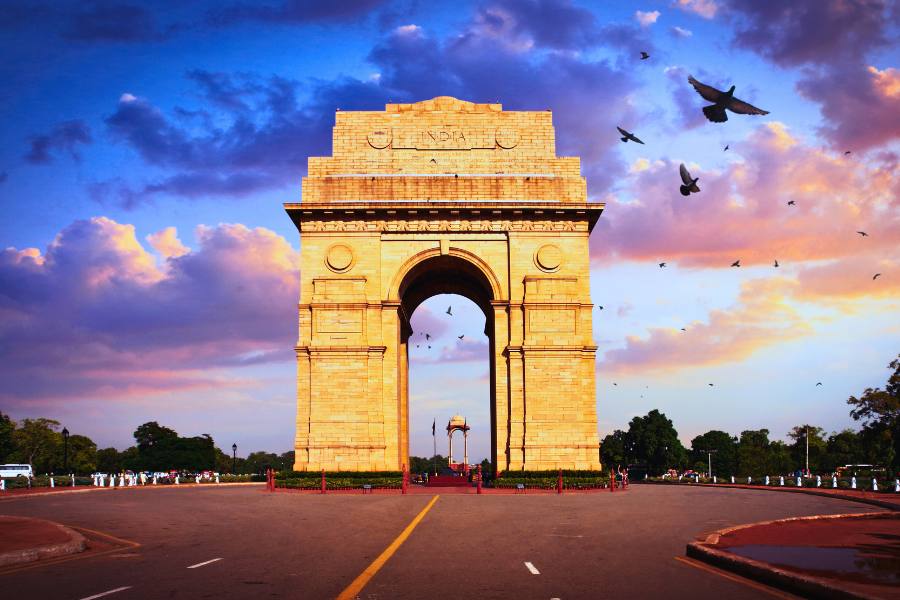
Delhi serves as the nation's capital and showcases an incredible blend of ancient heritage and modern development. Travelers can explore magnificent landmarks such as the Red Fort, Qutub Minar, Humayun's Tomb, Jama Masjid, Raj Ghat, and India Gate. Walking through the bustling lanes of Old Delhi provides an authentic glimpse into the city's rich cultural traditions, vibrant markets, and legendary street food.
Agra is home to the world-famous Taj Mahal, a timeless symbol of love and one of the most admired monuments ever built. Constructed by Emperor Shah Jahan in memory of Mumtaz Mahal, this white marble masterpiece attracts millions of visitors every year. Besides the Taj Mahal, Agra also offers remarkable attractions including Agra Fort, Itmad-ud-Daulah's Tomb, and Mehtab Bagh, each reflecting the artistic excellence of the Mughal Empire.
Jaipur, known as the Pink City, introduces travelers to Rajasthan's royal heritage. Magnificent forts, colorful bazaars, elegant palaces, and vibrant cultural traditions make Jaipur one of India's most fascinating destinations. Visitors can explore Amber Fort, City Palace, Hawa Mahal, Nahargarh Fort, Jaigarh Fort, and Jantar Mantar while enjoying traditional Rajasthani cuisine and folk performances.
Rajasthan: The Land of Kings
No India Heritage Tour Package is complete without exploring Rajasthan, a state renowned for its magnificent forts, luxurious palaces, colorful festivals, and heroic history. Every city in Rajasthan reflects centuries of royal traditions that continue to captivate visitors from around the world.
Udaipur, often called the City of Lakes, enchants travelers with its romantic atmosphere, beautiful palaces, and peaceful lakes. The City Palace overlooking Lake Pichola stands as one of India's finest examples of Rajput architecture. Boat rides across the lake provide breathtaking views of heritage hotels, ancient temples, and surrounding hills.
Jodhpur, famously known as the Blue City, is dominated by the impressive Mehrangarh Fort, one of the largest forts in India. Inside the fort, visitors discover royal courtyards, museums, historic weapons, intricate carvings, and panoramic views of the blue-painted houses below. The city's vibrant markets are perfect for shopping traditional handicrafts, textiles, spices, and antiques.
Jaisalmer, located in the heart of the Thar Desert, offers a completely different heritage experience. Its magnificent Golden Fort rises dramatically from the desert landscape, housing centuries-old temples, narrow streets, traditional homes, and artisan shops. Camel safaris across the sand dunes and cultural evenings featuring folk music and dance further enhance the magical experience.
UNESCO World Heritage Sites Worth Exploring
India proudly boasts dozens of UNESCO World Heritage Sites, many of which are included in heritage tour packages. These sites preserve outstanding examples of architecture, history, religion, and cultural achievement.
The Taj Mahal remains India's most iconic World Heritage Site and continues to inspire admiration with its perfect symmetry and breathtaking beauty. Nearby Agra Fort demonstrates the military strength and artistic vision of the Mughal rulers through its massive red sandstone walls and elegant palaces.
Fatehpur Sikri, once the capital of Emperor Akbar, showcases remarkable Mughal planning and architecture. Although abandoned due to water shortages, the city's mosques, palaces, and audience halls remain exceptionally well preserved.
Khajuraho Group of Monuments in Madhya Pradesh represents one of India's greatest artistic achievements. Famous for their intricate stone carvings depicting mythology, spirituality, and daily life, these temples continue to fascinate historians and travelers alike.
The Sun Temple at Konark in Odisha resembles a colossal stone chariot dedicated to the Sun God. Its detailed sculptures, engineering brilliance, and symbolic design make it one of India's most remarkable architectural masterpieces.
In Karnataka, Hampi preserves the ruins of the once-powerful Vijayanagara Empire. Massive temples, royal enclosures, ancient markets, and giant boulders create a spectacular landscape that transports visitors back to medieval India.
Experience India's Living Heritage
India's heritage extends far beyond monuments and historical buildings. The country's living traditions continue to flourish through festivals, music, dance, handicrafts, cuisine, and local customs that have been passed down through generations. Every heritage destination offers opportunities to experience authentic Indian culture firsthand.
Visitors can watch classical dance performances such as Bharatanatyam and Kathak, listen to traditional folk music, participate in local festivals, and interact with skilled artisans who create handwoven textiles, pottery, jewelry, miniature paintings, and marble inlay work using techniques preserved for centuries. These cultural encounters provide a deeper understanding of India's extraordinary diversity and artistic excellence.
Food also forms an essential part of India's heritage. Every region introduces travelers to unique flavors and culinary traditions. From rich Mughlai dishes in Agra and Delhi to spicy Rajasthani specialties, aromatic South Indian cuisine, Bengali sweets, and Gujarati delicacies, every meal becomes a memorable part of the journey. Exploring local markets and tasting regional specialties allows visitors to connect with India's heritage through its incredible culinary diversity.
Explore the Spiritual Heritage of India
India's heritage is deeply intertwined with spirituality, making it one of the world's most significant religious destinations. For thousands of years, people have traveled across the country in search of peace, enlightenment, and cultural understanding. An India Heritage Tour Package often includes visits to sacred cities and ancient temples that reflect the country's remarkable spiritual traditions. These destinations offer travelers a unique opportunity to witness rituals, festivals, and customs that have remained unchanged for centuries.
Varanasi, located on the banks of the holy River Ganges, is one of the oldest continuously inhabited cities in the world. The city's ancient ghats, narrow lanes, and magnificent temples create an atmosphere unlike anywhere else. Every evening, thousands of pilgrims and tourists gather to witness the spectacular Ganga Aarti ceremony, where priests perform synchronized rituals using lamps, incense, and sacred chants. Watching this spiritual celebration provides a profound insight into India's religious heritage and timeless traditions.
Another remarkable destination is Amritsar, home to the Golden Temple, the holiest shrine of Sikhism. The temple's stunning golden architecture, peaceful surroundings, and community kitchen, which serves free meals to thousands of visitors daily, reflect the values of equality, compassion, and selfless service. In Bodh Gaya, travelers can visit the sacred site where Lord Buddha attained enlightenment beneath the Bodhi Tree. These destinations demonstrate that India's heritage is not limited to historical monuments but also encompasses centuries-old beliefs and spiritual practices that continue to inspire millions of people worldwide.
South India's Architectural Masterpieces
While North India is celebrated for its Mughal monuments and royal forts, South India presents an equally fascinating heritage through its magnificent temples, ancient cities, and remarkable stone architecture. Heritage tours that include southern destinations introduce travelers to a completely different chapter of Indian history.
Tamil Nadu is home to some of the country's most impressive temple complexes. The Brihadeeswarar Temple in Thanjavur, built by the Chola dynasty over a thousand years ago, remains one of the greatest engineering achievements of ancient India. Its towering vimana, intricate carvings, and artistic sculptures continue to amaze historians and architects alike.
Mahabalipuram, situated along the Bay of Bengal, showcases extraordinary rock-cut temples and monuments that date back to the Pallava dynasty. The famous Shore Temple, standing gracefully beside the sea, attracts visitors from around the globe. Karnataka's historic city of Hampi preserves the glorious ruins of the Vijayanagara Empire, featuring magnificent temples, royal complexes, markets, and giant stone boulders that create an unforgettable landscape.
Kerala also contributes significantly to India's cultural heritage through its traditional architecture, centuries-old churches, Jewish synagogues, and spice trading history. The colonial town of Kochi beautifully blends Portuguese, Dutch, and British influences, offering travelers a fascinating journey through multiple eras of history.
Heritage Festivals That Bring History to Life
India's festivals play an essential role in preserving its cultural identity. Every region celebrates unique events that reflect local traditions, mythology, and historical achievements. Planning a heritage tour during one of these festivals allows travelers to experience India's living culture in its most vibrant form.
The Pushkar Camel Fair in Rajasthan combines livestock trading with colorful cultural performances, traditional competitions, and handicraft exhibitions. Jaipur Literature Festival attracts writers, historians, and intellectuals from around the world, creating a remarkable blend of literature and heritage.
During Diwali, India's Festival of Lights, historical monuments, homes, and streets glow with thousands of lamps and decorative lights. Holi, the Festival of Colors, transforms cities into lively celebrations filled with music, dance, and joyful gatherings. Durga Puja in Kolkata showcases elaborate artistic decorations and cultural performances that highlight Bengal's rich traditions.
Experiencing these festivals allows travelers to appreciate India's heritage beyond museums and monuments. They witness communities preserving customs that have been celebrated for generations while welcoming visitors into their colorful traditions.
Traditional Arts, Crafts, and Local Markets
No heritage journey is complete without exploring India's extraordinary artistic traditions. Across the country, skilled artisans continue practicing crafts passed down through generations. Their work represents centuries of creativity, craftsmanship, and cultural identity.
Agra is renowned for marble inlay work inspired by the Taj Mahal, while Jaipur specializes in gemstone jewelry, blue pottery, and block-printed textiles. Kashmir is famous for luxurious Pashmina shawls and hand-knotted carpets, whereas Gujarat offers vibrant embroidery and mirror work that reflect the state's colorful culture.
Travelers visiting Varanasi often purchase exquisite silk sarees woven using traditional techniques. In Rajasthan, leather goods, miniature paintings, and handcrafted souvenirs showcase remarkable artistic skills. Supporting local artisans not only provides meaningful souvenirs but also helps preserve India's cultural heritage for future generations.
Markets themselves are part of the heritage experience. Walking through bustling bazaars filled with spices, fabrics, jewelry, antiques, and handcrafted products offers visitors a glimpse into everyday life while connecting them with centuries-old trading traditions.
Best Time to Book an India Heritage Tour Package
Choosing the right season significantly enhances the travel experience. The ideal period for exploring India's heritage destinations is from October to March, when temperatures remain comfortable across most regions. Pleasant weather allows travelers to spend extended hours exploring monuments, forts, temples, and outdoor attractions without discomfort.
Winter is particularly suitable for visiting Rajasthan, Delhi, Agra, Varanasi, and Madhya Pradesh. The cooler climate creates ideal conditions for sightseeing and photography. Early morning visits to iconic landmarks such as the Taj Mahal provide beautiful lighting and fewer crowds, allowing visitors to fully appreciate their architectural beauty.
Summer months can be quite warm in northern India, although hill stations and southern destinations remain attractive alternatives. The monsoon season transforms landscapes into lush green scenery, offering unique photographic opportunities despite occasional rainfall. Travelers should choose their itinerary according to their interests and preferred weather conditions.
Tips for Planning a Heritage Tour
Planning ahead ensures a smooth and rewarding heritage journey. Booking accommodations and transportation in advance is highly recommended, particularly during the peak tourist season. Comfortable walking shoes are essential because many historical sites require extensive exploration on foot.
Hiring experienced local guides greatly enriches the travel experience. Their knowledge of history, architecture, and cultural traditions helps visitors understand the significance of each monument beyond its physical appearance. Respecting local customs, dressing modestly at religious sites, and following photography guidelines also contribute to a positive travel experience.
Travel insurance, keeping digital copies of important documents, staying hydrated, and carrying sunscreen are additional precautions that ensure a comfortable trip. Responsible tourism practices, including avoiding littering and respecting heritage monuments, help preserve these priceless sites for future generations.
Why an India Heritage Tour Package Is Worth Every Moment
An India Heritage Tour Package offers much more than sightseeing. It provides an immersive journey through thousands of years of civilization, introducing travelers to extraordinary monuments, royal dynasties, diverse religions, artistic achievements, and cultural traditions that continue to shape modern India.
Every destination tells a different story. From the majestic Taj Mahal and the imposing forts of Rajasthan to the sacred ghats of Varanasi and the magnificent temples of South India, each location contributes to a deeper understanding of India's remarkable legacy. Travelers not only admire beautiful architecture but also experience local hospitality, traditional cuisine, colorful festivals, and authentic cultural interactions that transform an ordinary vacation into an unforgettable adventure.
Whether you are exploring ancient kingdoms, photographing UNESCO World Heritage Sites, learning about India's diverse civilizations, or simply enjoying the warmth of its people, every day of the journey reveals something new. The memories created during a heritage tour remain long after the trip has ended, inspiring visitors to return and discover even more of India's incredible cultural treasures.
Conclusion
India's heritage is one of the richest and most diverse in the world, offering travelers an extraordinary blend of history, architecture, spirituality, and living traditions. From magnificent Mughal monuments and royal Rajput forts to ancient temples and vibrant cultural festivals, every destination reflects a unique chapter of the country's remarkable past. An India Heritage Tour Package provides the perfect opportunity to explore these timeless treasures while enjoying comfortable accommodations, expert guidance, and carefully planned itineraries.
Whether you are visiting India for the first time or returning to explore new regions, a heritage tour promises unforgettable experiences at every step. It is more than a vacation—it is a journey through centuries of civilization that allows travelers to appreciate the beauty, diversity, and enduring legacy of Incredible India.
Frequently Asked Questions
1. What is included in an India Heritage Tour Package?
Most packages include hotel accommodation, transportation, guided sightseeing, airport transfers, entrance assistance, and visits to major historical and cultural attractions.
2. Which destinations are most popular for heritage tourism in India?
Delhi, Agra, Jaipur, Udaipur, Jodhpur, Varanasi, Khajuraho, Hampi, Kochi, Mahabalipuram, and Amritsar are among the top heritage destinations.
3. How many days are ideal for an India Heritage Tour?
A heritage tour typically lasts between 7 and 15 days, depending on the number of destinations and the traveler's interests.
4. Is an India Heritage Tour suitable for families?
Yes. Heritage tours are suitable for families, couples, solo travelers, and senior citizens, offering educational and memorable experiences for all age groups.
5. What is the best season to visit India's heritage sites?
The best time to visit is from October to March, when the weather is pleasant and ideal for sightseeing across most parts of the country.