India Travel Itinerary 10 Days
March 21, 2026
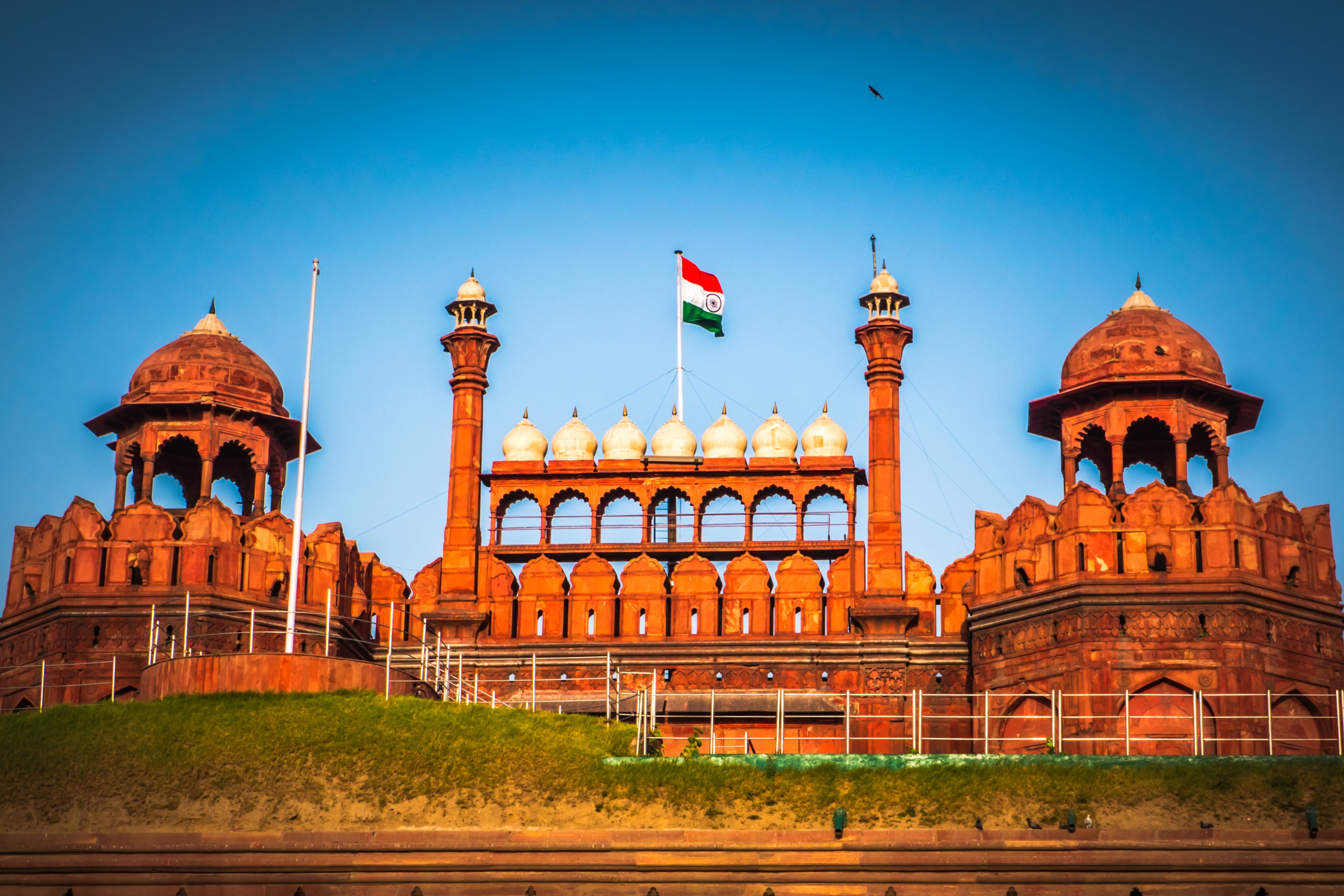
India Travel Itinerary 10 Days – A Comprehensive Guide to an Unforgettable Adventure
One of the places that travellers frequently say has changed their lives is India. The nation is simultaneously alive, chaotic, stunning, and profoundly historic. Every region offers visitors various tastes, languages, and landscapes; ancient monuments coexist with contemporary cities; and centuries-old customs coexist with modern culture. Planning a India Travel Itinerary 10 Days is one of the greatest methods for first-time travellers to see the wonders of India without feeling overburdened. Ten days is plenty of time to see India's most famous sites and become fully immersed in its intriguing culture, even if it could take months or even years to fully explore the country.
The majority of tourists select a path that incorporates real cultural encounters, architecture, and history. Because it links Delhi, Agra, and Jaipur—three of the nation's most important locations—the well-known Golden Triangle route continues to be the most popular choice. This itinerary offers the ideal blend of royal palaces, vibrant markets, Mughal heritage, and iconic historical sites. In order to establish a stronger bond with the nation, tourists frequently prolong this trip with cultural events, wildlife safaris, or spiritual encounters.
Explore historic forts, take in famous sites, savour regional food, and get a sense of the daily rhythm of Indian life with a well-thought-out India Travel Itinerary 10 Days. The trip turns into a voyage of discovery that explains why India has captivated tourists for ages, going beyond simple sightseeing.
Uncovering Delhi's Energy
Delhi, a city that aptly captures India's contrasts, is typically where the trip starts. Delhi is home to thousands of years of history in addition to being the nation's political capital. Numerous dynasties have constructed, destroyed, and rebuilt the city, leaving behind an amazing variety of neighbourhoods and monuments.
The city's ancient center, Old Delhi, is home to centuries-old mosques, busy marketplaces, and winding streets. It feels like you've entered a different age when you stroll through these vibrant alleyways. Jama Masjid, one of the biggest mosques in India constructed by the Mughal emperor Shah Jahan, is one of the most well-known sites here. Visitors can watch the city's continuous action from the mosque's courtyard, including street merchants, rickshaws, and residents going about their everyday lives.
Exploring the bustling Chandni Chowk market is another memorable Old Delhi experience. This ancient market is well-known for its vibrant textiles, jewellery boutiques, spice shops, and street cuisine. Travellers recall the ambiance long after they depart, as the fragrances of freshly prepared delicacies blend with the scent of spices.
New Delhi, on the other hand, has significant government buildings, colonial architecture, and broad avenues. A different aspect of the city's past is revealed by sites like India Gate and Humayun's Tomb. Qutub Minar, a massive minaret from the 12th century that is among the first instances of Indo-Islamic architecture, is another must-see site.
Travellers can see both the modern and historic aspects of India's capital by staying in Delhi for two days. The city provides a memorable introduction to the nation with its bustling markets and historic buildings.
Travel to the Famous City of Agra
Agra, which is home to one of the most renowned architectural wonders in the world, is typically the next stop on the schedule after touring Delhi. Agra, which is roughly 230 km from Delhi, was formerly the Mughal Empire's capital and is now a popular cultural destination.
The magnificent Taj Mahal is unquestionably the centrepiece of any trip to Agra. As a memorial to his cherished wife Mumtaz Mahal, Emperor Shah Jahan constructed this white marble monument in the seventeenth century. The monument is well-known for both its aesthetic qualities and the poignant backstory of its building.
To see the Taj Mahal's sunrise, tourists frequently rise early. The monument gradually shifts from a gentle pink to a radiant white as the first rays of sunshine reach the marble surface. The image is nearly surreal due to the reflection in the nearby pools. The Taj Mahal's status as one of the Seven Wonders of the World is easily comprehensible.
Agra is much than just the Taj Mahal. Another outstanding site that exemplifies the strength and grace of Mughal architecture is the magnificent Agra Fort. The Mughal monarchs' primary residence was originally an enormous red sandstone stronghold. Visitors can explore the fort's palaces, courtyards, and halls to see how royal life used to take place there.
Mehtab Bagh, a riverbank park that provides one of the most breathtaking views of the Taj Mahal, particularly at sunset, is another serene location in the city. Many tourists come to this garden in order to take stunning pictures of the monument from a different angle.
Travellers can enjoy the artistic genius of the Mughal era and comprehend the region's historical significance in just one or two days in Agra.
Examining Jaipur's Royal Heritage
The next destination on the trip is Jaipur, which is frequently referred to as the Pink City because to the warm terracotta colour of many of its structures. Rajasthan's capital, Jaipur, is one of India's most vibrant and culturally diverse travel destinations.
The city is well-known for its colourful marketplaces, imposing palaces, and hilltop forts. Amber Fort, which is situated just outside the city, is one of the most striking sights. This spectacular fort, which blends Rajput and Mughal architectural traditions, was built on a hill with a view of Maota Lake. Visitors can tour the complex's exquisite corridors, mirror-decorated rooms, and lovely courtyards.
The magnificent City Palace, a historic palace complex that currently houses the Jaipur royal family, is located in the center of the city. The palace has museums with artefacts, weapons, and royal attire that shed light on Rajasthan's imperial past.
The magnificent Hawa Mahal, renowned for its distinctive honeycomb-style façade with hundreds of tiny windows, is another famous landmark. Royal women were able to watch street festivities without being noticed from the outside because to this architectural wonder.
Jaipur is renowned for its vibrant bazaars as well. Traditional handicrafts, textiles, jewellery, and souvenirs may be found in markets like Johari Bazaar and Bapu Bazaar. The vibrant colours, welcoming vendors, and noises of daily life make for a sensory experience when strolling through these markets.
Travellers can appreciate Jaipur's warm hospitality and rich traditions while taking in Rajasthan's royal splendour by staying for two or three days.
Cultural Encounters Outside of Monuments
There is more to a 10-day vacation to India than just seeing historical places. Cultural encounters are equally significant since they capture the essence of the nation. In order to learn about local customs and traditions, tourists frequently take part in historical tours, cooking workshops, or traditional dance performances.
Another memorable aspect of the trip is the Indian food. Every area has its own distinctive flavours and culinary techniques. Travellers can sample delectable street food in Delhi, such as parathas and chaat. While Jaipur serves classic Rajasthani cuisine like dal baati churma and gatte ki sabzi, Agra is renowned for its sweet treat called petha.
Engaging with locals enhances the vacation experience as well. Indians are renowned for their friendliness and kindness, and tourists frequently strike up a conversation with guides, retailers, or other travellers.
A lot of excursions also include stops at traditional villages or cultural hubs where visitors can learn about the creation of textiles, ceramics, and handicrafts. These encounters help local communities and offer a better knowledge of India's cultural legacy.
The Ideal Time to Arrange a 10-Day Trip to India
When organising a trip itinerary in India, selecting the appropriate season might have a big impact. The months of October through March are ideal for travelling to the majority of North India because of the nice and temperate weather.
It's simpler to tour cities, forts, and markets during these months because the heat isn't as harsh as it is during the summer. Travelling throughout the winter months is made even more exciting by a number of cultural festivals.
In many regions of North India, the summer months of April through June can be very hot. In addition to bringing substantial rainfall, the monsoon season, which typically lasts from July to September, also turns the surrounding areas into verdant, lush landscapes.
Winter is a popular time of year for travellers who want lower temperatures and clear skies, making it the perfect time to plan an India Travel Itinerary 10 Days.
Advice for a Smooth Journey
When visiting India, preparation is crucial. Last-minute stress can be avoided by making reservations for lodging and transportation in advance, particularly during the busiest travel seasons. Because they offer convenience and local knowledge, many tourists choose for private excursions or guided itineraries.
Maintaining flexibility and an open mind is also beneficial. India might seem erratic at times, but that's part of its allure. Travellers frequently have the most pleasant memories of traffic, crowds, and unanticipated discoveries.
Simple actions that contribute to a pleasurable trip include packing comfy clothes, drinking plenty of water, and honouring local traditions. Acquiring a few simple Hindi phrases might facilitate cordial conversations with locals.
An informed guide, dependable transportation, and travel insurance can all improve the trip experience while following a well-planned India Travel Itinerary 10 Days.
Why a 10-Day Itinerary Is Ideal
Although ten days might not seem like much for a nation the size of India, it is actually the perfect amount of time to see the most well-known attractions. Delhi, Agra, and Jaipur together provide a harmonious blend of daily life, architecture, history, and culture.
With this schedule, tourists may explore vibrant marketplaces, view iconic landmarks, and savour local cuisine without having to rush from one location to another. Travel between these cities is efficient and convenient due to their comparatively small distances.
For many tourists, their initial visit to India marks the start of a more profound fascination with the nation. Travellers frequently return to explore other areas like Kerala, the desert cities of Rajasthan, the Himalayan foothills, or the beaches of Goa after visiting the Golden Triangle.
India has a way of leaving a lasting impression, and a well-planned India Travel Itinerary 10 Days is the ideal introduction to this incredible destination.
An incredible introduction to one of the most fascinating places on earth may be had with a 10-day vacation itinerary to India. Every stop along the way shows something fresh and fascinating, from the busy streets of Delhi to the timeless beauty of the Taj Mahal and the royal heritage of Jaipur. Discover India's distinctive historic architecture, vibrant customs, mouthwatering cuisine, and kind hospitality.
Travellers frequently make lifelong memories throughout these ten days. The marketplaces display lively local life, the monuments tell tales of strong empires, and the landscapes highlight the remarkable diversity of the nation. India continues to be one of the world's most rewarding travel destinations for anyone looking to experience culture, history, and adventure all in one trip.
FAQs
1. Is ten days sufficient to travel to India?
Indeed, ten days is sufficient to see the major sights of North India, particularly the Golden Triangle itinerary that passes via Delhi, Agra, and Jaipur.
2. Which month is ideal for a 10-day trip to India?
Since the weather is beautiful and perfect for touring, October through March is usually regarded as the greatest time.
3. What is the distance between Delhi and Agra?
Agra may be reached in three to four hours by automobile or train from Delhi, which is around 230 km away.
4. What makes the Taj Mahal so well-known?
The Taj Mahal is revered for both its magnificent Mughal architecture and the romantic tale of Emperor Shah Jahan's building of it.
5. Can first-time travellers follow the Golden Triangle itinerary?
Indeed, the Golden Triangle offers culture, history, and famous sites within a reasonable travel distance, making it one of the most suggested tourist routes in India.