Jaipur’s Jal Mahal in Monsoon: The Best Lake Views You Won't See in Winter
May 12, 2026
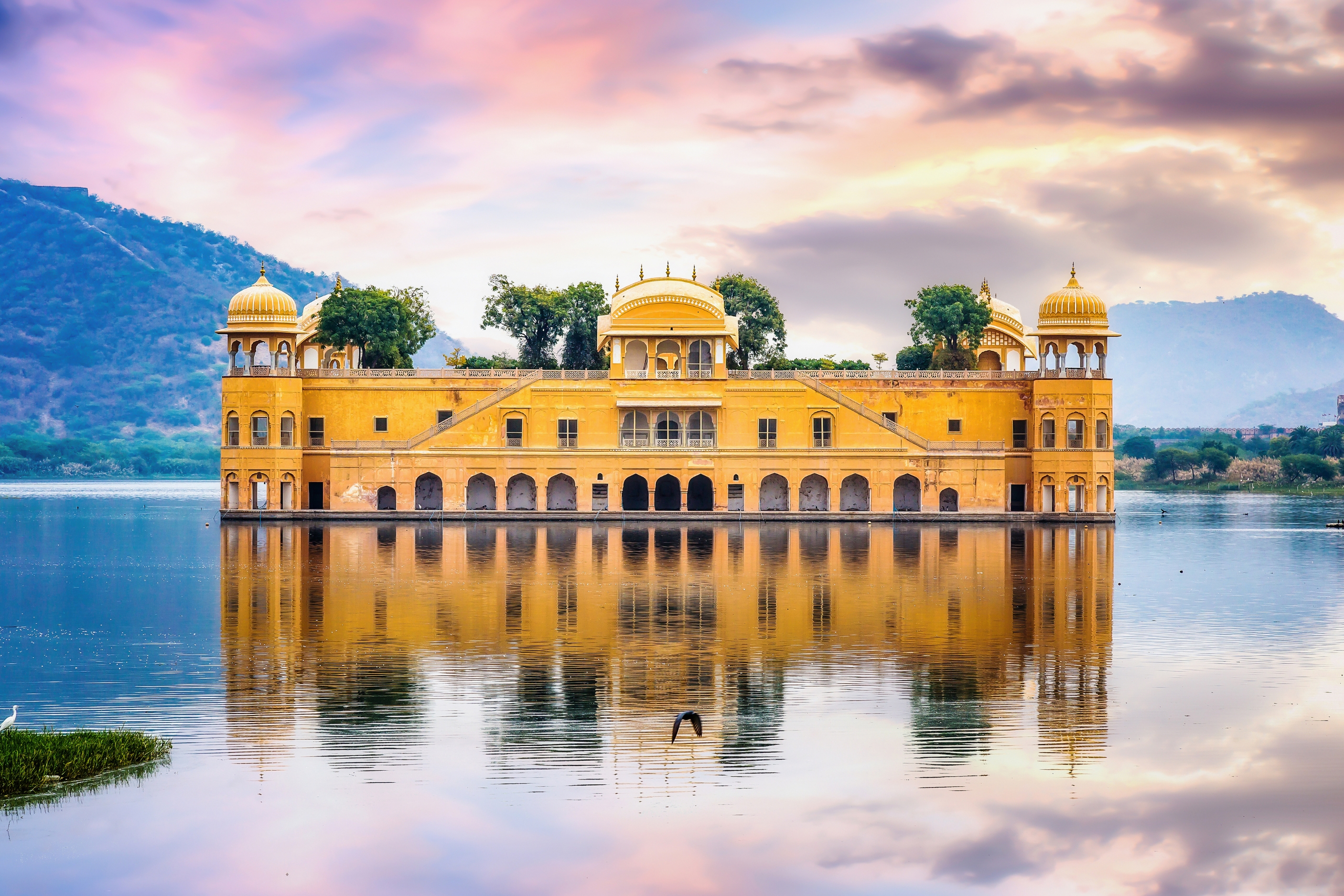
The Greatest Lake Views You Won't See in Winter at Jaipur's Jal Mahal During the Monsoon
Experience the magic of Jaipur’s Jal Mahal in Monsoon: The Best Lake Views You Won't See in Winter where overflowing lake waters, cloudy skies, and lush green hills transform Jaipur’s iconic water palace into a breathtaking monsoon paradise.
Why the Monsoon Season Makes Jal Mahal Look Completely Different
Although Jaipur is well-known for its royal palaces, vibrant streets, imposing forts, and enduring Rajasthani culture, there is one location that drastically changes during the rainy season and astonishes nearly every visitor to the Pink City. During the monsoon, Jal Mahal, which is serenely situated in the center of Man Sagar Lake, becomes one of Rajasthan's most enchanted vistas. While most tourists visit Jaipur in the winter, the rainy season offers a whole other perspective on this famous water palace that many travellers never get to see.
During the monsoon, Jal Mahal's splendour seems like something out of a movie. Rainwater fills the lake to higher levels, migratory birds arrive around the water, dark clouds hover over the Aravalli Hills, and the palace reflection on the lake is more captivating than it is at any other time of year. The entire area around Jal Mahal comes to life during the monsoon, in contrast to winter, when the surrounds can appear dry and dusty. The lake looks fuller and more colourful, the hills grow green, and the air cools.
Jal Mahal is frequently cited by visitors to Jaipur in July, August, and September as one of the city's most underappreciated monsoon attractions. The ambiance is serene, romantic, and incredibly picturesque. Visitors can enjoy cool breezes, gloomy sky, and mirror-like reflections across the river instead of bright sunlight and crowded perspectives. It produces a visual experience that is just not possible in the winter.
The Interesting Background of Jal Mahal
One of Jaipur's most famous architectural sites is Jal Mahal, which translates to "Water Palace." The palace, which was constructed in the center of Man Sagar Lake, blends Mughal and Rajput architectural traditions in a way that is both sophisticated and enigmatic. The palace was first built in the 18th century by Maharaja Madho Singh as a royal family retreat and duck-hunting lodge.
The illusion the building creates is what sets Jal Mahal apart. Only the top story appears above the water from the roadway; all other stories remain under the lake. The palace appears to float thanks to this architectural arrangement, particularly during the monsoon when water levels increase dramatically.
The palace's outside beauty alone draws thousands of photographers, tourists, and nature enthusiasts each year, even though the palace itself is not now accessible to the general public on a regular basis. When it rains, the sandstone cliffs create postcard-like images around the lake from almost every viewpoint as they reflect wonderfully against the water.
The historical allure of Jal Mahal is enhanced during the monsoon season. Photographers adore the striking contrasts created by rain clouds hanging over centuries-old buildings. During the rainy months, Jal Mahal is one of Jaipur's most visually attractive attractions due to its royal heritage, natural beauty, and seasonal transformation.
Man Sagar Lake Becomes a Scenic Paradise During the Monsoon
Man Sagar Lake is a major factor in Jal Mahal's remarkable appearance during the monsoon. Water levels might drop significantly during the dry months, lessening the palace's environs' visual impact. The lake gorgeously fills when the monsoon rains approach, turning the whole area into a stunning waterscape.
When it rains, Jal Mahal's reflection on the placid lake water is much more visible. On overcast days, the still surface reflects the castle, the neighbouring hills, and the clouds. One of the primary causes of the growing popularity of monsoon photography near Jal Mahal among travel bloggers and content producers is these reflections.
During the monsoon, the Aravalli Hills that encircle the lake also see a significant change. Suddenly, the dry brown hills are covered in vegetation, giving the landscape new depth and colour. A distinctive visual composition that is uncommon during Jaipur's winter months is created by the contrast between the golden sandstone architecture, dark monsoon skies, and verdant hills.
The monsoon season surrounding Man Sagar Lake is particularly productive for birdwatchers. During this time, a variety of migratory and native bird species congregate close to the lake, bringing movement and vitality to the serene ambiance. Herons, kingfishers, egrets, and other water birds can frequently be seen skimming across the lake in the early morning.
Why Jal Mahal's Monsoon Beauty Is Unmatched by Winter
Because of the lovely weather and bright skies, winter is without a doubt Jaipur's busiest travel season. However, the monsoon provides a much richer visual experience when it comes to Jal Mahal's particular scenic appeal. In contrast to the lush surrounds seen during the rainy season, the lake's winter sceneries frequently appear dry and colourless.
The palace's stunning floating effect may be diminished in the winter when the lake's water level appears lower. Additionally, the adjacent Aravalli Hills lose the lushness that makes monsoon views so unforgettable. Photographs taken under clear blue sky are undoubtedly lovely, but they can't compare to the ambiance and mood produced by dark rain clouds reflected across the lake.
Additionally, softer natural lighting during the monsoon improves photography. Rainy weather produces balanced lighting conditions that are perfect for photographing architectural features and reflections rather than bright sunlight and sharp shadows. Because gloomy weather makes colours appear richer and more dramatic, photographers frequently favour it.
The general ambiance surrounding Jal Mahal is another significant distinction. Jaipur's winter tourism can get very congested, particularly on weekends and during holidays. Because there are typically fewer people during the monsoon, guests can enjoy more peaceful settings and unobstructed views of the lake. The event feels more intimate and soothing because of this serene setting.
Monsoon is the Ideal Time to Visit Jal Mahal
July through September are the best months to take in Jal Mahal's monsoon splendour. Jaipur experiences seasonal rains during this time, which replenishes Man Sagar Lake and revitalises the surrounding area. Because the temperature stays cooler and the lighting becomes more appealing, early morning and evening are thought to be the greatest periods for sightseeing.
Visits at sunrise provide serene surroundings with fewer people and serene lake reflections. There are moments when the gentle morning mist surrounding the lake produces surreal, dreamlike landscapes. Due to the magnificent skies behind the palace created by the combination of monsoon clouds and sunset colours, evening visits are equally breathtaking.
Before making travel plans, tourists should also consider the weather prediction. Heavy storms may momentarily impair vision around the lake, but light rainfall improves the experience. During erratic weather, sightseeing can be made more comfortable by bringing lightweight rain jackets or umbrellas.
For tourists seeking more peaceful photographic possibilities, weekdays are frequently preferable over weekends. On weekend evenings, both locals and visitors congregate in large numbers near Jal Mahal, particularly after a downpour when the view is particularly stunning.
Opportunities for Photography Near Jal Mahal
During the monsoon, Jal Mahal is a photographer's dream come true. Man Sagar Lake offers distinctive compositions, reflections, and evocative landscapes from every aspect. In order to capture Jal Mahal's shifting moods, professional photographers often travel to Jaipur during the rainy season.
One of the most well-liked locations for photography is the roadside promenade that faces the palace. Wide-angle photographs of the lake, palace, Aravalli Hills, and striking monsoon skies may be taken from this location. After a downpour, while the water's surface is still calm, reflection photography is very beautiful.
During the monsoon, street photography near Jal Mahal also gets more captivating. Photographs are enhanced with genuine cultural features by local chai merchants, vibrant umbrellas, camel rides, and traditional Rajasthani clothing. In contrast to daylight winter photography, evening illumination and rain-soaked roadways produce cinematic metropolitan vistas.
When allowed, drone photography shows the amazing arrangement of Jal Mahal, which is completely encircled by beautiful hills and water. During the monsoon, aerial views highlight the lake's full grandeur in ways that are not feasible to see from the ground.
Because even smartphone cameras can capture beautiful reflections and dramatic skies during the rainy season, Jaipur’s Jal Mahal in Monsoon: The Best Lake Views You Won't See in Winter has become a favorite destination for mobile photography lovers and travel influencers.
Local Experiences and Street Food Close to Jal Mahal
Experiencing Jaipur's local street culture around the lake is one of the best things about visiting Jal Mahal during the monsoon. Rainy weather is ideal for savouring traditional Rajasthani street food, masala chai, and warming snacks while taking in the beautiful scenery.
Popular regional foods including kachori, samosas, mirchi vada, pakoras, and kulhad chai are frequently sold by vendors close to Jal Mahal. Many tourists recall the original Jaipur experience long after their trip is over by enjoying hot snacks next to the refreshing monsoon lake wind.
There are also classic photo opportunities and camel rides in the Jal Mahal region. Visitors can explore Rajasthan's cultural diversity while taking in the monsoon ambiance by visiting local craftsmen who occasionally offer handmade crafts, jewellery, and souvenirs nearby.
Light rain showers make strolls down the seafront more enjoyable in the evening. The romantic ambiance created by the cool air, reflections on wet roadways, and dazzling palace lights is ideal for both lovers and photographers.
Local Attractions to Visit in the Monsoon
During a monsoon day tour, Jal Mahal's location makes it simple to combine with other well-known Jaipur sights. When it rains, the neighbouring Amber Fort seems breathtakingly lovely, with verdant hills encircling the enormous fort complex. Additionally, Nahargarh Fort provides sweeping vistas of Jaipur shrouded in monsoon clouds.
Because of the revitalised natural surroundings, the road that connects Jal Mahal and Amber Fort is especially picturesque during the monsoon. Because the scenery looks so different in the summer and winter, tourists frequently pause several times to take pictures.
Another hidden beauty worth discovering during the monsoon is Kanak Vrindavan Garden, which is near Jal Mahal. After it rains, the garden is lush and colourful, providing vistas of the neighbouring hills and serene strolling routes.
Cooler, rainy weather also makes Sisodia Rani Garden and Jaipur's old city marketplaces more enjoyable. When the temperature drops because of seasonal rain, it is much more comfortable to shop for traditional textiles, handicrafts, and jewellery.
Travel Advice for Monsoon Visits to Jal Mahal
Travellers who intend to visit Jal Mahal during the monsoon season should be ready for shifting weather. After rain, roadways and walking areas may become slick, so wearing comfortable shoes is crucial. It's also advised to have waterproof bags for electronics and cameras.
Travellers should allow extra time for transportation between attractions because heavy rainfall might slow down traffic in the Jaipur area. On rainy days, booking lodging close to center Jaipur can assist ease the stress of travel.
The ideal outfit for Jaipur's monsoon climate is light cotton apparel paired with a rain jacket. Outdoor sightseeing is much more pleasurable because the temperatures are still significantly lower than during the hottest summer months.
In order to maintain the beauty of this ancient site, visitors should also refrain from littering the area around Man Sagar Lake. In order to preserve Jaipur's natural and architectural legacy for future tourists, responsible tourism is crucial.
Jal Mahal at Night in the Rainy Season
Jal Mahal gives a completely different experience after sunset during wet weather, even if daytime monsoon views draw the majority of visitors. Dark clouds drifting across the sky give drama and intrigue to the ambiance, while palace lights reflecting over the lake forms golden patterns on the water.
The city lights are brilliantly reflected by the rain-washed streets surrounding the lake, producing a midnight setting fit for a movie. Because of the pleasant weather and serene lake views, couples frequently visit Jal Mahal in the evening.
An almost tranquil atmosphere is created by the sound of mild rain mixed with far-off city bustle. During the monsoon season, Jaipur’s Jal Mahal in Monsoon: The Best Lake Views You Won't See in Winter offers a calm and unforgettable nighttime experience far away from Jaipur’s crowded markets.
Long-exposure nighttime photos around the lake are particularly popular among photographers because of the visually arresting compositions created by reflections and castle illumination. The architecture, water, lighting, and weather all work together to make Jal Mahal one of Jaipur's most picturesque monsoon spots.
A magnificent aspect of Rajasthan that winter visitors never encounter can be seen at Jaipur’s Jal Mahal in Monsoon: The Best Lake Views You Won't See in Winter. This ancient water palace is transformed into one of India's most magnificent seasonal attractions by overflowing lake waters, dramatic skies, lush green hills, pleasant breezes, and mirror-like reflections.
While general touring in Jaipur is still popular during the winter, the monsoon season provides a more profound emotional and visual experience near Jal Mahal. For photographers, couples, nature lovers, and cultural tourists alike, the serene ambiance, fewer visitors, breathtaking scenery, and lovely lake views create lifelong memories.
If you're thinking of travelling to Jaipur in 2026, you can see the Pink City from a whole new angle by going to Jal Mahal during the rainy season. It's about witnessing how history, architecture, nature, and weather combine to provide a vision that is so breathtaking that winter can't match it.
Plan your unforgettable Rajasthan getaway with Jaipur’s Jal Mahal in Monsoon: The Best Lake Views You Won't See in Winter and experience one of Jaipur’s most magical seasonal attractions.
FAQs
During the monsoon season, is Jal Mahal open?
Indeed, one of Jaipur's most picturesque rainy-season attractions is the area surrounding Jal Mahal, which is still reachable during the monsoon.
Which months are ideal for monsoon visits to Jal Mahal?
The ideal months to take in the lake views and lush surroundings of Jal Mahal are thought to be July, August, and September.
Can visitors enter Jal Mahal?
Although normal public access to the palace is currently restricted, guests can still take in the breathtaking views from the lakeside promenade.
Why does Jal Mahal appear more attractive during the monsoon than during the winter?
The monsoon provides foliage to the Aravalli Hills, fills Man Sagar Lake, and produces striking cloud reflections that enhance the vividness and visual appeal of the palace landscape.
Is Jal Mahal a nice place to take pictures when it's raining?
Indeed, Jal Mahal's reflections, overcast skies, lake views, and antique architecture make it one of Jaipur's top locations for monsoon photography.