Ranthambore Safari Booking Guide (Zones, Price & Tips 2026)
April 12, 2026
Booking Guide for Ranthambore Safari (Zones, Cost, & Advice 2026)
One of the most thrilling wildlife experiences in India is organising a safari in Ranthambore National Park. Photographers, wildlife enthusiasts, and adventure seekers from all over the world visit the park, which is well-known for its flourishing population of Royal Bengal Tigers. Ranthambore, in Rajasthan's Sawai Madhopur district, provides a unique opportunity to witness a tiger wandering freely in its native environment. Every safari feels like a trip into the wild because of the park's ideal combination of rocky hills, historic ruins, lakes, and dry deciduous forests.
Knowing how to arrange a safari in Ranthambore in 2026, as well as the various zones, pricing structure, and important advice, can significantly improve the whole experience. Many tourists believe that just showing up at the park is sufficient to secure a safari seat, but the truth is rather different. Particularly during the busiest travel months, safari slots frequently sell out weeks in advance. Visitors can improve their chances of having a good and unforgettable wildlife encounter by being familiar with the booking procedure, picking the ideal safari vehicle, and choosing the best zones. For detailed information, you can explore the complete Ranthambore Safari Booking Guide (Zones, Price & Tips 2026).
Understanding Ranthambore National Park Wildlife
One of India's most well-known tiger reserves, Ranthambore National Park is an important component of the government's Project Tiger program, which aims to save endangered tigers. The park, which is more than 1,300 square kilometres in size and includes buffer zones, offers a healthy ecosystem in which predators and prey coexist in a natural setting.
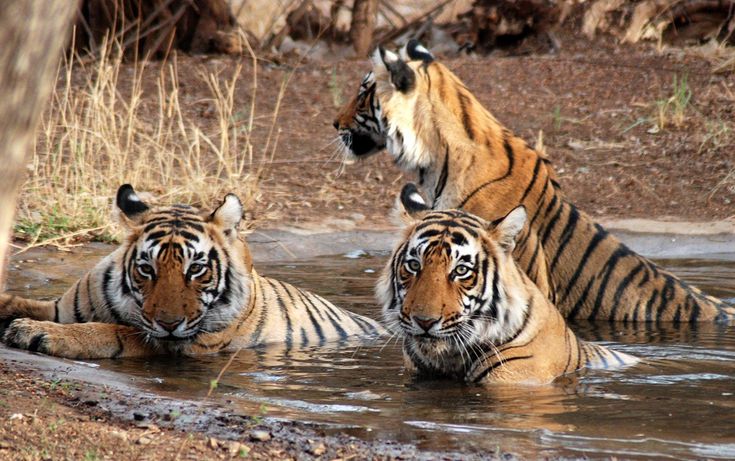
Ranthambore has a striking and varied scenery. The park is dotted with picturesque lakes, broad grasslands, lush forest sections, and steep cliffs. These lakes, like Padam Talao and Rajbagh Talao, are essential for drawing wildlife, especially in the warmer months when animals congregate around water sources. The likelihood of seeing tigers, leopards, sloth bears, crocodiles, and a variety of deer and bird species is greatly increased by this natural gathering.
The ease with which many tigers have adapted to safari vehicles is one of Ranthambore's most intriguing features. These magnificent animals have become accustomed to jeeps and canters after decades of protection and controlled tourism. As a result, visitors occasionally see animals up close, which is uncommon in many other wildlife parks. Ranthambore has established itself as one of the world's top locations for seeing tigers in the wild. Learn more in this detailed Ranthambore Safari Booking Guide (Zones, Price & Tips 2026).
Safari Vehicle Types in Ranthambore
There are two primary vehicle options available to visitors when arranging a safari in Ranthambore: Gypsy Safari and Canter Safari. Trained drivers and guides accompany both cars as they travel the park's approved pathways, assisting with wildlife identification and providing an explanation of the environment.
Gypsy Safari (Six-Seater Jeep)
The Gypsy Safari is the most well-liked choice for those who love nature. It offers a more intimate and adaptable experience with its six-seater open jeep. The vehicle's reduced size allows it to manoeuvre through forest trails with ease and to stop fast when it spots animals. Because it allows for better camera angles and less crowding, wildlife photographers particularly favour this choice.
The Gypsy's ability to produce a more subdued and engaging experience is another benefit. When there are only a few people inside, guests can pay close attention to deer or langur alarm sounds, which frequently signal the presence of a tiger in the area. The difference between a typical safari and an exciting tiger sighting can be determined by these little sounds.
Canter Safari (20-Seater Vehicle)
About 20 people can fit in the larger open vehicle known as the Canter Safari. For tourists visiting Ranthambore in larger groups, this alternative is typically more affordable. The vehicle follows a set track and cannot manoeuvre as easily as a jeep, so while the experience is still exciting, it is a little less flexible.
However, because canter safaris provide elevated seating and a wider perspective of the surrounding forest, many tourists still find them enjoyable. The excitement of seeing animals in their natural environment doesn't change even when there are more passengers on board. The canter safari is a great way for those on a tight budget to see Ranthambore.
Ranthambore Safari Zones Explained
Ten safari zones, each with unique scenery and wildlife experiences, make up the park. This zone concept aids in controlling tourism while safeguarding delicate ecosystems. Zones 1 through 5 are regarded as core zones, and Zones 6 through 10 are buffer zones.
Core Zones (1–5)
Tiger activity has historically been stronger in Zones 1 through 5, which are situated in the park's center. These regions have a number of lakes, portions of dense forest, and old ruins, all of which make them perfect for predators to hunt. Because it contains Padam Talao, one of the park's major lakes, where tigers are regularly seen sipping water or hunting prey, Zone 3 is very well-known.
Because of the beautiful scenery and frequent tiger movement, Zones 2 and 4 are also very popular. These areas are where many famous Ranthambore tiger photos were taken. Safari permits for these locations are frequently reserved weeks in advance due to their popularity.
Buffer Zones (6–10)
In order to increase the safari area and lessen demand on the main zones, buffer zones were eventually added. In addition to offering great chances to encounter animals like leopards, hyenas, jackals, nilgai, and many bird species, these zones include stunning woodland scenery.
Tiger sightings are still common, even though they could be a little less frequent than in core areas. In fact, some tourists like these areas since they are less crowded and quieter, making for a more tranquil safari.
Ranthambore Safari Price in 2026
The kind of vehicle, the nationality of the visitors, and the booking quota all affect the price of safaris. The approximate fees for reservations made in advance are as follows:
| Safari Type | Indian Visitor Cost | Foreign Visitor Cost |
|---|---|---|
| Gypsy Safari (6 Seater) | ₹2000 – ₹2150 per seat | ₹4500 – ₹5000 per seat |
| Canter Safari (20 Seater) | ₹1450 – ₹1600 per seat | ₹3500 – ₹4500 per seat |
These prices generally include the park entry permit, vehicle cost, guide fee, and government taxes. Premium or last-minute bookings such as Tatkal quotas may cost significantly more depending on availability.
Safari Timings and Best Time to Visit
Safaris in Ranthambore run twice a day, once in the morning and once in the afternoon. Typical timings are around 6:00 AM to 9:30 AM for morning safaris and around 2:30 PM to 6:00 PM for evening safaris. Seasonal daylight changes may slightly affect these schedules.
The best time to visit Ranthambore is from October to June. During the monsoon season between July and September, the core zones are usually closed for conservation. Interestingly, the hottest months between April and June often provide the best tiger sightings as animals gather around waterholes.
How to Book Ranthambore Safari Online
If you plan ahead, it's easy to reserve a safari in Ranthambore. Safari permits can be reserved using the Rajasthan Forest Department's official web portal. Seats fill up fast during the busiest travel seasons, and advance reservations typically begin several months prior to the trip date.
When making a reservation, travellers must supply legitimate identity information. While foreign visitors must provide passport information, Indian visitors usually use Aadhaar or another government ID. For verification, guests must provide the same ID they used to make their reservation at the safari gate.
You can also combine your wildlife experience with a popular India travel route. Read the full Ranthambore Safari Booking Guide (Zones, Price & Tips 2026) to plan a complete Golden Triangle tour with tiger safari.
Tips for a Successful Ranthambore Safari
A safari in Ranthambore is not solely dependent on luck; awareness and planning can greatly enhance the experience. One crucial piece of advice is to schedule multiple safaris if possible. Wildlife sightings are unpredictable, and taking two or three safaris improves your chances of spotting a tiger.
Visitors should wear neutral colors such as green, brown, or beige to blend into the environment. Carrying binoculars and a camera with a zoom lens can significantly enhance your experience by allowing you to observe wildlife safely from a distance. Listening carefully to your guide and driver also increases the chances of finding animals in the forest.
Wildlife in Ranthambore
Ranthambore is home to many different species of animals, but the Bengal tiger is the major draw. During safaris, visitors frequently see animals such as marsh crocodiles, leopards, sloth bears, and striped hyenas. Large herbivores like nilgai, spotted deer, and sambar deer are commonly observed grazing in open grasslands.
Bird watchers will also find Ranthambore fascinating because the park hosts more than 300 bird species including owls, eagles, kingfishers, and migratory water birds. To explore a wildlife journey combined with famous Indian heritage sites, check the detailed Ranthambore Safari Booking Guide (Zones, Price & Tips 2026).
For those who enjoy wildlife, a trip to Ranthambore National Park is an experience of a lifetime. The park provides one of the greatest opportunities in the world to see a tiger in the wild because of its thriving tiger population, dramatic landscapes, and well-organized safari system.
Preparation is the key to a successful safari. Booking in advance, selecting the right vehicle, choosing the best safari timings, and following expert advice can significantly improve the chances of an unforgettable wildlife encounter. For a complete travel experience including Delhi, Agra, Jaipur, and Ranthambore, explore the full Ranthambore Safari Booking Guide (Zones, Price & Tips 2026).
FAQs
1. How many safari zones are there in Ranthambore?
There are 10 safari zones in Ranthambore National Park, numbered from Zone 1 to Zone 10.
2. What is the Ranthambore safari price in 2026?
Gypsy safari costs around ₹2000–₹2150 per person for Indian visitors, while Canter safari costs around ₹1450–₹1600 per person.
3. Which Ranthambore zone is best for tiger sightings?
Zones 2, 3, and 4 are considered among the best for tiger sightings, although sightings can occur in any zone.
4. How many safaris should I book?
Wildlife experts recommend booking at least two or three safaris to increase the chances of spotting a tiger.
5. What is the best time to visit Ranthambore?
The best time to visit Ranthambore National Park is from October to June, with higher chances of tiger sightings during the summer months.