Taj Mahal Tour: Everything You Need to Know Before You Go
December 15, 2025
Taj Mahal Tour: Everything You Need to Know Before You Go
Introduction to the Taj Mahal
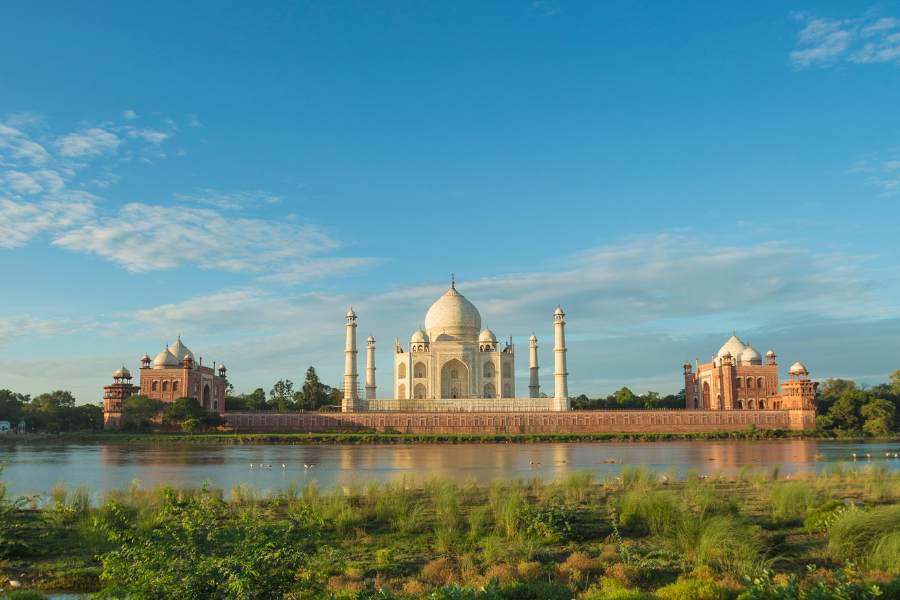
Planning a Taj Mahal tour? You’re in for something truly unforgettable. The Taj Mahal isn’t just a monument—it’s an emotion carved in white marble. Standing gracefully on the banks of the Yamuna River in Agra, this world wonder attracts millions of travelers every year. Whether you’re a history lover, a romantic soul, or a first-time traveler to India, visiting the Taj Mahal feels like ticking off a lifetime dream.
This guide walks you through everything you need to know before you go—no confusion, no surprises, just pure wonder.
Why the Taj Mahal Is a Must-Visit Destination
Why does the Taj Mahal sit proudly on every traveler’s bucket list? Simple—it’s timeless. It represents eternal love, artistic perfection, and centuries of history wrapped into one breathtaking structure. Pictures don’t do justice. When you see it in person, glowing softly under the sun, it feels almost unreal—like a mirage that decided to stay.
History of the Taj Mahal
The Taj Mahal was built by Mughal Emperor Shah Jahan in the 17th century. It took around 22 years and over 20,000 artisans to complete this masterpiece.
At its heart, the Taj Mahal is a love story. Shah Jahan built it in memory of his beloved wife Mumtaz Mahal, who passed away during childbirth. Think of it as a marble poem—every curve, dome, and arch whispers devotion.
Construction began in 1632 and concluded in 1653. Materials were sourced from across Asia, making it a truly international marvel long before globalization was a thing.
Architectural Brilliance of the Taj Mahal
The Taj Mahal is the finest example of Mughal architecture, blending Persian, Islamic, and Indian styles. Balanced proportions, grand domes, and perfect symmetry define its design.
The intricate marble inlay work—called Pietra Dura—features semi-precious stones embedded into white marble. Quranic calligraphy adorns the arches, increasing in size as it rises, a clever optical illusion.
Everything is symmetrical—except one thing: Shah Jahan’s tomb, added later. That slight imperfection makes the monument even more human.
Best Time to Visit the Taj Mahal
October to March is ideal. The weather is pleasant, making sightseeing comfortable. Summers can be harsh, while monsoons bring humidity.
Early morning is magical. Fewer crowds, softer light, cooler air—what’s not to love?
Sunrise offers serenity and pastel hues. Sunset brings drama and golden tones. If possible, choose sunrise—it’s worth the early alarm.
How to Reach the Taj Mahal
Agra is well-connected by trains from Delhi, Jaipur, and Varanasi. Gatimaan Express is the fastest option from Delhi.
The Yamuna Expressway makes road travel smooth and fast. Delhi to Agra takes around 3–4 hours.
Agra has a small airport with limited flights. Most travelers prefer flying to Delhi and continuing by road or train.
Taj Mahal Entry Tickets and Timings
Ticket prices vary for Indian and international tourists. Additional charges apply for entering the main mausoleum.
The Taj Mahal opens from sunrise to sunset, except Fridays.
On Fridays, the Taj Mahal remains closed for general visitors due to prayers at the mosque.
Types of Taj Mahal Tours
A Taj Mahal day tour from Delhi is perfect for travelers short on time. Start early, return by evening, and still experience the magic.
The Taj Mahal sunrise tour is a favorite among photographers and couples. Watching the sun paint the marble pink is unforgettable.
Luxury and private tours offer private guides, premium transport, and curated experiences—ideal for comfort seekers.
What to See Inside the Taj Mahal Complex
The main mausoleum is the heart of the complex. The cenotaphs of Shah Jahan and Mumtaz Mahal lie here.
The mosque and guest house flank the mausoleum, adding balance and depth to the structure.
The Charbagh garden is a Persian-style garden divided into four sections, symbolizing paradise.
Dress Code and Cultural Etiquette
Dress modestly and respectfully. Cover shoulders and knees. Shoe covers are mandatory inside the mausoleum.
Photography Rules and Tips
Photography is allowed in most areas, but tripods and drones are not permitted. Photography inside the main tomb chamber is prohibited.
Things to Carry and Things to Avoid
Carry essentials only. Large bags, food items, and certain electronics are restricted inside the complex.
Safety Tips and Visitor Guidelines
Follow security rules, stay hydrated, and beware of unofficial guides outside the complex.
Nearby Attractions to Combine with Your Taj Mahal tour
Agra Fort is a UNESCO World Heritage Site located just 2.5 km from the Taj Mahal.
Mehtab Bagh is perfect for sunset views of the Taj Mahal from across the river.
Fatehpur Sikri is an abandoned Mughal city rich in history and stunning architecture.
Where to Stay in Agra
From luxury hotels with Taj views to budget guesthouses, Agra offers accommodation options for every traveler.
Local Food You Must Try in Agra
Don’t miss Agra’s famous petha, flavorful Mughlai curries, and street food like kachori and chaat.
Common Mistakes Tourists Make
Arriving late, ignoring weather conditions, and underestimating security checks are common slip-ups.
Useful Tips for a Smooth Taj Mahal Visit
Book tickets online, hire a licensed guide, and plan ahead to avoid crowds.
A Taj Mahal tour isn’t just sightseeing—it’s a soulful experience. From the history and architecture to the emotions it evokes, the Taj Mahal leaves a lasting impression. Plan well, go early, and let this timeless wonder steal your heart.