Taj Mahal Tour From Delhi by Car: Complete Same-Day Itinerary
September 25, 2026
Taj Mahal Tour From Delhi by Car: Complete Same-Day Itinerary
A Taj Mahal Tour from Delhi by car is one of the most convenient ways to experience the iconic Taj Mahal and the historic city of Agra in a single day. With a private car, you can enjoy a comfortable journey, flexible departure times, and the freedom to explore Agra at your own pace. The route from Delhi to Agra is well connected by the Yamuna Expressway, making a same-day trip practical for travelers with limited time in India.
Whether you are visiting India for the first time, traveling with family, enjoying a romantic getaway, or simply looking for a memorable day outside Delhi, a well-planned itinerary can help you see the major attractions without feeling rushed.
This complete guide explains everything you need to know about planning a same-day trip from Delhi to Agra by car, including the best departure time, places to visit, suggested itinerary, travel time, costs, food, shopping, and useful travel tips.
Why Choose a Taj Mahal Tour From Delhi by Car?
Traveling from Delhi to Agra by private car offers several advantages over other transportation options. You can leave Delhi early in the morning, stop for refreshments whenever you want, and travel directly between the attractions in Agra.
A private car is especially useful for families, couples, senior travelers, and small groups because you do not have to follow a fixed public transportation schedule.
The journey generally takes around 3 to 4 hours depending on traffic and the exact starting point in Delhi. The Yamuna Expressway provides a relatively direct connection between Delhi and Agra.
With an early start, you can visit the Taj Mahal in the morning, explore Agra Fort, enjoy lunch, and visit another attraction before returning to Delhi in the evening.
Best Time to Take a Same-Day Agra Trip
The best time for this journey depends on the season and what you want to experience.
From October to March, the weather in Agra is generally more comfortable for sightseeing. Winter mornings can be cool and sometimes foggy, particularly in December and January, so travelers should allow some flexibility in their schedule.
April to June can be very hot, especially around midday. If you travel during these months, starting early is particularly important.
The monsoon season can bring rain between July and September, but the weather can also create a different atmosphere around the Taj Mahal.
For many travelers, an early morning departure from Delhi provides the best balance between comfortable sightseeing and maximizing the available time.
Suggested Same-Day Itinerary From Delhi to Agra
Here is a practical itinerary for a one-day trip by private car.
5:00 AM – Pick-Up From Delhi
Start your journey early in the morning from your hotel, residence, or another convenient location in Delhi.
Your driver can meet you at the agreed location and help you begin the journey toward Agra. Carry some water, a light snack, sunglasses, comfortable shoes, and any necessary travel documents.
An early departure also helps you reach Agra before the busiest part of the sightseeing day.
8:00 AM – Arrive in Agra
After traveling from Delhi, arrive in Agra and meet your local guide if your tour includes one.
Before entering the Taj Mahal complex, you can take a short break to freshen up and have breakfast if needed.
Keeping some flexibility at this stage is useful because road conditions and morning traffic can affect your arrival time.
8:30 AM – Visit the Taj Mahal
The Taj Mahal is the highlight of the trip and should usually be your first major sightseeing stop.
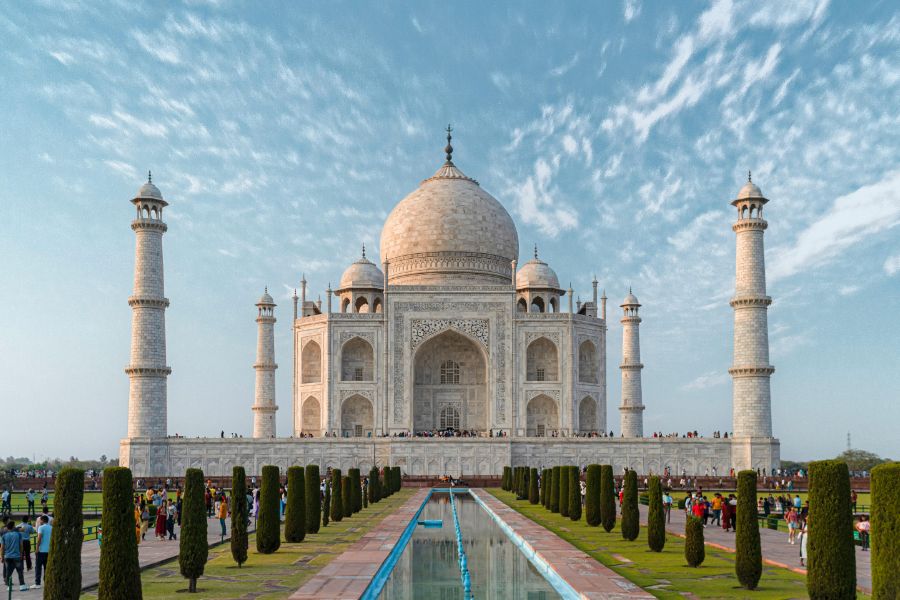
Built by Mughal emperor Shah Jahan in memory of his wife Mumtaz Mahal, the monument is renowned for its white marble architecture, symmetrical gardens, decorative details, and monumental dome.
Spend approximately two to three hours exploring the complex. Take time to admire the main mausoleum, photograph the surrounding gardens, and appreciate the architectural details.
A Taj Mahal Tour is not complete without allowing enough time to explore the monument rather than simply stopping for a few photographs.
If you are visiting with a professional guide, you can also learn about the history, architecture, symbolism, and stories associated with the monument.
What to See Inside the Taj Mahal Complex
The Taj Mahal complex contains more than the famous central dome.
Main Mausoleum
The central mausoleum is the most recognizable structure in the complex. Its white marble exterior features intricate decorative work and carved details.
Charbagh Gardens
The gardens follow the traditional Mughal charbagh design, with pathways and water channels creating a carefully balanced layout.
Mosque and Guest House
Two red sandstone buildings stand on either side of the main mausoleum. One is a mosque, while the other is commonly described as a guest house or jawab.
Yamuna River View
The rear side of the Taj Mahal overlooks the Yamuna River. This area provides another perspective of the monument and its surrounding landscape.
11:00 AM – Explore Agra Fort
After visiting the Taj Mahal, continue to Agra Fort.
Agra Fort is one of the most important historical monuments in the city. The massive red sandstone complex was developed and expanded by Mughal rulers and served as an imperial residence and stronghold.
Inside the fort, you can see impressive courtyards, halls, mosques, palaces, and other structures associated with the Mughal period.
Some areas also provide views toward the Taj Mahal across the Yamuna River.
Allow approximately one to two hours for your visit, depending on your interest in history and architecture.
1:00 PM – Lunch in Agra
After sightseeing, stop for lunch at a local restaurant.
Agra offers a variety of dining options, from traditional Indian cuisine to international dishes suitable for travelers with different preferences.
You can try local specialties or choose a familiar meal before continuing your sightseeing.
If you are traveling with children or elderly family members, taking a proper lunch break can also make the remainder of the day more comfortable.
2:00 PM – Explore Mehtab Bagh or Visit Itmad-ud-Daulah
Depending on your interests and available time, you can add another attraction to your itinerary.
Mehtab Bagh
Mehtab Bagh is located across the Yamuna River from the Taj Mahal and is known for its views toward the monument.
It can be an excellent option for travelers interested in photography and gardens.
Tomb of Itmad-ud-Daulah
Often associated with the development of Mughal decorative architecture, the Tomb of Itmad-ud-Daulah is another interesting monument in Agra.
The tomb is built largely from marble and features intricate decorative work.
If your priority is seeing the major landmarks without rushing, choose one of these attractions rather than trying to include too many stops.
3:30 PM – Agra Shopping
If you enjoy shopping, you can spend some time exploring Agra's local markets and handicraft shops.
Agra is known for marble inlay work, leather goods, textiles, handicrafts, and other traditional products.
Marble inlay items are particularly associated with the city's connection to the Taj Mahal's decorative traditions.
When shopping, compare prices and quality before making a purchase. If you are interested in handmade products, ask about how an item was made and whether it is genuinely handcrafted.
4:30 PM – Begin the Journey Back to Delhi
After completing your sightseeing in Agra, meet your driver and begin the return journey to Delhi.
The exact travel time can vary depending on traffic, road conditions, and your final destination in Delhi.
Because this is a same-day itinerary, it is better to leave Agra with enough time rather than extending the shopping or sightseeing portion too late.
8:00 PM – Arrive Back in Delhi
Depending on traffic and your drop-off location, you can expect to reach Delhi in the evening.
Your driver can drop you at your hotel, airport, or another agreed location.
This completes a full-day Agra experience without requiring an overnight stay.
Taj Mahal Tour Cost From Delhi by Car
The cost of a private trip depends on several factors, including the type of vehicle, number of travelers, guide services, entrance tickets, meals, and transportation arrangements.
A basic private car package may include:
- Hotel pick-up and drop-off
- Private air-conditioned vehicle
- Driver
- Fuel and highway tolls
- Parking charges
- Transportation between Agra attractions
Some packages may additionally include:
- Professional tour guide
- Monument entrance tickets
- Breakfast or lunch
- Bottled water
- Airport transfers
Always check what is included before booking so you can compare tour packages accurately.
Which Car Is Best for a Delhi to Agra Trip?
The ideal vehicle depends on your group size.
Sedan
A sedan is generally suitable for couples or small groups. It offers comfortable seating and is an economical choice for a private journey.
SUV
An SUV can be more comfortable for families or groups carrying larger amounts of luggage.
Larger Vehicles
For larger groups, a tempo traveller or similar vehicle can provide additional seating capacity.
Air conditioning is particularly useful when traveling during the hotter months.
Tips for Visiting the Taj Mahal
A few simple preparations can make your visit easier.
Start Early
Leaving Delhi early gives you more time in Agra and helps you avoid spending too much of the day on the road.
Wear Comfortable Shoes
The Taj Mahal complex and other Agra monuments involve considerable walking, so comfortable footwear is recommended.
Carry Identification
Keep the identification documents required for your travel and monument entry readily available.
Protect Yourself From the Sun
During warmer months, carry sunglasses, sunscreen, and drinking water.
Follow Monument Rules
Security restrictions apply at major monuments. Avoid carrying prohibited items and follow the instructions provided at the entrance.
Keep Your Itinerary Flexible
Road traffic and monument crowds can change during the day. A flexible itinerary allows you to enjoy the trip without unnecessary pressure.
Taj Mahal Tour for Families
A private car journey can be particularly convenient for families because you control the departure time and can take breaks when necessary.
Parents traveling with children can pack snacks, water, and entertainment for the road. Once in Agra, consider prioritizing the Taj Mahal and Agra Fort rather than trying to visit every attraction.
Older family members may also appreciate having a private vehicle available between sightseeing locations.
Taj Mahal Tour for Couples
Agra is a popular destination for couples because of the Taj Mahal's association with the story of Shah Jahan and Mumtaz Mahal.
Couples can enjoy an early morning visit to the monument, explore Agra Fort, have lunch together, and spend some time at Mehtab Bagh before returning to Delhi.
A private vehicle provides greater flexibility for couples who want a relaxed itinerary rather than following a large group tour.
Is a Same-Day Trip From Delhi to Agra Worth Planning?
For travelers with limited time in northern India, a same-day journey allows you to see some of Agra's most important landmarks without changing hotels.
The combination of a private car, early departure, and carefully planned sightseeing schedule can make it possible to experience the Taj Mahal, Agra Fort, local cuisine, and another attraction within one day.
However, travelers who want a slower experience may prefer staying overnight in Agra. An overnight stay allows additional time for attractions, local markets, photography, and experiencing the city after the main sightseeing hours.
Frequently Asked Questions
How long does it take to travel from Delhi to Agra by car?
The journey generally takes around 3 to 4 hours, depending on traffic, road conditions, and your starting location in Delhi.
Can I visit the Taj Mahal and Agra Fort in one day?
Yes. The Taj Mahal and Agra Fort can comfortably be included in a well-organized same-day itinerary.
What time should I leave Delhi?
An early morning departure, often around 5:00 AM, gives you more time for sightseeing in Agra and helps you make the most of the day.
Is a private car better for families?
A private car can provide greater flexibility for families because you can choose your departure time, make stops, and travel directly between attractions.
How much time should I spend at the Taj Mahal?
Around two to three hours is a reasonable amount of time for many visitors, although photography and personal interests can make the visit longer.
Can I include Fatehpur Sikri on the same day?
It is possible, but adding Fatehpur Sikri can make the itinerary considerably longer. If you want a relaxed Taj Mahal and Agra experience, focusing on Agra's main attractions may be more practical.
Final Thoughts
A same-day trip from Delhi to Agra by private car is a convenient way to experience one of India's most famous monuments while also discovering the city's rich Mughal heritage. With an early departure, you can visit the Taj Mahal, explore Agra Fort, enjoy local cuisine, and add another attraction before returning to Delhi in the evening.
A carefully planned Taj Mahal Tour gives you the flexibility to travel comfortably while making the most of your limited time. Choose a reliable vehicle, allow enough time for sightseeing, and keep your schedule flexible for traffic and crowds.
For travelers looking for a convenient introduction to Agra, a private Delhi-to-Agra car itinerary can provide an efficient and memorable day filled with history, architecture, culture, and unforgettable views of the Taj Mahal.