The Golden Triangle of India: A Journey Through History and Culture
December 18, 2025
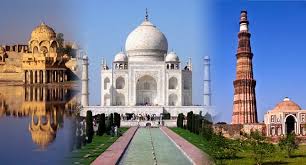
India's Golden Triangle: An Exploration of Culture and History
Overview
One of the most comprehensive methods to grasp the spirit of India is through the Golden Triangle of India: A Journey Through History and Culture. Delhi, Agra, and Jaipur are three ancient cities, each representing a distinct chapter in India’s long and fascinating history.
This itinerary offers deep cultural and historical insight, blending Rajput royalty, Mughal magnificence, ancient civilizations, and colonial influence. Temples, mosques, forts, palaces, markets, and traditions coexist seamlessly with modern life.
Comprehending India's Golden Triangle
What Is Unique About This Route?
The Golden Triangle connects Delhi, Agra, and Jaipur in northern India. Each city lies at a roughly equal distance from the others, making travel efficient and convenient.
- Delhi symbolizes ancient dynasties and modern India
- Agra represents the pinnacle of Mughal architecture
- Jaipur showcases Rajput royal heritage
Historical Significance of the Golden Triangle
The region was ruled by powerful dynasties such as the Rajputs, Mughals, and the British. Their monuments and cultural traditions continue to define the character of this historic circuit.
Delhi: A Living Historical Museum
Delhi’s Role in Indian Civilization
Delhi has served as the capital of several empires due to its strategic location, making it a center for trade, culture, and political power.
Ancient and Medieval Delhi
- Qutub Minar – 12th-century monument marking Islamic rule
- Purana Qila – Linked to the legendary city of Indraprastha
- Humayun’s Tomb – A precursor to Mughal architecture
Mughal Influence in Delhi
- Red Fort – Mughal administrative center
- Jama Masjid – Iconic Islamic architectural marvel
- Growth of Persian poetry, art, and cuisine
Colonial Era Delhi
- India Gate
- Rashtrapati Bhavan
- Broad boulevards and administrative buildings
Cultural Diversity of Delhi
- Temples, mosques, churches, and gurudwaras
- Festivals of all major religions
- Multilingual and multicultural population
Agra: Mughal Magnificence and Artistic Excellence
Agra as the Mughal Capital
During the Mughal era, Agra became a prominent center of governance, art, and architecture.
The Taj Mahal: History and Symbolism
- Built by Emperor Shah Jahan in the 17th century
- Symbol of eternal love
- Blend of Indian, Persian, and Islamic styles
- UNESCO World Heritage Site
Agra Fort: Power of the Throne
- Imperial residence of Mughal emperors
- Diwan-i-Aam and Diwan-i-Khas
- Private gardens and fortified architecture
Fatehpur Sikri: A Planned Capital
- Built by Emperor Akbar
- Buland Darwaza – Symbol of victory
- Reflection of religious tolerance
- Abandoned due to water scarcity
Cultural Life of Mughal Agra
- Persian-influenced poetry and music
- Miniature paintings
- Mughlai culinary traditions
Jaipur: The Cultural Heart of Rajasthan
Foundation of Jaipur
Founded in 1727 by Maharaja Sawai Jai Singh II, Jaipur was India’s first planned city.
Rajput Town Planning and Architecture
- Designed using Vastu Shastra principles
- Grid-based city layout
- Defensive gates and pink-colored buildings
Amber Fort: Symbol of Rajput Valor
- Blend of Rajput and Mughal architecture
- Intricate mirror work
- Royal halls and courtyards
City Palace: Royal Lifestyle Preserved
- Still home to the royal family
- Museums displaying royal artifacts
- Cultural ceremonies and events
Hawa Mahal: Social and Cultural Significance
- Allowed royal women to observe daily life unseen
- Symbol of social customs
- Iconic architectural landmark
Cultural Traditions in the Golden Triangle
Dance and Music
- Classical music traditions of Delhi
- Mughal-influenced performances in Agra
- Folk dances of Jaipur like Ghoomar and Kalbelia
Textiles and Apparel
- Delhi’s blend of modern and traditional fashion
- Agra’s embroidery and handicrafts
- Jaipur’s block printing and tie-dye textiles
Art and Handicrafts
- Marble inlay work from Agra
- Blue pottery of Jaipur
- Wood and metal crafts of Delhi
Major Festivals of the Golden Triangle
- Diwali – Festival of Lights
- Holi – Festival of Colors
- Eid and Christmas – Religious harmony
- Teej and Gangaur – Traditional Rajasthani festivals
The Culinary Heritage of the Golden Triangle
Cuisine of Delhi
- Street food traditions
- Mughlai dishes
- North Indian cuisine
Mughal Flavors of Agra
- Rich gravies and breads
- Famous sweets like petha
- Royal cooking techniques
Rajasthani Cuisine of Jaipur
- Dal Baati Churma
- Gatte ki Sabzi
- Ker Sangri
Best Time to Explore Culture and History
Seasonal Overview
- October to March – Ideal for sightseeing
- April to June – Hot but culturally active
- Monsoon – Lush landscapes and fewer crowds
Travel Tips for Cultural Exploration
- Hire knowledgeable local guides
- Visit monuments early in the day
- Respect religious customs
- Engage with local communities
- Try regional cuisine thoughtfully
The Cultural Journey of the Golden Triangle
The Golden Triangle of India offers an unparalleled cultural experience, revealing how centuries of rulers, religions, and traditions shaped northern India. From the ancient and Mughal landmarks of Delhi and Agra to the royal customs of Jaipur, this journey provides a deeper understanding of India’s enduring cultural legacy.