What Are the Best Same Day Tours from Delhi?
September 7, 2026
What Are the Best Same Day Tours from Delhi?
Delhi is one of the best starting points for exploring North India because of its excellent road and rail connections with historic cities, spiritual destinations, royal towns, and cultural attractions. If you have limited time but still want to experience something beyond the capital, a carefully planned day trip can give you an exciting change of scenery without requiring a hotel stay. From the world-famous Taj Mahal in Agra to the colorful streets of Jaipur and the peaceful temples of Mathura and Vrindavan, there are plenty of destinations that can fit into a single busy day.
Choosing the right Same Day Tours depends on what kind of experience you want. Are you interested in Mughal architecture, Hindu spirituality, royal palaces, local food, wildlife, or simply escaping the fast pace of Delhi? Each destination offers something different, and the key is to choose a place that matches your interests and allows enough time for sightseeing without making the journey exhausting.
Delhi offers several popular outstation routes for travelers who want to explore destinations such as Agra, Jaipur, Mathura, Vrindavan, Haridwar, Rishikesh, and other nearby attractions without staying overnight. With an early departure and a well-organized itinerary, these trips can provide an excellent introduction to the history, culture, architecture, and traditions of North India.
Why Take a Day Trip from Delhi?
Delhi has a unique advantage because several major tourist destinations can be reached within a single long day. Modern highways, expressways, trains, and private cars make these journeys easier to organize than they were in the past. Instead of spending several days planning a larger holiday, you can select one destination, leave early in the morning, explore the major attractions, enjoy a local meal, and return to Delhi by evening.
A day trip is particularly useful for business travelers, families with limited vacation time, international visitors staying in Delhi, and couples who want to add a short cultural experience to their itinerary. It can also be an excellent option for travelers who are already planning a Golden Triangle holiday but have one free day available. The important thing is not to overload your schedule. A successful day trip should feel like an adventure rather than a race, so choose two or three major attractions, start early, keep transportation flexible, and leave some buffer time for traffic and unexpected delays.
1. Delhi to Agra Same-Day Trip
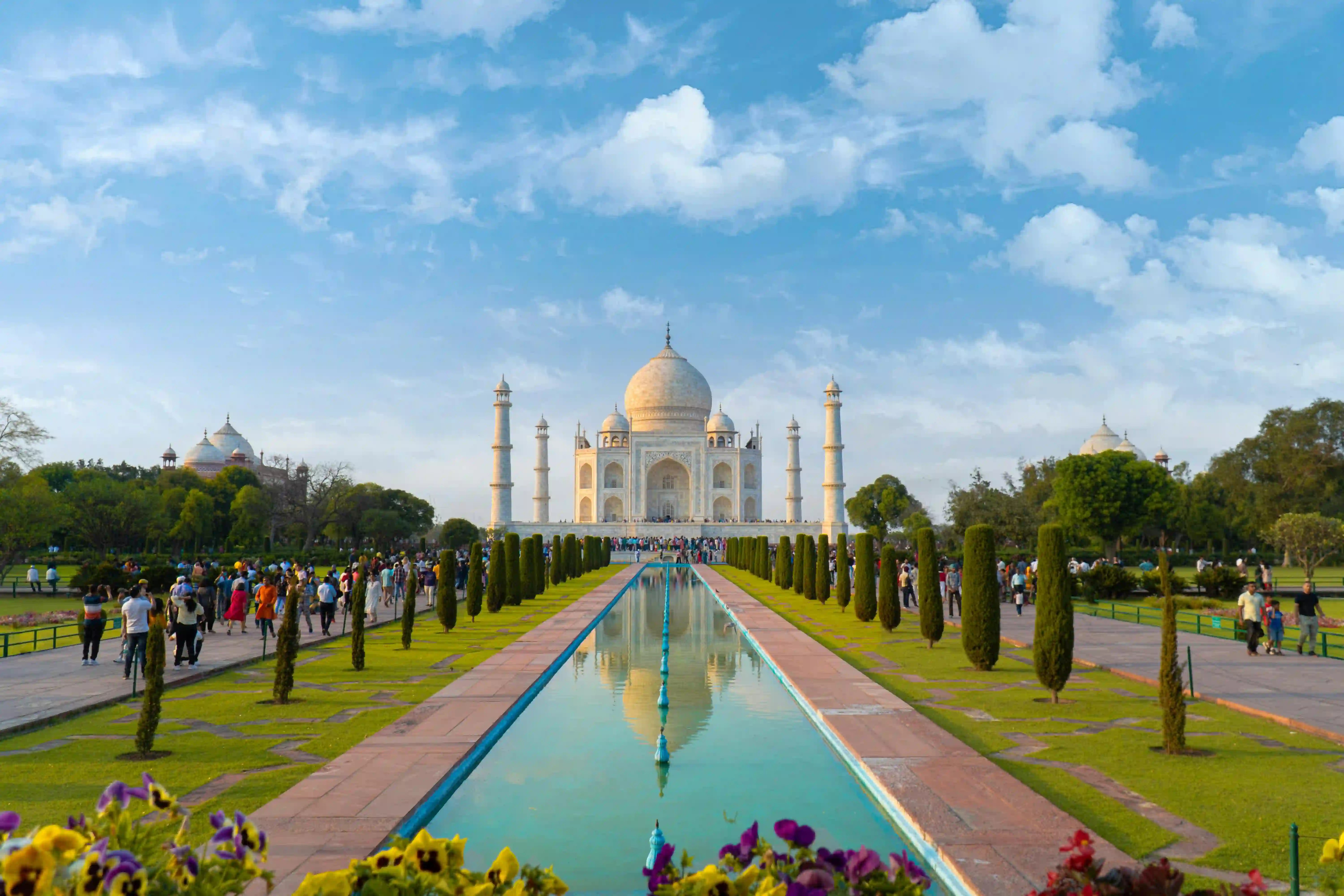
Agra is arguably the most popular choice for a day trip from Delhi, especially for first-time visitors to India. The city is famous for the Taj Mahal, Agra Fort, and its rich Mughal heritage. The Taj Mahal is one of India's most recognizable landmarks, making Agra an especially attractive destination for travelers who want to experience an iconic monument within a limited schedule.
A typical Agra day trip begins very early. Travelers can leave Delhi before sunrise, reach Agra in the morning, and start sightseeing soon after arrival. The Taj Mahal should normally be given priority because it is the main attraction and can require substantial time for security, entry, photography, and exploration. After the Taj Mahal, Agra Fort makes an excellent second major stop.
You can then enjoy lunch before visiting another attraction or beginning the return journey. Depending on your interests and available time, you could also consider Mehtab Bagh or a local handicraft shopping stop. Agra is particularly suitable for travelers who want a focused heritage experience rather than a packed itinerary covering too many destinations.
Suggested Agra One-Day Schedule
| Time | Activity |
|---|---|
| 5:00 AM | Depart from Delhi |
| 8:00 AM | Arrive in Agra, depending on traffic |
| 8:00–11:00 AM | Visit the Taj Mahal |
| 11:15 AM–1:00 PM | Explore Agra Fort |
| 1:00–2:00 PM | Lunch |
| 2:00–3:00 PM | Optional local sightseeing or shopping |
| 3:00–3:30 PM | Begin return journey |
| Evening | Arrive back in Delhi |
Actual travel time can vary significantly depending on traffic, road conditions, departure point, weather, and season. Treat the schedule as a planning framework rather than a guaranteed timetable. Starting early gives you a better chance of enjoying the major attractions without feeling rushed.
2. Delhi to Mathura and Vrindavan
If history and spirituality appeal to you more than grand palaces, Mathura and Vrindavan can be excellent choices. Mathura is traditionally associated with the early life of Lord Krishna, while Vrindavan is known for its numerous temples and devotional traditions. Together, these destinations offer travelers an opportunity to experience a different side of North Indian culture.
A practical itinerary could begin with Krishna Janmabhoomi in Mathura before moving toward Vrindavan. You can then visit one or two important temples and spend some time exploring the local atmosphere. If you are traveling during a major religious festival, expect significantly larger crowds and longer travel times.
Mathura and Vrindavan are particularly attractive for travelers who want a cultural and spiritual experience rather than a monument-focused sightseeing day. The atmosphere can be very different from Delhi, with temple bells, devotional music, colorful markets, and busy pilgrimage areas creating a distinctive travel experience.
3. Delhi to Jaipur in One Day
Jaipur is another famous destination that can be visited from Delhi in a long day, although it requires an early start and careful planning. Known as the Pink City, Jaipur combines Rajput architecture, colorful markets, forts, palaces, museums, traditional cuisine, and vibrant local culture.
Because Jaipur has many attractions, you should avoid trying to see everything in one visit. A focused itinerary might include Amber Fort in the morning, followed by City Palace and Jantar Mantar. You can make a short stop at Hawa Mahal for photographs and finish with an early evening meal before returning to Delhi.
Jaipur is best for travelers who enjoy architecture, history, photography, and cultural experiences and do not mind a long day on the road. If you are visiting Jaipur for the first time, prioritize the attractions that interest you most rather than attempting to cover every landmark.
Best Jaipur Attractions for a Day Trip
Amber Fort: Start here because it is outside central Jaipur and deserves enough time for exploration.
City Palace: A great choice for understanding Jaipur's royal history, architecture, and cultural heritage.
Jantar Mantar: An interesting attraction for travelers fascinated by astronomy, mathematics, and historic scientific instruments.
Hawa Mahal: One of Jaipur's most recognizable landmarks and an excellent photography stop.
Local Markets: If time allows, explore Jaipur's famous bazaars for textiles, handicrafts, jewelry, souvenirs, and traditional products.
4. Delhi to Haridwar and Rishikesh
For travelers looking for spirituality, river views, temples, yoga, and a change of atmosphere, Haridwar and Rishikesh are attractive options. However, combining both cities into a single day from Delhi can be demanding, so expectations should be realistic. The journey can take a significant portion of the day, leaving less time for sightseeing.
A better approach is to decide what matters most. If spirituality is your priority, concentrate on Haridwar and visit places such as Har Ki Pauri. If you prefer river scenery and a more relaxed atmosphere, spend more time around Rishikesh. Trying to visit every temple, ghat, bridge, and attraction in both destinations can make the day unnecessarily tiring.
Select a few experiences and enjoy them properly. Travelers who want a slower experience may prefer visiting only one of these destinations rather than attempting to combine both into a tightly packed itinerary.
5. Delhi to Fatehpur Sikri and Agra
If you are especially interested in Mughal history, combining Agra with Fatehpur Sikri can create a fascinating heritage-focused day trip. Fatehpur Sikri is famous for its red sandstone architecture and historic association with Emperor Akbar. The city provides an opportunity to see another important chapter of Mughal history beyond the Taj Mahal and Agra Fort.
The challenge is time. Delhi, Agra, and Fatehpur Sikri create a longer route, so an early departure is essential. You should also prioritize attractions instead of attempting to explore every corner. A practical route could be Delhi to Agra, followed by the Taj Mahal, Agra Fort, Fatehpur Sikri, and finally the return journey to Delhi.
Depending on traffic and monument timings, the schedule can become tight, so a private vehicle is usually more convenient than trying to coordinate multiple local transfers. This route is best for travelers who have a strong interest in history and are comfortable with a long sightseeing day.
6. Delhi to Neemrana
Neemrana is an interesting option for travelers who want something different from the major tourist cities. Instead of spending the day visiting multiple monuments, the attraction here is the historic atmosphere, heritage architecture, and opportunity to enjoy a slower travel experience.
Neemrana works particularly well for couples, families, and travelers who prefer a relaxed experience. You can enjoy heritage surroundings, have a leisurely meal, and spend time away from Delhi's crowded streets. This destination is better suited to people who value relaxation over ticking off a long sightseeing checklist.
If your goal is to see world-famous monuments, Agra will be a stronger choice. If your goal is to slow down and enjoy a heritage experience, Neemrana can be more appealing.
7. Delhi to Bharatpur Bird Sanctuary
Nature lovers can consider Bharatpur as an alternative to the usual monument-focused day trips. Bharatpur is home to Keoladeo National Park, a well-known destination for birdwatching and wildlife photography. A day here can feel completely different from sightseeing in Delhi or Agra because the focus shifts from architecture to nature.
The route can be particularly attractive during the cooler months when birdwatching conditions are often more comfortable. If you are interested in photography, birdwatching, or peaceful outdoor experiences, Bharatpur can be an excellent option.
However, check seasonal conditions, park timings, weather, and local travel arrangements before leaving Delhi. Nature-focused trips benefit from flexible planning because wildlife and bird activity cannot be controlled like a fixed sightseeing schedule.
How to Choose the Right Same-Day Destination
Choosing among different Same Day Tours is easier when you first decide what type of experience you want. Travelers interested in iconic architecture should select Agra, while people who love royal heritage may prefer Jaipur. Mathura and Vrindavan are better suited to spiritual travelers, while Haridwar and Rishikesh offer a combination of religious experiences and riverside scenery.
| Destination | Best For | Travel Style | Difficulty |
|---|---|---|---|
| Agra | Taj Mahal and Mughal history | Heritage | Easy–Moderate |
| Jaipur | Forts, palaces and culture | Heritage | Moderate |
| Mathura–Vrindavan | Temples and spirituality | Religious/Cultural | Moderate |
| Haridwar–Rishikesh | Ganga, temples and spirituality | Spiritual/Nature | Long Day |
| Fatehpur Sikri + Agra | Mughal history | Heritage | Long Day |
| Neemrana | Relaxation and heritage | Leisure | Easy |
| Bharatpur | Birds and nature | Wildlife/Nature | Moderate |
How to Plan a Comfortable Day Trip from Delhi
The biggest mistake travelers make is leaving too late. When your destination is several hours away, even a one-hour delay in the morning can force you to remove an important attraction from the itinerary. Start as early as practical, especially for Agra, Jaipur, and Haridwar–Rishikesh.
Transportation is equally important. A private car gives you greater flexibility because you can stop for food, adjust your schedule, and avoid changing vehicles. Trains can be excellent for destinations with convenient rail connections, particularly when you want to maximize sightseeing time rather than spend the entire day driving.
Check monument opening days and current ticketing information before departure. Attractions can have different opening hours, weekly closures, security procedures, or special arrangements. Official tourism websites are useful for verifying important information before traveling.
Food deserves some planning too. Rather than wasting valuable sightseeing time searching for a restaurant during peak lunch hours, identify a suitable place before the trip. Carry drinking water, sunglasses, comfortable footwear, sunscreen, and a small power bank because a full day of sightseeing can quickly drain your phone battery.
Most importantly, don't treat the itinerary like a competition. You are traveling to experience a destination, not simply to collect photographs. Two memorable attractions enjoyed comfortably are usually better than six attractions rushed through without really appreciating them.
Best Time for Day Trips from Delhi
The cooler months are generally more comfortable for extensive sightseeing in North India, particularly from around October through March. During winter, mornings can sometimes be foggy, especially around Delhi and along major road routes, so travelers should allow additional time for transportation.
Summer can be extremely hot, particularly when visiting open monuments and outdoor attractions. If traveling during hotter months, begin very early, schedule indoor attractions around midday, stay hydrated, and avoid spending unnecessary time outdoors during the strongest afternoon heat.
The monsoon season can bring greener landscapes and occasional rain but may also affect road travel. Always check the weather forecast shortly before departure rather than relying only on a seasonal assumption.
Are Same-Day Tours Worth It?
Yes, provided you choose the destination carefully. Same Day Tours are particularly useful when you have limited vacation time and want to experience one of North India's major attractions without changing hotels.
Agra is probably the strongest choice for first-time visitors because the Taj Mahal gives the trip a clear centerpiece. Jaipur is excellent for travelers fascinated by royal architecture and colorful culture, while Mathura and Vrindavan are ideal for those looking for spirituality and temple experiences.
The secret is realistic planning. Don't attempt a three-day itinerary in twelve hours. Pick your priority attractions, start early, use reliable transportation, and leave enough flexibility for traffic and unexpected delays.
Conclusion
Delhi's location makes it an outstanding base for exploring North India. Within a single day, you can stand before the Taj Mahal in Agra, admire the forts and palaces of Jaipur, experience the spiritual atmosphere of Mathura and Vrindavan, or explore the sacred landscapes around Haridwar and Rishikesh.
The best Same Day Tours are not necessarily the ones with the longest list of attractions. They are the trips that balance travel time, sightseeing, food, relaxation, and your personal interests. Agra is ideal for iconic heritage, Jaipur for royal culture, Mathura and Vrindavan for spirituality, and destinations such as Bharatpur or Neemrana for travelers seeking something less conventional.
Before booking your trip, check current attraction timings, road conditions, weather, and transportation schedules. With an early start and a realistic itinerary, a day outside Delhi can become one of the most memorable parts of your India trip.
FAQs About Same-Day Trips from Delhi
1. What is the best same-day trip from Delhi?
Agra is one of the best choices for a first-time traveler because you can combine the Taj Mahal and Agra Fort into a focused heritage experience. It is particularly suitable for travelers who want to see one of India's most famous monuments without staying overnight.
2. Can I visit Jaipur from Delhi and return on the same day?
Yes, Jaipur can be visited as a very long day trip from Delhi. Travelers should start early and keep the sightseeing plan focused on major attractions such as Amber Fort, City Palace, Jantar Mantar, and Hawa Mahal.
3. Can I visit Mathura and Vrindavan in one day from Delhi?
Yes. Mathura and Vrindavan can be combined into a day trip, particularly if you focus on a small number of important temples and religious sites rather than trying to see everything. Religious festivals can bring large crowds, so additional travel time may be necessary.
4. Which Delhi day trip is best for couples?
Agra is an excellent option for couples because the Taj Mahal provides a memorable romantic setting. Neemrana can also suit couples who prefer a quieter heritage and leisure experience.
5. Should I take a train or private car for a Delhi day trip?
Both can work. A train can save driving time on suitable routes, while a private car provides greater flexibility for multiple attractions and stops. For destinations requiring several local transfers, a private vehicle can make the itinerary easier to manage.