What Are the Best Things to Do on a Jaipur Sightseeing Tour?
Jaipur, famously known as the Pink City of India, is a destination where royal heritage, magnificent architecture, colorful bazaars, and vibrant culture come together to create an unforgettable travel experience. As the capital of Rajasthan, Jaipur welcomes millions of visitors every year who come to admire its majestic forts, grand palaces, ancient temples, and lively streets filled with traditional crafts and delicious cuisine. Whether you are a history enthusiast, a photography lover, a food explorer, or someone looking to experience authentic Rajasthani culture, Jaipur has something extraordinary to offer.
A well-planned Jaipur Sightseeing Tour allows travelers to explore the city's most iconic attractions while learning about the fascinating stories behind its royal past. Every monument reflects the artistic brilliance of the Rajput rulers, while the bustling local markets showcase traditions that have been preserved for centuries. The city effortlessly blends historical grandeur with modern hospitality, making it one of India's most popular tourist destinations.
If you're planning your first visit, you might wonder which attractions deserve your time. The answer depends on your interests, but there are several landmarks and cultural experiences that should never be missed. From the magnificent Amber Fort and the elegant City Palace to colorful markets and authentic Rajasthani cuisine, Jaipur offers countless memorable experiences that make every journey worthwhile.
Discover the Magnificent Amber Fort
No visit to Jaipur is complete without exploring the spectacular Amber Fort, one of Rajasthan's most famous historical landmarks. Located on a hill overlooking Maota Lake, this UNESCO World Heritage Site showcases the incredible architectural brilliance of the Rajput era. Built primarily from red sandstone and white marble, the fort combines Hindu and Mughal architectural styles in a truly remarkable way.
Walking through Amber Fort feels like stepping back into the royal era. Visitors can admire the grand courtyards, beautifully decorated halls, intricate mirror work inside the famous Sheesh Mahal, and elegant gateways that once welcomed kings and nobles. Every section of the fort tells a story of bravery, luxury, and artistic excellence.
The panoramic views from the fort are equally breathtaking. From the ramparts, visitors can enjoy stunning views of the surrounding Aravalli Hills and Jaipur city. Early morning visits provide cooler temperatures and softer lighting, making the experience even more enjoyable for photographers and history enthusiasts alike.
For anyone planning a Jaipur Sightseeing Tour, Amber Fort should be the very first stop because it perfectly represents Jaipur's royal heritage.
Explore the Royal City Palace
Located in the heart of Jaipur, the City Palace continues to serve as one of the city's most important cultural landmarks. Built during the eighteenth century by Maharaja Sawai Jai Singh II, the palace remains partly occupied by the royal family while several sections have been transformed into museums open to visitors.
Inside the palace complex, you'll discover beautifully decorated courtyards, elegant gardens, royal halls, museums displaying ancient weapons, royal costumes, manuscripts, and priceless artifacts. The famous Peacock Gate, with its colorful artwork representing different seasons, has become one of Jaipur's most photographed locations.
Visitors are often impressed by the seamless blend of Rajput, Mughal, and European architectural styles throughout the palace complex. Every room demonstrates remarkable craftsmanship through marble floors, carved balconies, painted ceilings, and decorative arches.
Exploring the City Palace provides valuable insight into the lifestyle of Jaipur's royal family while offering countless opportunities for photography and cultural learning.
Admire the Beauty of Hawa Mahal
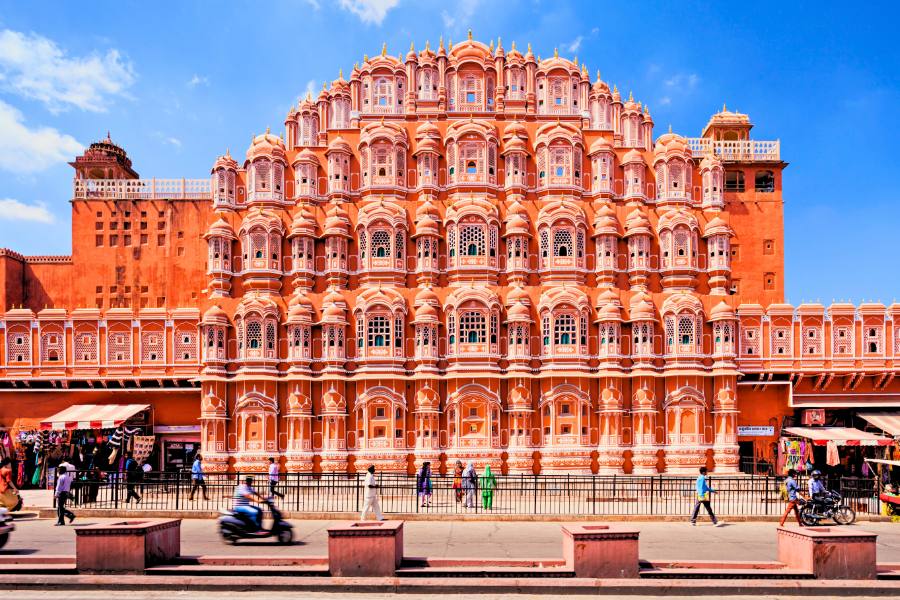
The Hawa Mahal, or Palace of Winds, is undoubtedly Jaipur's most recognizable landmark. Constructed in 1799, this extraordinary five-story building features 953 small windows, known as jharokhas, allowing royal women to observe city life without being seen by the public.
Its unique honeycomb-shaped façade creates an architectural masterpiece unlike any other in India. Built from pink and red sandstone, the palace reflects Jaipur's nickname as the Pink City while showcasing the elegance of Rajput architecture.
Although the exterior is world-famous, visitors should also explore the interior, where narrow passageways, charming courtyards, and elevated viewpoints provide beautiful perspectives of Jaipur's busy streets and nearby monuments.
Sunrise offers one of the best times to photograph Hawa Mahal, as the early morning sunlight beautifully illuminates its intricate façade.
Visit Jantar Mantar: A Scientific Marvel
Located next to the City Palace, Jantar Mantar is another UNESCO World Heritage Site that fascinates travelers interested in astronomy and science. Built by Maharaja Sawai Jai Singh II, this remarkable observatory contains nineteen astronomical instruments designed to measure time, predict eclipses, and observe celestial bodies.
The world's largest stone sundial, known as Samrat Yantra, remains incredibly accurate even today. Walking through the observatory provides visitors with an appreciation for the scientific knowledge and engineering skills developed centuries ago.
Unlike modern observatories filled with electronic equipment, Jantar Mantar relies entirely on carefully designed stone structures that continue functioning with remarkable precision.
For history lovers, science enthusiasts, and students, this attraction offers an educational experience unlike any other.
Experience Jal Mahal from the Lakefront
Situated in the middle of Man Sagar Lake, Jal Mahal appears to float gracefully on the water, creating one of Jaipur's most picturesque scenes. Although visitors cannot enter the palace itself, the surrounding promenade offers spectacular views, especially during sunrise and sunset.
The palace combines Rajput and Mughal architectural styles while providing a peaceful escape from Jaipur's busy streets. The reflection of the palace on the calm waters creates outstanding photography opportunities throughout the day.
The nearby walking area also features local handicraft stalls, snack vendors, and viewpoints where visitors can relax while enjoying the scenic surroundings.
Explore Nahargarh Fort for Stunning Views
Perched high in the Aravalli Hills, Nahargarh Fort offers one of the most breathtaking panoramic views of Jaipur. Originally built in 1734 by Maharaja Sawai Jai Singh II, the fort served as a defensive structure protecting the Pink City while also functioning as a royal retreat. Today, it has become one of Jaipur's most popular attractions for travelers seeking history, photography, and spectacular scenery.
The fort features elegant corridors, beautifully decorated rooms, ancient watchtowers, and courtyards that provide insight into the lifestyle of Jaipur's royal family. One of the highlights is Madhavendra Bhawan, a palace built for the king and his queens. The symmetrical layout and beautifully painted interiors demonstrate the architectural brilliance of the Rajput era.
Many visitors choose to arrive during the late afternoon when the weather becomes pleasant. Watching the sunset from Nahargarh Fort is an unforgettable experience, as the golden light spreads across Jaipur's pink-colored buildings and distant hills. It is easy to understand why this location remains a favorite among photographers and nature lovers.
Every Jaipur Sightseeing Tour becomes even more memorable with a visit to Nahargarh Fort, where history and natural beauty come together perfectly.
Discover Jaigarh Fort and the World's Largest Cannon
Located close to Amber Fort, Jaigarh Fort is another remarkable destination that deserves a place on your itinerary. Known as the "Fort of Victory," it was built primarily to protect Amber Fort and the surrounding region. Unlike many decorative palaces, Jaigarh was designed as a military fortress, giving visitors a unique perspective on Rajasthan's defensive architecture.
One of the biggest attractions inside the fort is Jaivana Cannon, widely recognized as one of the world's largest wheeled cannons. Although it was rarely used in battle, the cannon symbolizes the engineering achievements and military strength of the Rajput rulers.
Visitors can also explore ancient armories, underground water storage systems, watchtowers, temples, and expansive courtyards. The fort's elevated location offers excellent views of Amber Fort, Maota Lake, and the surrounding Aravalli landscape.
Walking through Jaigarh Fort allows travelers to appreciate the strategic planning and engineering techniques that helped protect Jaipur for centuries.
Visit Albert Hall Museum
For travelers interested in art, history, and culture, Albert Hall Museum is one of Jaipur's finest attractions. Built in the Indo-Saracenic architectural style, the museum houses an impressive collection of paintings, sculptures, miniature artworks, coins, textiles, musical instruments, and ancient artifacts collected from different regions of India.
One of the museum's most fascinating exhibits is an Egyptian mummy, which surprises many first-time visitors. Alongside it, beautifully preserved royal costumes, pottery, carpets, and decorative arts provide valuable insight into Rajasthan's rich artistic traditions.
The museum itself is equally impressive. Its elegant arches, domes, and intricate carvings become especially beautiful after sunset when the entire building is illuminated with colorful lights. The surrounding Ram Niwas Garden also offers a peaceful place to relax after exploring the exhibits.
Whether you're passionate about history or simply curious about Rajasthan's cultural heritage, Albert Hall Museum provides an enriching experience that complements Jaipur's royal monuments.
Shop in Jaipur's Famous Bazaars
No trip to Jaipur is complete without experiencing its vibrant traditional markets. Shopping here is not simply about buying souvenirs—it is an opportunity to witness centuries-old craftsmanship that continues to thrive today. Jaipur's colorful bazaars are filled with skilled artisans creating handmade jewelry, textiles, pottery, paintings, leather goods, and traditional clothing.
Johari Bazaar is renowned for its precious gemstones, gold jewelry, and silver ornaments. Bapu Bazaar attracts visitors looking for colorful textiles, Mojari footwear, handicrafts, and affordable souvenirs. Tripolia Bazaar is famous for brassware, carpets, and beautifully crafted lac bangles, while Chandpole Bazaar offers marble sculptures and traditional handicrafts.
Walking through these lively markets is an experience in itself. Brightly colored storefronts, friendly shopkeepers, traditional architecture, and the aroma of local snacks create a vibrant atmosphere that reflects Jaipur's cultural identity.
Shopping also supports local artisans whose skills have been passed down through generations, making every purchase meaningful as well as memorable.
Enjoy Authentic Rajasthani Cuisine
Food plays an essential role in understanding Jaipur's culture. The city's traditional cuisine reflects Rajasthan's royal heritage while offering rich flavors that leave lasting memories. From luxurious royal dishes to simple street food, Jaipur caters to every palate.
One of the must-try dishes is Dal Baati Churma, a classic Rajasthani meal featuring baked wheat dumplings served with lentils and sweet crushed wheat. Other local specialties include Gatte Ki Sabzi, Ker Sangri, Laal Maas, Pyaaz Kachori, Mirchi Vada, and Ghewar, a famous dessert especially popular during festivals.
Street food lovers will find countless options throughout Jaipur's old city. Freshly prepared kachoris, samosas, lassi, kulfi, and traditional sweets are available from family-owned shops that have served customers for decades.
Dining at a heritage restaurant or palace hotel adds another dimension to the culinary experience. Many establishments feature live folk music, traditional dance performances, and royal-style interiors that transport visitors back to Rajasthan's regal past.
Experience Rajasthan's Cultural Performances
Jaipur is not only famous for monuments but also for its vibrant performing arts. Traditional Rajasthani folk dances, puppet shows, and live music performances allow visitors to experience the region's rich cultural traditions firsthand.
Popular performances include Ghoomar and Kalbelia dances, accompanied by traditional instruments such as the dholak, sarangi, and algoza. These energetic performances showcase colorful costumes, graceful movements, and centuries-old storytelling traditions.
Many cultural villages and heritage hotels organize evening entertainment featuring local artists. Visitors often enjoy interactive performances where they can participate in dancing, music, and traditional games while learning about Rajasthan's customs.
Adding a cultural evening to your Jaipur Sightseeing Tour provides a deeper appreciation of the traditions that continue to shape the city's identity today.
Take a Heritage Walk Through the Pink City
One of the most rewarding experiences in Jaipur is exploring the old city on foot. A heritage walk allows visitors to discover the hidden stories behind the Pink City's historic lanes, beautifully painted buildings, ancient temples, and bustling local markets. Unlike traveling by car, walking gives you the opportunity to appreciate Jaipur's architectural details, interact with local residents, and witness everyday life that has remained largely unchanged for generations.
During a heritage walk, you'll pass through famous gates such as Ajmeri Gate, Sanganeri Gate, and Chandpole Gate while admiring the city's unique grid-based planning introduced by Maharaja Sawai Jai Singh II. Along the way, you'll encounter colorful murals, traditional havelis, historic temples, and family-owned shops selling handcrafted goods. Many guided walks also include fascinating stories about Jaipur's royal history, local legends, and architectural innovations.
Photography enthusiasts especially enjoy capturing the vibrant colors, intricate balconies, carved windows, and lively street scenes that make Jaipur one of India's most photogenic cities. Every corner reveals something unique, from flower markets and spice shops to hidden courtyards filled with traditional artwork.
A heritage walk offers a slower, more immersive way to experience Jaipur and is highly recommended for travelers who want to connect with the city's authentic atmosphere.
Visit Birla Mandir
Located at the base of Moti Dungri Hill, Birla Mandir is one of Jaipur's most beautiful modern temples. Constructed entirely from pristine white marble, the temple is dedicated to Lord Vishnu and Goddess Lakshmi. Its peaceful surroundings and elegant architecture make it a popular destination for both pilgrims and tourists.
The temple's finely carved walls feature scenes from Hindu mythology along with images of philosophers, saints, and influential historical figures. Inside, the beautifully decorated sanctum creates a calm and spiritual atmosphere that contrasts with Jaipur's busy streets.
Visiting Birla Mandir during the evening is particularly rewarding, as the temple becomes illuminated with soft lighting that enhances its marble architecture. The peaceful gardens surrounding the temple provide an excellent place to relax and reflect after a busy day of sightseeing.
Whether you're interested in architecture, spirituality, or simply seeking a peaceful environment, Birla Mandir is a worthwhile addition to your Jaipur itinerary.
Best Time to Visit Jaipur
Choosing the right season can greatly enhance your sightseeing experience. The ideal time to visit Jaipur is between October and March, when the weather is cool and comfortable for exploring outdoor attractions. Daytime temperatures remain pleasant, making it easier to spend several hours visiting forts, palaces, gardens, and local markets.
Winter is also the season when Jaipur hosts several colorful festivals and cultural events. Celebrations such as the Jaipur Literature Festival, Kite Festival, and various folk performances provide visitors with additional opportunities to experience the city's vibrant traditions.
The summer months from April to June can be extremely hot, with temperatures often exceeding 40°C (104°F). If traveling during this period, early morning and late afternoon sightseeing are recommended. The monsoon season, from July to September, brings occasional rainfall that refreshes the city and enhances the beauty of its gardens and surrounding hills while attracting fewer tourists.
Regardless of the season, planning your schedule carefully ensures a comfortable and memorable journey through Jaipur's remarkable attractions.
Tips for Planning the Perfect Jaipur Sightseeing Tour
A little preparation goes a long way when exploring Jaipur. Start your day early to avoid traffic and enjoy cooler temperatures at popular monuments such as Amber Fort and Hawa Mahal. Wearing comfortable walking shoes is essential because many attractions involve climbing stairs and walking across large palace complexes.
Carry sunscreen, sunglasses, a reusable water bottle, and a hat to stay comfortable during outdoor sightseeing. Modest clothing is recommended when visiting temples and religious sites, and keeping some cash on hand is useful for shopping in traditional markets where smaller vendors may not accept digital payments.
Hiring a knowledgeable local guide can significantly enrich your experience. Guides share fascinating historical facts, architectural details, and local stories that often go unnoticed by independent travelers. They can also help you navigate busy attractions efficiently, allowing you to make the most of your time.
If possible, reserve at least two days for Jaipur. While one day covers the city's highlights, a longer stay allows you to explore lesser-known attractions, enjoy cultural performances, and experience the relaxed charm of the Pink City at your own pace. Every Jaipur Sightseeing Tour becomes more enjoyable with a well-planned itinerary that balances sightseeing, relaxation, and local experiences.
Conclusion
Jaipur is a city where history, architecture, culture, and tradition come together to create one of India's most unforgettable travel destinations. Every fort, palace, temple, and market reflects the grandeur of Rajasthan's royal heritage while offering visitors countless opportunities to learn, explore, and create lasting memories. Whether you're admiring the mirror work of Amber Fort, photographing the iconic Hawa Mahal, shopping in vibrant bazaars, or tasting authentic Rajasthani cuisine, every experience reveals a new side of Jaipur's timeless charm.
The best itinerary combines famous landmarks with local cultural experiences, allowing travelers to appreciate both the city's royal legacy and its vibrant everyday life. Exploring historical monuments alongside traditional markets, museums, and cultural performances creates a well-rounded journey that appeals to visitors of all ages.
Whether you're visiting Jaipur for the first time or returning to discover more of its hidden treasures, a carefully planned Jaipur Sightseeing Tour offers an unforgettable adventure. From sunrise at Amber Fort to sunset at Nahargarh Fort, every moment in the Pink City leaves a lasting impression and inspires travelers to return again.
Frequently Asked Questions
1. What are the top attractions to visit during a Jaipur Sightseeing Tour?
The must-visit attractions include Amber Fort, City Palace, Hawa Mahal, Jantar Mantar, Jal Mahal, Nahargarh Fort, Jaigarh Fort, Albert Hall Museum, Birla Mandir, and the colorful bazaars of Jaipur.
2. How many days are enough to explore Jaipur?
Two to three days are ideal for exploring Jaipur comfortably. This allows enough time to visit the major monuments, enjoy shopping, experience local cuisine, and attend cultural performances.
3. What is the best time to visit Jaipur?
The best time to visit Jaipur is between October and March when the weather is pleasant and ideal for sightseeing. Winter also features several colorful festivals that enhance the travel experience.
4. Is one day enough for a Jaipur Sightseeing Tour?
Yes. With proper planning, you can cover the city's major attractions in one day. However, spending at least two days provides a richer experience and allows you to explore Jaipur at a relaxed pace.
5. Is Jaipur suitable for family vacations?
Absolutely. Jaipur is an excellent destination for families, couples, solo travelers, and history enthusiasts. The city offers magnificent historical monuments, cultural attractions, delicious local cuisine, shopping opportunities, and memorable experiences for visitors of every age.