What is included in a Golden Triangle tour?
July 21, 2026
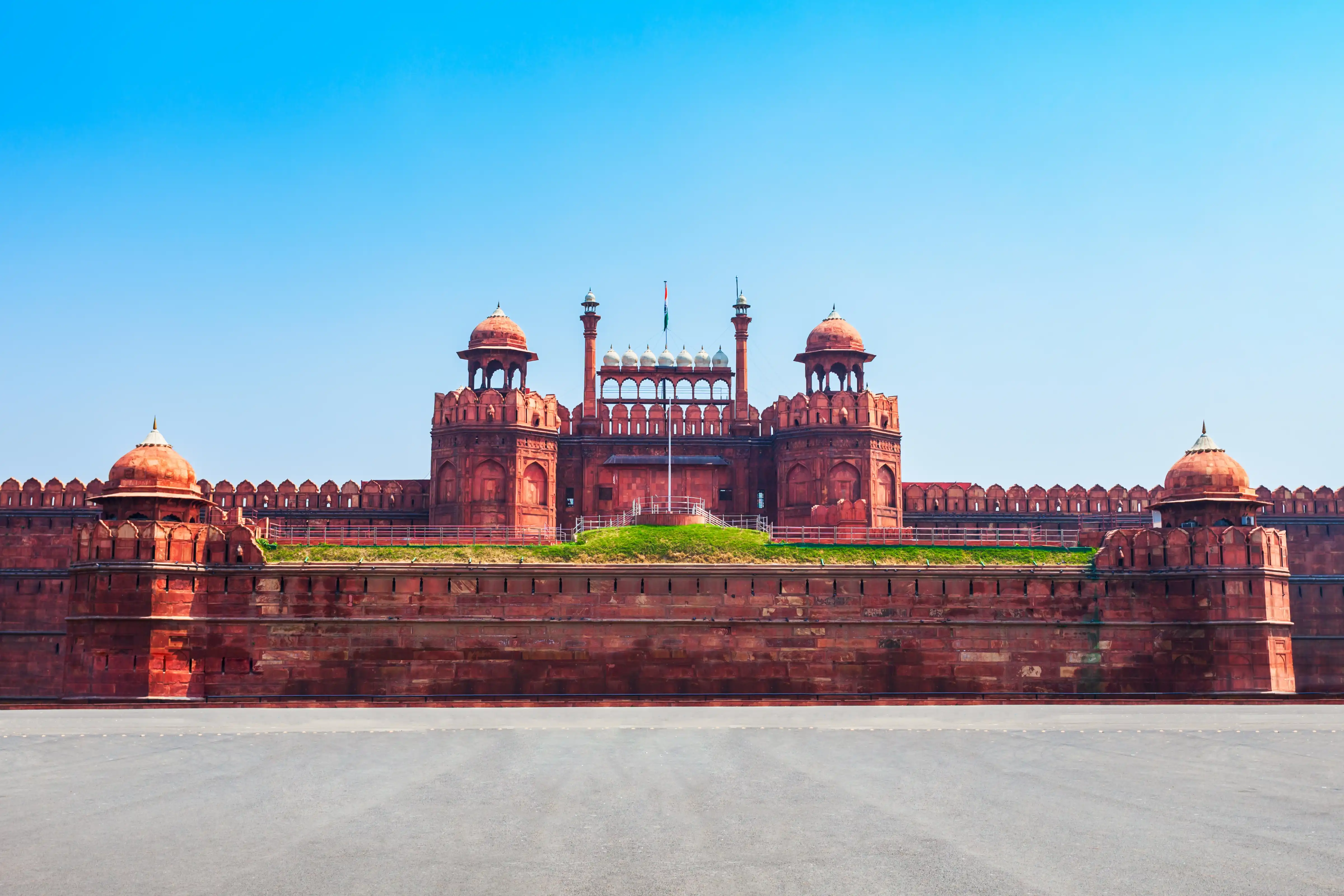
What Is Included in a Golden Triangle Tour? A Complete Guide for First-Time Travelers (2026)
India is a land of extraordinary diversity, where ancient traditions blend seamlessly with modern cities, colorful festivals, majestic palaces, and architectural wonders. If you're planning your first trip to India, one itinerary consistently stands out above all others—the Golden Triangle Tour. This iconic travel circuit connects three of India's most fascinating destinations: Delhi, Agra, and Jaipur. Together, these cities showcase the country's rich history, Mughal heritage, royal palaces, vibrant culture, delicious cuisine, and unforgettable landmarks.
One of the biggest reasons why travelers choose a Golden Triangle tour is convenience. The three cities form a triangle on the map, each located approximately 200–280 kilometers apart, making transportation comfortable and efficient. Whether you travel by private car, luxury coach, train, or customized guided tour, the route allows you to experience India's most celebrated attractions within five to seven days.
But what exactly is included in a Golden Triangle itinerary? Is it only about visiting the Taj Mahal, or is there much more waiting to be discovered? The answer is that a well-planned Golden Triangle package offers a complete introduction to India. From UNESCO World Heritage Sites and bustling local markets to royal palaces, cultural performances, authentic cuisine, and luxurious accommodations, every day presents something entirely different.
Whether you're a solo traveler, honeymoon couple, family, photographer, or cultural enthusiast, this journey provides a balanced mix of history, architecture, spirituality, shopping, and local experiences. That is why millions of international tourists book a Golden Triangle Tour every year as their first introduction to Incredible India.
Why Is It Called the Golden Triangle?
The name "Golden Triangle" comes from the geographical shape created by Delhi, Agra, and Jaipur on the map of northern India. These three historic cities form a triangle and collectively represent three unique chapters of India's incredible history.
Delhi introduces visitors to India's vibrant capital city, where centuries-old Mughal monuments stand alongside modern government buildings, luxury shopping districts, and lively street markets.
Agra showcases the grandeur of the Mughal Empire through world-famous architectural masterpieces, including the Taj Mahal and Agra Fort.
Jaipur, famously known as the Pink City, reflects Rajasthan's royal heritage with magnificent forts, colorful bazaars, majestic palaces, and traditional craftsmanship.
Each destination offers a completely different atmosphere, making the journey exciting from beginning to end. Instead of seeing only one side of India, travelers experience the country's historical evolution through three remarkable cities.
Destinations Included in a Golden Triangle Tour
Every standard itinerary covers three iconic cities, although premium packages often include additional destinations such as Ranthambore National Park, Udaipur, Pushkar, or Varanasi.
Delhi – India's Historic Capital
The journey usually begins in Delhi, where visitors discover a fascinating combination of old-world charm and contemporary urban life. As the capital of India, Delhi perfectly blends centuries of history with modern infrastructure, creating an unforgettable experience for every traveler. From magnificent Mughal monuments to bustling local markets and colonial-era landmarks, the city offers something for everyone.
Most guided itineraries include visits to several iconic attractions that highlight Delhi's cultural and historical significance.
- Red Fort
- India Gate
- Qutub Minar
- Humayun's Tomb
- Jama Masjid
- Lotus Temple
- Raj Ghat
- Rashtrapati Bhavan (Drive Past)
- Parliament House (Drive Past)
- Chandni Chowk Market
Old Delhi offers narrow streets filled with spice markets, traditional sweet shops, street food vendors, and centuries-old architecture. Visitors can experience the city's vibrant atmosphere while exploring colorful bazaars filled with textiles, jewelry, handicrafts, and delicious local snacks.
In contrast, New Delhi features wide boulevards, beautifully landscaped gardens, luxury hotels, shopping malls, diplomatic enclaves, and important government buildings. This contrast between Old and New Delhi gives travelers a deeper understanding of India's fascinating transformation through history.
Many packages also include an exciting rickshaw ride through Chandni Chowk, allowing visitors to experience one of Asia's oldest and busiest marketplaces from a unique perspective.
Agra – Home of the Taj Mahal
Agra forms the emotional centerpiece of every Golden Triangle Tour. This historic Mughal city attracts millions of visitors every year because it is home to one of the world's most admired architectural masterpieces.
The city's biggest attraction is undoubtedly the Taj Mahal, one of the Seven Wonders of the World and a UNESCO World Heritage Site. Built by Emperor Shah Jahan in memory of his beloved wife Mumtaz Mahal, this breathtaking white marble monument symbolizes eternal love and remains India's most photographed landmark.
Besides the Taj Mahal, visitors usually explore several other remarkable attractions.
- Agra Fort
- Mehtab Bagh
- Itmad-ud-Daulah (Baby Taj)
- Local Marble Inlay Workshops
Most itineraries recommend visiting the Taj Mahal during sunrise when the soft golden light beautifully illuminates the marble surface while offering fewer crowds and ideal photography conditions.
Shopping enthusiasts will also enjoy Agra's famous handicraft markets, where skilled artisans create marble inlay products, leather goods, carpets, jewelry, brassware, and decorative souvenirs. Visitors should also taste the city's famous sweet delicacy known as Petha before continuing their journey.
Jaipur – The Royal Pink City
The final destination introduces travelers to Rajasthan's royal traditions, colorful culture, and magnificent architecture. Jaipur, affectionately known as the Pink City, is famous for its grand forts, elegant palaces, vibrant markets, and centuries-old craftsmanship that continue to attract visitors from around the world.
Most sightseeing tours include the city's most iconic attractions.
- Amber Fort
- City Palace
- Hawa Mahal
- Jantar Mantar
- Jal Mahal
- Albert Hall Museum
- Birla Temple
Visitors often enjoy traditional cultural performances featuring Rajasthani folk dances, puppet shows, live music, camel rides, and authentic local cuisine. These cultural experiences provide a deeper appreciation of Rajasthan's rich heritage and vibrant traditions.
Jaipur's bustling bazaars are among the finest shopping destinations in India. Travelers can purchase handcrafted textiles, gemstones, blue pottery, leather products, block-printed fabrics, silver jewelry, and beautifully handcrafted souvenirs created by local artisans. Exploring these lively markets is often considered one of the highlights of every Golden Triangle Tour.
Accommodation Included in a Golden Triangle Tour
One of the biggest advantages of booking a professionally organized travel package is the convenience of pre-arranged accommodation. Most Golden Triangle Tour packages include hotel stays in all three cities, allowing travelers to focus entirely on sightseeing instead of worrying about finding suitable places to stay. Depending on your budget, you can choose from comfortable three-star hotels, premium four-star properties, luxurious five-star resorts, or heritage hotels that reflect India's royal architectural style and warm hospitality.
Budget hotels generally provide clean, comfortable rooms with modern amenities such as complimentary breakfast, Wi-Fi, air conditioning, and convenient locations near major tourist attractions. Mid-range hotels often feature swimming pools, fitness centers, multi-cuisine restaurants, business facilities, and spacious family rooms. Luxury travelers can experience world-class hospitality at internationally recognized hotel brands or beautifully restored heritage palaces that combine royal elegance with modern comfort.
Many premium travel packages also include early check-in assistance, airport transfers, luggage handling, welcome drinks, and personalized guest services. Staying in carefully selected accommodations not only enhances your overall comfort but also reduces travel time between attractions, helping visitors make the most of every day during their journey.
Transportation Throughout the Journey
Transportation is one of the most valuable inclusions in almost every Golden Triangle package. Since Delhi, Agra, and Jaipur are connected by modern highways and excellent railway infrastructure, travelers can enjoy comfortable and efficient travel throughout the itinerary.
Private air-conditioned vehicles remain the most popular choice because they provide flexibility, privacy, and convenience. Travelers can stop for photography, refreshments, or short sightseeing breaks whenever they wish instead of following rigid schedules. Families and small groups especially appreciate the comfort of personalized transportation.
Luxury tour packages often include premium SUVs, executive sedans, or luxury vans with professional chauffeurs. Larger travel groups usually enjoy spacious tourist coaches equipped with reclining seats, air conditioning, and onboard amenities for maximum comfort during longer drives.
Some travelers also choose to combine road transport with high-speed rail services such as the Gatimaan Express or Vande Bharat Express, which significantly reduce travel time between Delhi and Agra while offering a unique railway experience.
Airport pickup and drop-off services are commonly included, ensuring a smooth and hassle-free experience from the moment travelers arrive in India until their departure.
Meals Included in the Package
Food is an essential part of every Indian holiday, and many Golden Triangle packages include daily breakfast along with selected lunches or dinners depending on the itinerary.
Breakfast is usually served at the hotel and offers a combination of Indian and continental dishes. Guests can enjoy fresh fruits, cereals, eggs, toast, pastries, parathas, idlis, dosas, tea, coffee, and fresh fruit juices before beginning a day of sightseeing.
Premium packages frequently introduce travelers to India's diverse culinary traditions through authentic regional dining experiences.
- Delhi: Butter Chicken, Chole Bhature, Mughlai cuisine, Kebabs
- Agra: Mughlai curries, Biryani, Tandoori dishes, Petha sweets
- Jaipur: Dal Baati Churma, Laal Maas, Ker Sangri, Gatte ki Sabzi, traditional Rajasthani desserts
Most tour operators are also happy to accommodate vegetarian, vegan, gluten-free, Jain, and other dietary preferences when informed in advance.
Professional Tour Guides
A knowledgeable local guide can significantly enhance your overall travel experience. Most quality Golden Triangle packages include licensed English-speaking guides who accompany visitors at major monuments, forts, palaces, and UNESCO World Heritage Sites.
Rather than simply walking through historical landmarks, travelers gain fascinating insights into India's history, architecture, legends, royal dynasties, and cultural traditions. Professional guides explain intricate marble carvings, Mughal engineering techniques, astronomical instruments, royal lifestyles, and historical events that many independent travelers might otherwise overlook.
Many operators also provide multilingual guides for guests from Europe, Asia, South America, and the Middle East, ensuring visitors enjoy informative and engaging sightseeing regardless of their native language.
For first-time visitors especially, guided sightseeing saves valuable time while creating a deeper appreciation for India's remarkable heritage.
Monument Entry Tickets
Some travel packages include entrance tickets to India's most famous monuments, while others offer them as optional add-ons depending on the package category.
When admission tickets are included, travelers enjoy a much smoother sightseeing experience without waiting in long ticket queues at popular attractions.
Monuments commonly included are:
- Taj Mahal
- Agra Fort
- Amber Fort
- City Palace
- Jantar Mantar
- Humayun's Tomb
- Qutub Minar
- Red Fort
Having prepaid entry tickets helps keep the itinerary organized and allows visitors to spend more time exploring attractions instead of purchasing tickets at each location. Before booking, travelers should always confirm exactly which entrance fees are included in their chosen package.
Cultural Experiences Included
A memorable Golden Triangle journey offers much more than sightseeing. Many premium itineraries include immersive cultural experiences that allow travelers to connect with India's traditions, craftsmanship, and everyday life.
These unique activities often include:
- Traditional Rajasthani folk dance performances
- Puppet shows
- Cooking demonstrations
- Rickshaw rides through Old Delhi
- Walking tours of local bazaars
- Marble inlay craftsmanship workshops in Agra
- Block-printing demonstrations in Jaipur
- Gemstone cutting workshops
- Pottery demonstrations
- Traditional Indian attire photography sessions
These authentic cultural experiences provide unforgettable memories while supporting local artisans and preserving centuries-old crafts. Many travelers consider these personal interactions with local communities to be among the most rewarding moments of their entire trip.
Optional Add-On Destinations
Although the classic itinerary covers Delhi, Agra, and Jaipur, many travelers choose to extend their holiday with additional destinations that showcase even more of India's incredible diversity. These extensions allow visitors to experience wildlife, spirituality, lakes, deserts, and royal heritage beyond the traditional route.
One of the most popular additions is Ranthambore National Park, where travelers can enjoy thrilling jeep safaris in search of the majestic Royal Bengal Tiger. Besides tigers, the park is home to leopards, sloth bears, crocodiles, deer, hyenas, and hundreds of bird species, making it one of India's best wildlife destinations.
Other frequently added destinations include:
- Udaipur – Famous for its romantic lakes, magnificent palaces, luxury heritage hotels, and scenic boat rides on Lake Pichola.
- Jodhpur – Known as the Blue City, featuring the spectacular Mehrangarh Fort and vibrant traditional markets.
- Pushkar – A sacred pilgrimage destination renowned for Pushkar Lake, the Brahma Temple, and the world-famous Pushkar Camel Fair.
- Varanasi – One of the world's oldest living cities, celebrated for its spiritual atmosphere, Ganga Aarti ceremonies, and ancient temples.
- Kerala – Perfect for travelers wishing to relax after exploring northern India, offering peaceful backwaters, beaches, tea plantations, and Ayurvedic wellness experiences.
Adding one or more of these destinations allows travelers to personalize their itinerary according to their interests, travel duration, and budget while gaining a deeper understanding of India's extraordinary diversity.
Best Time to Experience the Golden Triangle
The best time to visit the Golden Triangle is between October and March, when the weather remains pleasant and comfortable for sightseeing. During these months, daytime temperatures are ideal for exploring forts, palaces, monuments, gardens, and local markets without the intense summer heat.
Winter mornings provide excellent photography conditions, especially at the Taj Mahal, where soft sunlight creates breathtaking reflections on the white marble. Jaipur's forts and Delhi's historical monuments are also much more enjoyable during this season.
The summer months from April to June can be extremely hot, particularly in Agra and Rajasthan, where temperatures frequently exceed 40°C. Travelers visiting during this period should begin sightseeing early in the morning and remain well hydrated throughout the day.
The monsoon season between July and September transforms the landscape into lush greenery while bringing fewer crowds and attractive hotel discounts. Although occasional rain showers may interrupt sightseeing, many visitors enjoy the quieter atmosphere and refreshing weather.
If possible, consider planning your journey around some of India's most famous festivals:
- Diwali – The Festival of Lights
- Holi – The Festival of Colors
- Jaipur Literature Festival
- Republic Day Parade
- Pushkar Camel Fair (for extended Rajasthan itineraries)
Experiencing these festivals adds an unforgettable cultural dimension to your trip and offers unique opportunities to witness India's vibrant traditions.
Is a Golden Triangle Tour Worth It?
Without question, the answer is yes. For first-time visitors, very few travel experiences offer such a comprehensive introduction to India within a relatively short period. The journey perfectly combines history, architecture, culture, spirituality, shopping, local cuisine, and royal heritage into one carefully planned itinerary.
Within just five to seven days, travelers can admire one of the world's greatest architectural masterpieces, explore magnificent Mughal forts, wander through colorful bazaars, taste authentic regional dishes, learn centuries of fascinating history, and witness the remarkable contrast between ancient traditions and modern urban life.
Whether you're traveling alone, as a couple, with friends, or with family, the Golden Triangle itinerary appeals to every type of traveler. From photography enthusiasts and history lovers to food explorers and cultural travelers, everyone discovers something unforgettable throughout the journey.
For international visitors especially, this classic route serves as the perfect introduction to Incredible India and often inspires future visits to explore other fascinating regions across the country.
Conclusion
If you're wondering what is included in a Golden Triangle tour, the answer extends far beyond simply visiting three famous cities. A professionally designed itinerary combines comfortable accommodation, reliable transportation, experienced local guides, iconic UNESCO World Heritage Sites, delicious regional cuisine, cultural performances, shopping opportunities, and immersive local experiences into one seamless travel adventure.
From the bustling streets of Delhi and the timeless beauty of the Taj Mahal in Agra to the magnificent forts and royal palaces of Jaipur, every destination offers a unique glimpse into India's rich history and cultural diversity. The journey perfectly balances sightseeing, relaxation, cultural immersion, and unforgettable experiences, making it one of the country's most popular travel circuits.
Whether you choose a budget-friendly package, a luxury private tour, or a customized family itinerary, the Golden Triangle introduces travelers to the very heart of India's heritage. For anyone planning their first visit to India, this classic journey remains one of the most rewarding and memorable travel experiences available.
Frequently Asked Questions
1. How many days are ideal for a Golden Triangle tour?
Most travelers choose a 5 to 7-day itinerary. However, luxury vacations and extended tours that include destinations such as Ranthambore, Udaipur, or Varanasi can last anywhere from 8 to 12 days.
2. Does a Golden Triangle package include hotel accommodation?
Yes. Most tour packages include hotel accommodation, daily breakfast, private transportation, guided sightseeing, and airport transfers. Premium packages may also include lunches, dinners, monument entrance fees, and cultural activities.
3. Which cities are included in the Golden Triangle?
The traditional Golden Triangle consists of three iconic cities: Delhi, Agra, and Jaipur. Together they represent India's political history, Mughal heritage, and royal Rajasthani culture.
4. Is the Golden Triangle suitable for families?
Absolutely. The itinerary is family-friendly and offers historical monuments, cultural experiences, shopping, delicious cuisine, comfortable hotels, and engaging activities suitable for travelers of all ages.
5. Can I customize my Golden Triangle itinerary?
Yes. Most tour operators offer fully customizable itineraries that allow travelers to add destinations such as Ranthambore National Park, Udaipur, Jodhpur, Pushkar, Varanasi, or even Kerala depending on their interests, travel duration, and budget.