What Is the Best Same Day Taj Mahal Tour From Delhi?
September 1, 2026
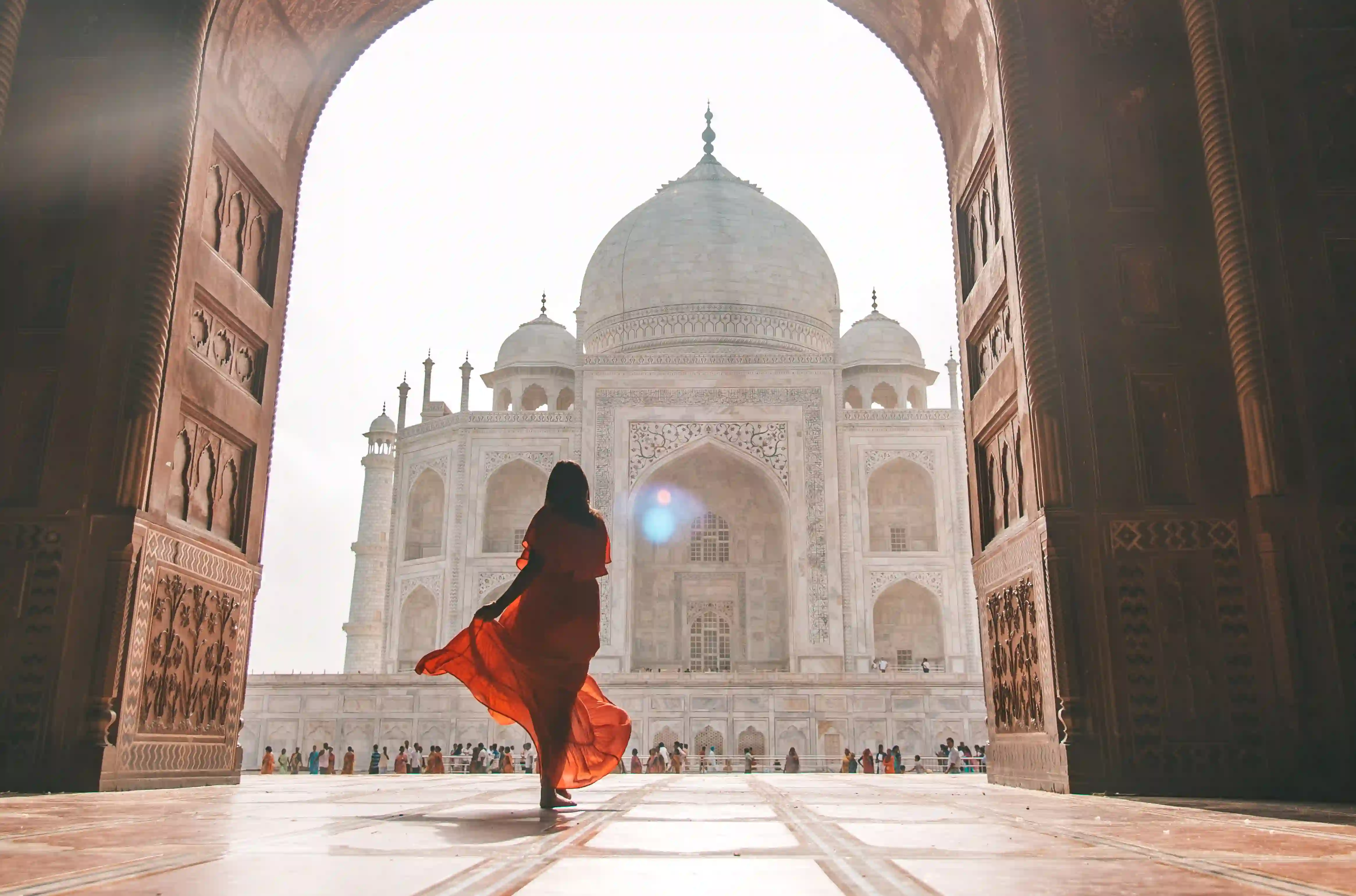
What Is the Best Same Day Taj Mahal Tour From Delhi?
A same-day trip from Delhi to the Taj Mahal is one of the easiest ways for first-time visitors to experience one of India's most famous landmarks without changing hotels. The journey takes you from the busy streets of Delhi to Agra, the historic city on the banks of the Yamuna River, where the magnificent Taj Mahal awaits. For travelers with limited time, a carefully planned Taj Mahal Tour can combine convenient transportation, early-morning sightseeing, a visit to Agra Fort, a good local meal, and a comfortable return to Delhi all within one day. The secret is starting early and organizing the day around travel time rather than trying to squeeze too many attractions into the schedule. Most visitors choose either a fast train or a private car, depending on whether they value speed, flexibility, or convenience. While the Taj Mahal is naturally the highlight, the journey can become even more rewarding when you understand the monument's history and allow enough time to enjoy Agra rather than simply arriving, taking photographs, and immediately leaving. This guide explains how to plan a practical same-day itinerary from Delhi, which transportation options work best, when to visit, what to see, what to bring, and which mistakes to avoid.
Why Choose a Same-Day Trip From Delhi to the Taj Mahal?
A same-day visit is particularly useful for travelers whose India itinerary is already full. Delhi itself can easily occupy several days, while Rajasthan, Varanasi, Mumbai, Kerala, and other destinations may also be competing for your attention. Spending a night in Agra is certainly worthwhile if you have extra time, but it is not essential for seeing the Taj Mahal. With an early departure from Delhi and a sensible return journey, you can experience the monument and some of Agra's other important sights in one day.
Another advantage is simplicity. You can leave your Delhi hotel in the morning, travel directly to Agra, explore the Taj Mahal, visit Agra Fort, have lunch, and return to Delhi in the evening. A private vehicle can make this especially convenient because you do not have to coordinate several separate transfers. You can also choose the train if you prefer a faster intercity connection and are comfortable arranging local transportation in Agra.
The main consideration is your energy level. A same-day excursion means an early start and a fairly structured schedule. If you enjoy slow travel, long meals, or spending evenings exploring local neighborhoods, an overnight stay may be better. But if the Taj Mahal is the primary goal and your schedule is tight, a day trip can be an excellent solution.
What Is the Best Way to Travel From Delhi to Agra?
There are two main options for a same-day journey: private car and train. Both can work well, but they provide very different experiences. Choosing between them depends on your budget, group size, preferred comfort level, and how much flexibility you want throughout the day.
A private car offers maximum flexibility. You can leave your hotel at a time that suits you, stop along the route if necessary, and travel directly between attractions once you reach Agra. It is particularly convenient for families, couples, older travelers, and small groups. If you book a car with a professional driver, you also avoid the stress of negotiating transportation after arriving in Agra.
The train can be an excellent alternative for travelers who want to minimize road travel. Several rail services connect Delhi and Agra, and journey times can be considerably shorter than driving during heavy traffic. However, you still need transportation between the railway station and the Taj Mahal, Agra Fort, and your other destinations.
When choosing transportation, don't look only at the advertised journey duration. Consider the complete door-to-door experience. A train might be faster between stations, but a private car may save time by taking you directly from your hotel to the monument. On the other hand, traffic can make road travel unpredictable. Your ideal choice depends on your priorities.
What Time Should You Leave Delhi?
For a same-day visit, an early departure is essential. Leaving Delhi around dawn gives you a better chance of reaching Agra early enough to enjoy the Taj Mahal before the day becomes hotter and busier. The exact departure time depends on your transportation method, hotel location, traffic conditions, and the current opening arrangements at the monument.
An early start also protects your schedule. If your journey takes longer than expected, you have additional time to absorb the delay without sacrificing the main attraction. Waiting until late morning to leave Delhi can create unnecessary pressure because you still need to visit the Taj Mahal, see another attraction, eat lunch, and make the return journey.
If you are visiting specifically for sunrise photography, research the current Taj Mahal entry arrangements before your trip. Opening times and visitor procedures can change, so rely on current official information when finalizing your schedule. Do not assume that a timetable from an old travel blog remains accurate.
The Ideal Same-Day Taj Mahal Itinerary
A well-balanced itinerary should prioritize the Taj Mahal while leaving enough room for Agra Fort and lunch. A typical day might begin with an early departure from Delhi, followed by arrival in Agra in the morning. Building your itinerary around the main attraction prevents unnecessary rushing and gives you enough flexibility to deal with traffic or other unexpected delays.
After reaching Agra, head directly to the Taj Mahal. Allow yourself approximately two to three hours for the visit, depending on your interest in photography, architecture, and history. Don't rush through the complex simply because you have other attractions waiting. The Taj Mahal is much more than the famous white marble façade; take time to observe the gardens, gateways, decorative details, symmetry, and changing perspectives as you move through the complex.
Afterward, have lunch at a reputable restaurant before visiting Agra Fort. The fort is historically fascinating and provides an important context for understanding the Mughal rulers who commissioned and occupied major structures in Agra. From certain viewpoints, you can also see the Taj Mahal in the distance.
If your schedule allows, you can add one additional attraction such as Mehtab Bagh or another nearby historical site. However, don't turn the itinerary into a race. The purpose of a day trip is to enjoy the highlights, not to collect as many entrance tickets as possible.
Finally, begin the return journey to Delhi with sufficient time to account for traffic or transportation delays. Leaving Agra too late can turn a relaxed sightseeing day into a stressful evening, so keep a reasonable buffer before your planned return.
Why Visit the Taj Mahal in the Morning?
Morning is generally a smart choice for several reasons. The first is temperature. Depending on the season, Agra can become considerably warmer later in the day, making an extended outdoor visit less comfortable. An early visit lets you explore the monument before the strongest heat arrives.
The second advantage is atmosphere. Morning light can create beautiful conditions for photography, especially when the sun is low. The marble can appear subtly different as the light changes, and the gardens can feel particularly peaceful compared with the busiest periods.
The third benefit is scheduling. Visiting the Taj Mahal first means that the most important part of your day is completed early. If your transportation encounters a delay later, you are less likely to miss the experience that brought you to Agra in the first place.
Remember that the Taj Mahal has specific visiting rules and a weekly closure. Always check current official information before your journey because opening arrangements, ticket procedures, and visitor regulations can change.
What Can You See at the Taj Mahal?
The Taj Mahal is often described simply as a monument, but experiencing it in person reveals many details that photographs cannot fully capture. The complex includes the principal mausoleum, large gardens, a monumental entrance gateway, a mosque, a corresponding building, decorative marble work, and carefully planned architectural elements.
The building was commissioned by Mughal emperor Shah Jahan in memory of Mumtaz Mahal. Construction took place during the 17th century, and the monument became one of the world's most recognizable examples of Mughal architecture.
Look closely at the marble surfaces and you will find intricate decorative work, including floral designs and calligraphic elements. The building's famous symmetry is another feature that becomes more impressive when viewed from different positions.
Photography is naturally a major part of the experience, but try to put your camera away occasionally. The scale, craftsmanship, and setting are much easier to appreciate when you are not constantly looking through a screen.
Should You Visit Agra Fort Too?
Absolutely. If your schedule permits, Agra Fort should be the second major attraction on your day trip. Located relatively close to the Taj Mahal, the fort provides a completely different architectural experience.
Constructed and expanded during the Mughal period, Agra Fort contains massive defensive walls, courtyards, halls, palaces, mosques, and other structures. It was not simply a military fortification; it also served as an imperial residence and administrative center.
The fort is particularly interesting after visiting the Taj Mahal because it helps connect the monuments to the Mughal dynasty. The history becomes more tangible when you see the spaces associated with the rulers who shaped Agra's architectural landscape.
For most first-time visitors, the Taj Mahal and Agra Fort provide more than enough historical sightseeing for one day. Adding too many additional monuments can make the trip unnecessarily tiring.
Private Car vs. Train: Which Is Better?
| Feature | Private Car | Train |
|---|---|---|
| Flexibility | Excellent | Limited |
| Door-to-door convenience | Excellent | Requires local transfers |
| Traffic exposure | Higher | Lower between cities |
| Sightseeing stops | Easy | Limited |
| Best for families/groups | Often convenient | Can be economical |
| Planning style | More personalized | More schedule-dependent |
A private car is generally the easiest option for travelers who want a personalized itinerary. You can control your departure time, travel directly to attractions, and return to your Delhi accommodation without changing transportation several times.
A train may be preferable if you want to avoid road traffic and are comfortable managing station transfers. It can also be attractive for independent travelers who enjoy India's railway experience.
There is no universally "best" option. Think about what matters most to you: convenience, flexibility, cost, or speed. For a first-time visitor with only one day, reducing logistical complications is often worth paying a little more for.
What Should You Pack?
Packing lightly is best for a same-day trip. You will spend much of the day walking, so comfortable shoes are essential. A small day bag containing water, tissues, sunglasses, sunscreen, medication, and basic personal items should be sufficient.
The weather should determine what you wear. During warmer periods, lightweight clothing and sun protection are important. During cooler winter mornings, layers can make the early departure much more comfortable.
Respectful clothing is also advisable when visiting religious or culturally significant locations. Avoid carrying unnecessary valuables, and keep your passport and other important documents secure.
A portable phone charger can be useful because navigation, photography, tickets, and communication can quickly consume battery power during a long day.
What Should You Eat in Agra?
A day in Agra is not complete without trying some local food. The city has a strong Mughlai culinary tradition, so dishes featuring aromatic spices, grilled meats, rich sauces, breads, and rice are worth exploring.
Vegetarian travelers will also find plenty of choices. Agra is particularly associated with petha, a traditional sweet that comes in different flavors and varieties. It makes an easy edible souvenir if you want to take something home.
For lunch, choose a well-reviewed restaurant rather than taking unnecessary risks with unfamiliar food during a tightly scheduled day trip. If your stomach is not accustomed to spicy food, start with milder dishes and keep yourself hydrated.
How Much Does a Same-Day Trip Cost?
The cost depends on your transportation, vehicle type, guide services, entrance tickets, meals, and the number of people traveling together. A solo traveler using public transportation may spend considerably less than a family hiring a private vehicle and professional guide.
Rather than choosing a package solely because it has the lowest advertised price, look at what is actually included. Check whether transportation, tolls, parking, monument tickets, meals, guide services, and hotel pickup are included or charged separately.
A transparent itinerary makes budgeting easier. Ask for a clear breakdown before booking so you understand exactly what you are paying for.
How to Avoid Common Same-Day Tour Mistakes
The biggest mistake is leaving Delhi too late. A same-day itinerary has limited room for delays, so an early start is one of the most important decisions you can make.
Another mistake is adding too many attractions. The Taj Mahal, Agra Fort, lunch, and transportation already create a full day. If you add several distant attractions, the experience can become stressful rather than enjoyable.
Do not forget to check the Taj Mahal's current opening schedule before traveling. Weekly closures and special visitor arrangements can affect your plans.
It is also important to confirm your return transportation before leaving Delhi. If you are traveling by train, book appropriate tickets in advance and allow enough time to reach the station. If you are traveling by car, communicate clearly with your driver about the expected departure time and itinerary.
Finally, be cautious about unsolicited guides and shopping stops. If you want a guide, arrange one through a reputable provider rather than accepting an unexpected offer at a monument or station.
Is a Same-Day Taj Mahal Trip Worth It?
For travelers with limited time, absolutely. A same-day Taj Mahal Tour allows you to experience one of India's most extraordinary landmarks without adding another hotel night to your itinerary.
The trip is particularly worthwhile when you plan it around the Taj Mahal rather than trying to turn Agra into an exhaustive sightseeing destination. Start early, visit the Taj Mahal first, explore Agra Fort, enjoy lunch, and return to Delhi with enough time to handle unexpected delays.
If you have more time, an overnight stay in Agra can provide a slower and more relaxed experience. You could explore additional attractions, enjoy the city after the day-trippers leave, and potentially visit the Taj Mahal at different times of day. But for travelers whose itinerary is already packed, a carefully organized day trip offers an excellent compromise.
Tips for First-Time Visitors
A little preparation can make a major difference. Reserve transportation ahead of time, check attraction information shortly before your trip, and keep your schedule realistic. Download important tickets and booking confirmations to your phone, but keep backup information accessible offline as well.
Start with your highest priority attraction. In this case, that means putting the Taj Mahal at the center of the itinerary. Everything else should fit around it.
Be prepared for crowds, especially during popular travel periods. Wear comfortable footwear, stay hydrated, and take breaks when needed. The day may be busy, but it doesn't have to feel rushed.
Most importantly, enjoy the experience. The Taj Mahal is famous for good reason, but its significance goes beyond its appearance in photographs. Take a moment to appreciate the craftsmanship, history, architecture, and human story behind the monument.
Conclusion
A same-day trip from Delhi to Agra is one of the most practical ways to see the Taj Mahal when your India itinerary is short. The ideal plan starts early, uses reliable transportation, visits the Taj Mahal first, includes Agra Fort, and leaves enough time for lunch and the return journey. A private car offers the greatest flexibility, while the train can be an efficient choice for travelers who prefer rail transportation.
The best Taj Mahal Tour is not necessarily the one that includes the largest number of attractions. It is the one that gives you enough time to appreciate the Taj Mahal without spending the entire day worrying about logistics. Plan ahead, check current monument information, choose dependable transportation, and keep your itinerary realistic.
With the right preparation, you can leave Delhi in the morning, stand before the Taj Mahal a few hours later, explore one of India's great historic cities, and return to Delhi the same evening with an unforgettable experience.
FAQs
1. Can I visit the Taj Mahal from Delhi and return the same day?
Yes. Delhi and Agra are well connected, and a carefully planned day trip can allow you to visit the Taj Mahal, see Agra Fort, have lunch, and return to Delhi the same evening.
2. What is the best time to visit the Taj Mahal?
Early morning is generally a good choice because temperatures can be more comfortable and the light can be excellent for photography. Always verify current opening hours and visitor rules before traveling.
3. Is a private car better than a train for a day trip?
A private car provides greater flexibility and door-to-door convenience, while a train can reduce road travel and may be more economical. The best choice depends on your budget, group size, and travel preferences.
4. How long should I spend at the Taj Mahal?
Most visitors should allow roughly two to three hours, although photography enthusiasts and travelers interested in architecture or history may want longer. Avoid rushing simply to fit in unnecessary additional attractions.
5. Can I visit Agra Fort on the same day?
Yes. Agra Fort is a natural addition to a same-day itinerary because it is relatively close to the Taj Mahal and offers important insight into Mughal history. Combining these two major attractions makes efficient use of your time in Agra.