What Is the Best Time for a Golden Triangle India Tour?
August 15, 2026
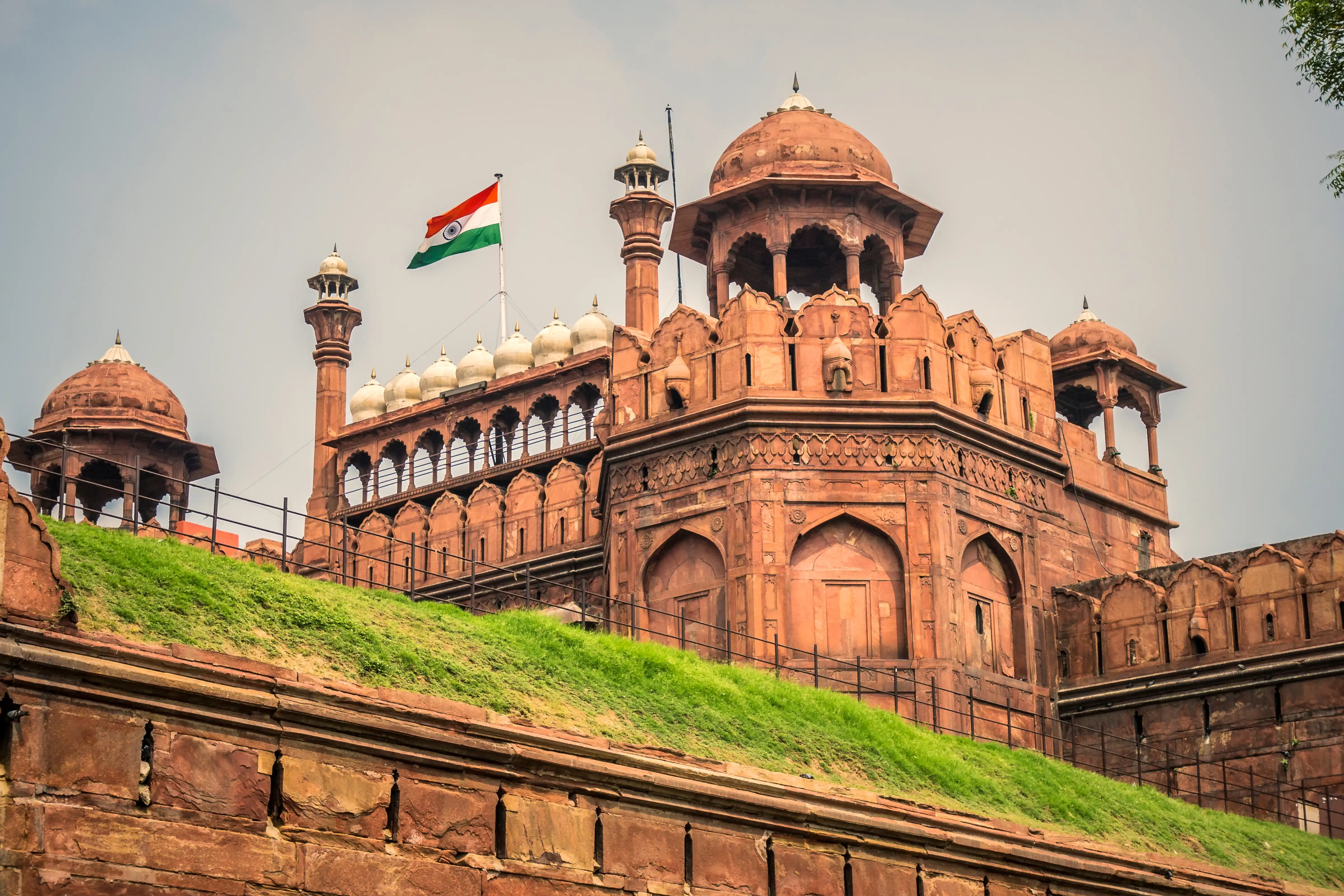
What Is the Best Time for a Golden Triangle India Tour?
Planning a journey through Delhi, Agra, and Jaipur is one of the best ways to experience India's history, architecture, culture, food, and royal heritage in a single trip. The three destinations are connected by a popular travel route, but choosing the right season can make a major difference to your comfort and overall experience. Weather, crowds, hotel prices, photography conditions, sightseeing hours, and festivals all change throughout the year. For most travelers, the cooler months from October to March are the most comfortable period for exploring the Golden Triangle.
A well-planned Golden Triangle India Tour usually includes Delhi's historic monuments, Agra's world-famous Taj Mahal, and Jaipur's spectacular forts and palaces. Although the route can be completed throughout the year, each season offers a different experience. Winter provides pleasant daytime temperatures but can bring foggy mornings. Summer can be extremely hot but may offer fewer crowds and potentially lower accommodation prices. The monsoon season brings rain and humidity but also greener landscapes and dramatic skies.
The best time ultimately depends on your travel priorities. If comfortable sightseeing is your main concern, winter and early spring are excellent choices. If photography is important, you may prefer early mornings during the cooler months. Budget travelers may consider traveling during the hotter or rainy months when demand can be lower. Families and older travelers will usually benefit from avoiding the most intense summer heat.
What Is the Golden Triangle of India?
The Golden Triangle is a popular tourist circuit connecting Delhi, Agra, and Jaipur. These three cities are relatively close compared with many other major Indian destinations, making them convenient to combine into one itinerary.
Delhi provides an introduction to India's diverse history, with attractions such as the Red Fort, India Gate, Humayun's Tomb, Qutub Minar, and the lively streets of Old Delhi.
Agra is best known for the Taj Mahal, but the city also offers Agra Fort, Mehtab Bagh, and other Mughal-era attractions.
Jaipur, popularly known as the Pink City, introduces travelers to Rajasthan's royal heritage through attractions such as Amber Fort, City Palace, Hawa Mahal, Jantar Mantar, and colorful traditional markets.
Because each city has a different character, the route provides a varied travel experience rather than repeating the same type of sightseeing.
What Is the Best Season for a Golden Triangle Tour?
For most visitors, October through March is the most comfortable period for traveling through Delhi, Agra, and Jaipur. Temperatures are generally more suitable for walking around forts, monuments, gardens, markets, and historic neighborhoods.
The winter months can be particularly enjoyable during the daytime. However, December and January can have cold mornings and fog, especially in Delhi and Agra. This can occasionally affect visibility around sunrise.
February and early March are often attractive because the weather is generally comfortable without the extreme heat that becomes more common later in the year.
| Season | Months | Advantages | Considerations |
|---|---|---|---|
| Winter | December–February | Comfortable daytime weather | Cold mornings and possible fog |
| Spring | March | Pleasant sightseeing conditions | Temperatures begin rising |
| Summer | April–June | Potentially fewer crowds | Very hot weather |
| Monsoon | July–September | Green landscapes and dramatic skies | Rain and humidity |
| Autumn | October–November | Improving weather | Increasing tourist demand |
Is October a Good Time for the Golden Triangle?
October is an excellent transition month for travelers who want to avoid the intense heat of summer. The monsoon season is generally ending, and outdoor sightseeing becomes more comfortable.
Delhi's historic neighborhoods, Agra's monuments, and Jaipur's forts can be explored without dealing with the extreme temperatures common during May and June.
October can also be an attractive month for photography. The landscapes may still have some of the greenery associated with the monsoon, while clearer weather can provide attractive skies around major monuments.
Travelers should remember that festival periods can affect hotel availability and prices. If your dates coincide with major celebrations, booking accommodation and transportation ahead of time is advisable.
Is November the Best Time to Visit?
November is often considered one of the most comfortable months for a Golden Triangle journey. Temperatures are generally suitable for walking and sightseeing, especially during the morning and afternoon.
This month can work particularly well for travelers who want to spend several hours exploring the Taj Mahal, Agra Fort, Amber Fort, and Delhi's outdoor monuments.
The main consideration is increasing demand. As the popular winter travel season approaches, hotels and transportation can become busier.
If you plan a Golden Triangle India Tour in November, consider reserving your hotels and intercity transportation in advance, particularly if you are traveling with a family or larger group.
Is December a Good Time for a Golden Triangle Tour?
December is a popular travel month because daytime temperatures are generally comfortable. It is an excellent period for walking through historic sites and exploring markets.
However, mornings can be cold, and fog can occasionally affect visibility. This is particularly relevant if you plan to see the Taj Mahal at sunrise.
December can also be busy because of holiday travel. Travelers should expect potentially higher hotel demand and should make reservations earlier than they might during the low season.
Pack layers so you can adjust your clothing as temperatures change throughout the day.
Is January a Good Time to Visit Delhi, Agra, and Jaipur?
January can offer comfortable sightseeing during the daytime, but mornings can be quite cold. Fog is another consideration, particularly for travelers planning early-morning photography.
If the weather is clear, sunrise at the Taj Mahal can be spectacular. If dense fog is present, however, the monument may not be clearly visible at first light.
Travelers who are less interested in sunrise photography can consider visiting later in the morning, when visibility may improve and temperatures become more comfortable.
January is also a good month for exploring Jaipur's forts and palaces because you can spend more time outdoors without dealing with summer heat.
Is February the Best Month for the Golden Triangle?
February is one of the strongest choices for travelers who want comfortable weather. Temperatures are generally pleasant, making it easier to spend long periods outdoors.
This month is particularly suitable for couples, families, photographers, and first-time visitors. You can explore Delhi during the day, visit the Taj Mahal in Agra, and spend several hours exploring Jaipur without the intense heat associated with late spring.
For many travelers, February offers a very good balance between weather and sightseeing comfort.
Is March a Good Month for the Golden Triangle?
March marks the transition from winter toward warmer weather. Early March can still be quite comfortable, while temperatures generally begin increasing later in the month.
The advantage of March is that travelers can enjoy outdoor attractions before the extreme heat of April and May becomes dominant.
If you travel during March, schedule the most physically demanding sightseeing during the morning and late afternoon. This is particularly helpful in Jaipur, where visiting Amber Fort and other outdoor attractions can involve considerable walking.
Is Summer a Good Time for a Golden Triangle Tour?
Summer is the most challenging season for many travelers because temperatures can become extremely high, particularly from April through June.
This does not mean that a summer trip is impossible. It simply requires more careful planning.
Start sightseeing early in the morning, take a midday break, and continue again in the late afternoon. Hotels with air conditioning become especially important during this period.
Travelers should also drink plenty of water, use sunscreen, wear lightweight clothing, and avoid spending long periods outdoors during the hottest hours.
One advantage of summer is that some travelers may encounter fewer crowds compared with the peak winter season. Accommodation and travel arrangements may also offer different pricing depending on demand.
Is April a Good Time to Visit?
April can be warm, but the beginning of the month may still be manageable for travelers accustomed to higher temperatures. As the month progresses, conditions become increasingly hot.
If April is your only available travel period, plan major sightseeing for early morning. For example, you can explore the Taj Mahal in Agra early, return to your hotel for breakfast and rest, and visit another attraction later in the afternoon.
Is May a Good Time for the Golden Triangle?
May is generally one of the hottest months across the Golden Triangle. Travelers should carefully consider their tolerance for extreme heat before choosing this period.
If you do travel in May, air-conditioned transportation and accommodation are highly recommended. Avoid long outdoor sightseeing sessions during midday.
A private vehicle can be particularly useful because you can travel between attractions in an air-conditioned environment and adjust your schedule according to the weather.
Is June a Good Time to Travel?
June can also be extremely hot, although weather patterns may begin changing toward the end of the month as the monsoon approaches.
Travelers visiting during June should follow the same strategy as May: early sightseeing, midday rest, plenty of hydration, and flexible schedules.
If you have complete flexibility, the cooler months are generally more comfortable.
Is Monsoon Season Good for a Golden Triangle Tour?
The monsoon season generally covers July through September. Rainfall can make travel less predictable, but the season has its own advantages.
The landscapes around Jaipur and Delhi can become greener, while cloudy skies can create dramatic backgrounds for photographs. Travelers may also find a different atmosphere compared with the busy winter season.
The main disadvantage is humidity and the possibility of rain disrupting outdoor activities. Roads and transportation schedules can occasionally be affected.
If you enjoy a quieter travel experience and do not mind changing your plans when rain occurs, monsoon travel can be rewarding.
Is July a Good Month to Visit?
July is hot and humid, with the possibility of rain. However, the landscape can look refreshing after rainfall.
Travelers who choose July should carry lightweight rain protection and protect electronics such as cameras and smartphones.
A flexible itinerary is particularly useful because heavy rain can temporarily affect outdoor sightseeing.
Is August a Good Month for the Golden Triangle?
August can provide a combination of rain, humidity, greenery, and fewer tourists at some attractions. It can be appealing to travelers who want a different perspective on the Golden Triangle.
The Taj Mahal can look particularly dramatic beneath cloudy skies, although photography conditions are unpredictable.
Make sure your daily schedule includes some flexibility so that rain does not completely disrupt your sightseeing plans.
Is September a Good Time to Visit?
September can be an interesting transition period. Rain may still occur, but conditions gradually move toward the drier autumn season.
Travelers may enjoy greener surroundings and potentially less intense tourist activity. However, weather can vary, so checking forecasts before each sightseeing day is useful.
By late September, planning becomes easier as the peak travel season approaches.
What Is the Best Time of Day for Sightseeing?
Early morning is generally one of the best periods for sightseeing throughout the Golden Triangle. Temperatures are lower, major attractions may be less crowded, and photographers can benefit from softer light.
This is especially important in summer. Visiting the Taj Mahal early allows you to avoid the strongest heat later in the day.
Afternoon sightseeing can work well during winter when temperatures are comfortable. In summer, however, midday should ideally be reserved for lunch, rest, shopping, or indoor attractions.
Evenings are excellent for exploring markets, enjoying local cuisine, and experiencing the atmosphere of each city.
What Is the Best Time to Visit the Taj Mahal?
The Taj Mahal is usually one of the biggest highlights of a Golden Triangle itinerary. Sunrise is popular because of the changing light and cooler conditions.
Winter fog can sometimes reduce visibility, so sunrise is not guaranteed to provide perfectly clear views.
If photography is your priority, allow enough time to explore different viewpoints instead of taking only one photograph from the main entrance area.
It is also important to check the monument's current opening schedule before planning your itinerary.
What Is the Best Time to Visit Jaipur?
Jaipur is generally most comfortable during the cooler months. Exploring Amber Fort, City Palace, Hawa Mahal, Jantar Mantar, and other attractions involves considerable walking, so moderate temperatures make a noticeable difference.
Start with Amber Fort early in the day, especially if you are traveling outside winter.
Evenings can be reserved for markets, restaurants, cultural activities, and relaxed exploration of the Pink City.
What Is the Best Time to Visit Delhi?
Delhi has a large number of outdoor attractions, including Red Fort, Humayun's Tomb, Qutub Minar, and India Gate. Cooler months make exploring these locations much more comfortable.
Winter mornings can be cold and foggy, while summer afternoons can be extremely hot. Therefore, your daily schedule should change according to the season.
How Many Days Are Ideal?
A comfortable Golden Triangle itinerary usually takes 5 to 7 days.
| Day | Destination | Suggested Activities |
|---|---|---|
| Day 1 | Delhi | Arrival and Old Delhi |
| Day 2 | Delhi | India Gate, Humayun's Tomb, Qutub Minar |
| Day 3 | Agra | Taj Mahal and Agra Fort |
| Day 4 | Agra to Jaipur | Fatehpur Sikri and travel to Jaipur |
| Day 5 | Jaipur | Amber Fort and City Palace |
| Day 6 | Jaipur | Hawa Mahal, Jantar Mantar and markets |
| Day 7 | Jaipur/Delhi | Final sightseeing and departure |
Five days can work for travelers with limited time, while seven days allows a much more relaxed experience.
What Is the Best Time for Families?
Families should prioritize comfortable temperatures and avoid overly aggressive schedules. Children may enjoy forts, palaces, markets, and cultural experiences, but several hours of continuous walking can become tiring.
Winter and early spring are generally good choices. During summer, families should schedule sightseeing early and include plenty of breaks.
A private vehicle can also make family travel more comfortable because you can control departure times and stop when needed.
What Is the Best Time for Couples?
Couples may enjoy the cooler months because the weather makes it easier to combine sightseeing with romantic experiences.
Sunrise at the Taj Mahal, rooftop dining in Jaipur, evening walks through markets, and heritage hotel stays can add memorable moments to the journey.
February and early March can be particularly attractive for couples who want comfortable outdoor conditions.
How Does the Season Affect the Cost?
Travel costs can change according to demand. Peak winter periods can be busier, while hotter months and parts of the monsoon season may offer different accommodation rates.
However, the cheapest season is not necessarily the best season for every traveler. If extreme heat makes you uncomfortable, saving money on accommodation may not compensate for the reduced sightseeing experience.
Compare hotel rates, transportation costs, attraction tickets, and inclusions before making a decision.
What Should You Pack?
Your packing list should depend on the season.
During winter, bring layers, particularly for early mornings. During summer, lightweight breathable clothing, sunglasses, sunscreen, and a hat are useful.
During monsoon season, carry an umbrella or lightweight rain jacket and protect electronic devices from water.
Comfortable walking shoes are essential throughout the year because the itinerary includes forts, monuments, markets, gardens, and historic complexes.
How Can You Make the Tour More Comfortable?
Avoid trying to visit every attraction. Select your essential monuments first and then add optional attractions if time permits.
Group nearby attractions together to reduce unnecessary travel. Start early, especially during warmer months, and leave some flexibility between major activities.
Private transportation can also make the journey easier for families and small groups. Trains can be an economical option between major cities, while a private car offers flexibility and convenient door-to-door transportation.
Conclusion
The best time for a Golden Triangle India Tour is generally between October and March, when weather conditions are more comfortable for exploring Delhi, Agra, and Jaipur. February and early March can be especially appealing for travelers who want pleasant temperatures without the extreme heat of summer.
However, every season has something to offer. Summer can work for travelers who plan early mornings and midday breaks. The monsoon brings greener landscapes and dramatic skies, while October and November offer improving weather and attractive sightseeing conditions.
The most important thing is to match your travel dates with your priorities. Consider weather, crowds, budget, photography, festivals, and the amount of time you have available.
With a well-planned itinerary, comfortable transportation, suitable accommodation, and realistic sightseeing schedules, the Golden Triangle can provide an unforgettable introduction to India's rich history, architecture, food, culture, and royal heritage.
FAQs
1. What is the best month for a Golden Triangle India Tour?
February is often one of the best choices because temperatures are generally comfortable. October, November, March, and the other cooler months can also be excellent.
2. Is the Golden Triangle worth visiting in summer?
Yes, but summer is extremely hot. Travelers should start sightseeing early, stay hydrated, use air-conditioned transportation, and avoid prolonged outdoor activities during midday.
3. Is monsoon a good time to visit Delhi, Agra, and Jaipur?
It can be a good option for travelers who do not mind rain and humidity. The landscapes can become greener, and tourist activity may be different from the peak winter season.
4. How many days are enough for the Golden Triangle?
Five to seven days is a good range for most first-time visitors. Five days covers the highlights, while seven days provides more time for relaxed sightseeing.
5. What is the best time of day to visit the Taj Mahal?
Early morning around sunrise is popular because of cooler temperatures, softer light, and attractive photography conditions. Winter fog should be considered when planning a sunrise visit.