What Is the Best Wildlife Safari Tour in India?
August 22, 2026
What Is the Best Wildlife Safari Tour in India?
India is one of the world's most exciting wildlife destinations, offering travelers the opportunity to explore national parks, tiger reserves, grasslands, wetlands, forests, and diverse ecosystems. From the famous Bengal tigers of central India to the one-horned rhinoceroses of Assam and the elephants of southern India, the country provides an extraordinary range of wildlife experiences.
For travelers planning their first Wildlife Safari Tour, choosing the best destination can be difficult because India has many excellent national parks and reserves. The ideal safari depends on what you want to see, the season you are traveling, your budget, the length of your trip, and whether you are interested primarily in tigers, elephants, birds, leopards, or a combination of species.
Among India's most popular wildlife destinations are Ranthambore National Park, Jim Corbett National Park, Kanha National Park, Bandhavgarh National Park, Pench National Park, Tadoba-Andhari Tiger Reserve, Kaziranga National Park, and Gir National Park. Each offers a different experience, making India suitable for both first-time safari travelers and experienced wildlife enthusiasts.
Why India Is Famous for Wildlife Safaris
India has an extraordinary variety of landscapes and ecosystems. The country stretches from the Himalayan mountains and northeastern forests to the dry landscapes of Rajasthan and the tropical forests of central and southern India.
This geographical diversity supports hundreds of mammal species, thousands of bird species, reptiles, amphibians, and countless smaller forms of wildlife. India's protected areas also provide opportunities to see some of the world's most recognizable animals in their natural habitats.
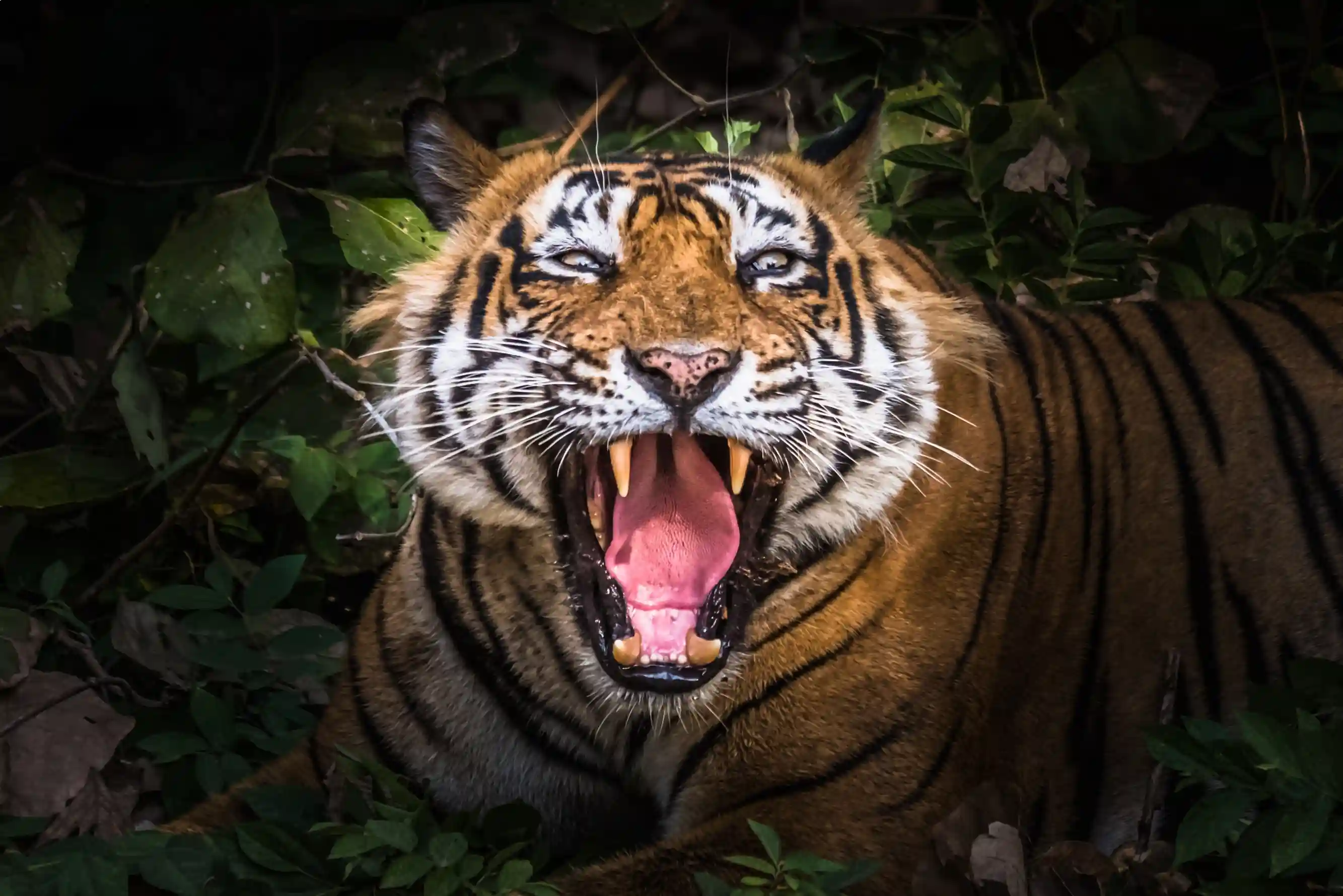
The Bengal tiger is perhaps the biggest attraction. India is home to the majority of the world's wild tiger population, and numerous tiger reserves offer safari experiences where visitors can potentially observe these magnificent animals.
However, a safari is not only about seeing a tiger. Leopards, sloth bears, wild dogs, elephants, rhinoceroses, deer, crocodiles, langurs, monkeys, and countless birds can make a safari equally memorable.
What Makes the Best Wildlife Safari Tour?
There is no single safari that can be called the best for every traveler. Instead, the right choice depends on your wildlife interests.
A first-time visitor primarily interested in tigers might consider Ranthambore, Bandhavgarh, Kanha, Pench, or Tadoba. Someone interested in elephants may prefer Corbett or southern Indian reserves. Travelers fascinated by rhinoceroses should consider Kaziranga, while those interested in Asiatic lions should visit Gir.
The quality of a safari also depends on factors such as the size of the reserve, habitat, safari zones, guide experience, season, number of safari drives, and luck.
Wildlife is unpredictable. Even the best-known national park cannot guarantee a particular animal sighting. This uncertainty is part of what makes safari travel exciting.
Ranthambore National Park – A Top Choice for Tiger Lovers
Ranthambore National Park in Rajasthan is one of India's best-known tiger safari destinations. Located near Sawai Madhopur, the park is famous for its Bengal tigers, historic ruins, lakes, dry forests, rocky hills, and dramatic landscapes.
One of the most distinctive aspects of Ranthambore is the combination of wildlife and history. The ruins of Ranthambore Fort overlook the landscape, creating an unusual setting for wildlife photography.
The park is also home to sambar deer, chital, nilgai, wild boar, crocodiles, leopards, sloth bears, hyenas, langurs, and numerous bird species.
Ranthambore can be particularly attractive to first-time safari travelers because its relatively open landscape can sometimes provide excellent visibility. However, tiger sightings are never guaranteed.
The cooler months are comfortable for sightseeing, while the hotter months can provide interesting wildlife-viewing opportunities as animals may spend more time around remaining water sources.
Jim Corbett National Park – India's Classic Wildlife Destination
Jim Corbett National Park in Uttarakhand is another excellent option for travelers looking for a Wildlife Safari Tour in India. Established in 1936 as Hailey National Park, it is one of India's oldest national parks and has played an important role in tiger conservation.
Corbett offers a different landscape from Rajasthan. Forests, grasslands, rivers, hills, and water bodies create a varied habitat supporting a wide range of wildlife.
Besides tigers, visitors may encounter elephants, leopards, deer, wild boar, crocodiles, langurs, and many species of birds.
Corbett is particularly attractive for travelers who want to combine wildlife with a peaceful nature holiday. The surrounding region offers opportunities for nature walks, birdwatching, and relaxation in forested surroundings.
The best safari zone and availability can depend on current regulations and seasonal conditions, so checking official information before booking is important.
Kanha National Park – Beautiful Forests and Rich Wildlife
Kanha National Park in Madhya Pradesh is one of India's most celebrated tiger reserves. Its forests and open meadows create an attractive landscape for wildlife enthusiasts and photographers.
The park is famous for its tiger population but also supports leopards, sloth bears, wild dogs, gaur, sambar, chital, barasingha, and numerous bird species.
Kanha is especially interesting because of its successful conservation efforts involving the hard-ground barasingha. Seeing these deer in their natural environment can add an additional dimension to the safari experience.
The park's landscape is often described as scenic and peaceful, making it appealing to travelers who want more than a simple animal-viewing excursion.
A multi-day stay is recommended because several safari drives provide more opportunities to explore different areas and observe changing wildlife behavior.
Bandhavgarh National Park – Famous for Tiger Sightings
Bandhavgarh National Park is another major tiger destination in Madhya Pradesh. It is known for its relatively high tiger density and dramatic landscapes.
The park features forests, grasslands, rocky hills, and the historic Bandhavgarh Fort. The combination of ancient heritage and wildlife creates an atmosphere similar in some ways to Ranthambore.
Bandhavgarh is particularly popular with photographers and dedicated tiger enthusiasts. Multiple safari drives can increase your chances of encountering wildlife because animals may be active in different areas at different times.
Although the possibility of seeing a tiger is one of the main reasons people visit, the park also supports leopards, sloth bears, deer, wild dogs, gaur, and numerous birds.
Pench National Park – The Jungle Book Landscape
Pench National Park is located in Madhya Pradesh and extends into Maharashtra. The reserve is associated with the landscape that inspired Rudyard Kipling's The Jungle Book, making it particularly interesting for literature and wildlife enthusiasts.
The park contains teak forests, open areas, water bodies, and varied terrain that support tigers, leopards, wild dogs, deer, gaur, monkeys, and many birds.
Pench can be an excellent choice for travelers who want a quieter alternative to some of India's more famous tiger destinations.
Its location also makes it possible to include Pench as part of a broader central Indian wildlife itinerary involving other reserves.
Tadoba-Andhari Tiger Reserve – A Strong Option for Tiger Enthusiasts
Tadoba-Andhari Tiger Reserve in Maharashtra has gained considerable popularity among travelers seeking tiger sightings.
The landscape includes dry deciduous forests, bamboo, grasslands, and water sources. Tigers are the primary attraction, but visitors may also encounter leopards, sloth bears, wild dogs, gaur, sambar, chital, crocodiles, and numerous birds.
Tadoba can be particularly appealing to serious wildlife photographers because the landscape provides opportunities for observing wildlife around water bodies and open areas.
As with every wildlife reserve, sightings remain unpredictable. Booking multiple safari drives rather than relying on one outing is a sensible strategy.
Kaziranga National Park – Best for One-Horned Rhinoceroses
If your dream animal is not a tiger but a rhinoceros, Kaziranga National Park in Assam should be near the top of your list.
Kaziranga is globally famous for its greater one-horned rhinoceroses and provides one of the most important habitats for the species. The park's grasslands, wetlands, forests, and rivers support an impressive range of wildlife.
Visitors may also see elephants, wild water buffalo, swamp deer, hog deer, wild boar, crocodiles, and numerous birds. Tigers are present as well, although the experience is different from visiting a destination specifically known for tiger tourism.
The landscape is particularly attractive for photographers because open grasslands can provide excellent opportunities to observe large animals.
For anyone interested in biodiversity rather than a single species, Kaziranga is one of India's most rewarding wildlife destinations.
Gir National Park – The Home of Asiatic Lions
Gir National Park in Gujarat is unique because it is the principal natural habitat of the Asiatic lion.
Travelers who want to see lions in the wild should consider Gir rather than focusing exclusively on India's tiger reserves. The landscape consists of dry deciduous forests, scrubland, grasslands, and rocky areas.
The park also supports leopards, chital, sambar, nilgai, wild boar, crocodiles, and many bird species.
Gir demonstrates why choosing a safari based on a specific wildlife interest is useful. A traveler searching for tigers may select Ranthambore or Bandhavgarh, while someone dreaming of seeing Asiatic lions should prioritize Gir.
Best Time for a Wildlife Safari in India
The ideal safari season varies depending on the national park. Many parks have seasonal closures or restricted access during the monsoon period, while others may have different operating schedules.
For many popular tiger reserves, the cooler months from October through March offer comfortable conditions for travelers. Temperatures are generally more pleasant, making long safari drives easier.
The hotter months of April, May, and June can sometimes be attractive to dedicated wildlife enthusiasts because vegetation becomes drier and animals may gather around water sources. However, temperatures can become extremely high.
Winter mornings can be cold, especially in northern India, so travelers should pack layers.
Before booking, always check the latest official park opening dates, safari rules, weather conditions, and permit availability because regulations can change.
How Many Safari Drives Should You Take?
If wildlife viewing is the main purpose of your trip, one safari is usually not enough.
Animals move freely through large protected areas, and there is no guarantee that you will encounter your target species during a particular drive. A tiger might be resting in dense vegetation, moving through another zone, or simply remaining out of sight.
Booking several safari drives gives you more opportunities to explore different areas and observe wildlife under changing conditions.
A two- or three-night stay can therefore be much more rewarding than visiting a park for only a few hours.
Multiple drives also allow you to experience different times of day. Morning safaris offer cooler temperatures and beautiful light, while afternoon safaris provide a different atmosphere as the forest becomes active toward evening.
Jeep Safari or Canter Safari?
Many Indian wildlife destinations offer different types of safari vehicles depending on local regulations.
An open jeep usually accommodates a smaller group and can provide a more intimate experience. It may be particularly attractive to photographers who want a clearer view and more flexibility.
Canters or larger safari vehicles can accommodate more people and may be a more economical option.
The vehicle itself does not guarantee wildlife sightings. Animal behavior, habitat, guide knowledge, safari zone, weather, and luck are much more important factors.
Whatever vehicle you choose, follow the guide's instructions and maintain a respectful distance from wildlife.
How to Choose the Right Wildlife Destination
The easiest way to select a safari destination is to begin with your main wildlife interest.
| Wildlife Interest | Recommended Destination |
|---|---|
| Bengal Tiger | Ranthambore, Bandhavgarh, Kanha, Pench, Tadoba |
| One-Horned Rhinoceros | Kaziranga |
| Asiatic Lion | Gir |
| Asian Elephant | Corbett and selected southern reserves |
| Birdwatching | Kaziranga, Corbett and various wetlands |
| Sloth Bear | Ranthambore, Bandhavgarh and central Indian reserves |
| Leopard | Several central and northern Indian reserves |
| Mixed Wildlife | Kanha, Corbett, Pench and other diverse reserves |
This comparison is only a starting point. Each reserve contains many species, and wildlife sightings can vary significantly from one safari to another.
What Should You Pack for a Safari?
Packing appropriately can make your safari considerably more comfortable.
During colder months, carry layers because early morning temperatures can be low. During summer, lightweight breathable clothing, a hat, sunglasses, and sunscreen are essential.
A pair of binoculars can be extremely useful for observing birds and distant wildlife. A camera with an appropriate lens is helpful for photography, but you should never sacrifice the wildlife experience simply to capture a photograph.
Other useful items include drinking water, personal medication, a small backpack, a power bank, and insect protection where appropriate.
Neutral-colored clothing is generally practical because it is less visually distracting in natural surroundings.
Wildlife Photography Tips
India offers extraordinary wildlife photography opportunities, but patience is more important than expensive equipment.
Use the longest practical lens available for distant animals and avoid trying to move too close. Follow your guide's instructions about positioning the vehicle.
Early morning and late afternoon light can be particularly attractive for photography. The soft light can highlight animal textures and create dramatic backgrounds.
Do not use loud sounds, flash photography where prohibited, or other methods to attract animals. Ethical wildlife photography should always prioritize animal welfare.
Remember that a blurry photograph of a rare encounter can still represent an unforgettable memory. The goal should be to observe wildlife respectfully rather than disturb it for a better image.
Why a Multi-Destination Safari Can Be Better
If you have more time, combining two wildlife destinations can create a more diverse experience.
For example, a traveler interested in tigers might combine Ranthambore with another Rajasthan destination or explore two central Indian reserves. Someone interested in multiple species could combine a tiger reserve with a destination known for birds or rhinoceroses.
A longer itinerary also reduces the pressure to see everything during one safari. You can enjoy each destination at a slower pace and experience different landscapes.
Combining wildlife with cultural destinations is another excellent option. India's forts, palaces, temples, markets, and historic cities can complement a safari perfectly.
Tips for a Successful Safari Experience
The most important safari rule is to remain patient. Wildlife does not follow a schedule.
Listen to your guide, remain quiet when approaching animals, and keep your eyes open. Sometimes a tiger is not immediately visible, but alarm calls from deer or monkeys can provide clues that a predator may be nearby.
Do not expect every safari to produce a dramatic sighting. A peaceful drive through the forest filled with birds, deer, butterflies, and changing landscapes can be just as memorable.
Book permits and accommodation ahead of time during popular travel periods. Choose reputable accommodation and transportation, and confirm current park rules before your trip.
Most importantly, respect the environment. Never litter, feed animals, shout at wildlife, or attempt to leave designated safari routes.
Conclusion
India offers some of the world's most exciting wildlife experiences, and the best safari destination depends on what you want to see. Ranthambore, Bandhavgarh, Kanha, Pench, Tadoba, and Corbett are excellent options for travelers interested in Bengal tigers, while Kaziranga is famous for rhinoceroses and Gir provides the opportunity to see Asiatic lions.
For first-time travelers, choosing one destination and spending two or three nights there can be more rewarding than trying to visit several parks in a short period. Multiple safari drives improve your opportunities to encounter wildlife and allow you to experience the forest under different conditions.
A memorable Wildlife Safari Tour is about more than spotting a famous animal. It is about entering a natural environment, observing animal behavior, appreciating biodiversity, and experiencing India's remarkable landscapes.
Whether you dream of seeing a tiger walking through the forest, a rhinoceros crossing a grassland, an elephant near a river, or a lion moving through dry woodland, India offers a destination for almost every wildlife enthusiast. Plan according to the species you most want to see, choose the season carefully, book your safari in advance, and travel with realistic expectations.
The best Wildlife Safari Tour is ultimately the one that matches your interests and gives you enough time to enjoy nature without rushing. With patience, responsible travel, and thoughtful planning, a safari in India can become one of the most unforgettable experiences of your journey.
Frequently Asked Questions
1. Which is the best wildlife safari in India?
There is no single best safari for everyone. Ranthambore, Bandhavgarh, Kanha, Pench, Tadoba, and Corbett are popular choices for tiger safaris, while Kaziranga is excellent for rhinoceroses and Gir is famous for Asiatic lions.
2. What is the best time for a wildlife safari in India?
For many national parks, October to March offers comfortable weather. April to June can also be attractive for wildlife enthusiasts because dry conditions may make animals easier to locate around water sources, although temperatures can be very high.
3. How many days are needed for an Indian wildlife safari?
Two to three nights is a good starting point. If wildlife photography or tiger sightings are your primary goal, additional safari drives can provide more opportunities.
4. Is Ranthambore better than Bandhavgarh for tiger sightings?
Both are renowned tiger destinations, but wildlife sightings are unpredictable. Your experience depends on the season, safari zone, animal movements, guide knowledge, and luck rather than simply choosing one park.
5. Can I combine a wildlife safari with a cultural tour in India?
Yes. Wildlife destinations can be combined with famous cultural destinations such as Delhi, Agra, Jaipur, Udaipur, or other Rajasthan and Madhya Pradesh attractions. This creates a well-rounded Indian holiday combining wildlife, history, architecture, and local culture.