Which Delhi Tour Is Best for History Lovers?
Delhi is often described as the heart of India, but for history lovers, it is much more than a bustling capital city. It is a destination where every monument, marketplace, and ancient street tells a fascinating story of kings, emperors, revolutions, and cultural evolution. With a history spanning over a thousand years, Delhi has witnessed the rise and fall of numerous dynasties, including the Tomars, Delhi Sultanate, Mughals, and the British Empire. Every era has left behind magnificent architectural masterpieces that continue to captivate travelers from around the world.
If you're passionate about exploring historical landmarks, museums, forts, and centuries-old neighborhoods, choosing the right Delhi Tour can make all the difference. Instead of rushing through famous attractions, a well-planned historical tour allows you to understand the stories behind every monument, appreciate the intricate architecture, and experience the city's rich cultural heritage. Whether you have one day or several days to explore, Delhi offers an unforgettable journey through India's glorious past.
History lovers often wonder which tour provides the best experience. The answer depends on your interests, but the most rewarding itinerary combines Old Delhi's medieval charm with New Delhi's colonial elegance. Together, these areas present an incredible timeline that showcases India's transformation over centuries. From towering Mughal forts to UNESCO World Heritage Sites and vibrant historical markets, Delhi offers countless opportunities to step back in time.
Why Delhi Is the Perfect Destination for History Lovers
Delhi is unlike any other city in India because it represents multiple civilizations in one place. Historians often refer to Delhi as the "City of Cities" because several ancient capitals were built, abandoned, and rebuilt within the same region. Every ruler contributed something unique, leaving behind forts, tombs, mosques, temples, gardens, and palaces that still stand today.
Walking through Delhi feels like traveling through different historical periods within a single day. Early morning may begin with the medieval grandeur of the Red Fort, while the afternoon introduces Mughal elegance at Humayun's Tomb. By evening, visitors can admire the colonial architecture surrounding India Gate and Rashtrapati Bhavan. This remarkable diversity makes Delhi one of the world's greatest destinations for historical tourism.
Unlike many cities where historical monuments are isolated attractions, Delhi integrates its heritage into everyday life. Ancient markets remain active, traditional food recipes have survived for generations, and cultural traditions continue alongside modern development. This combination creates a richer experience because visitors don't simply observe history—they become part of it.
A thoughtfully planned Delhi Tour allows travelers to appreciate these historical layers without feeling overwhelmed. Professional guides often share fascinating stories, legends, and little-known facts that transform ordinary sightseeing into an engaging educational experience.
Explore the Magnificent Red Fort
No historical visit to Delhi is complete without exploring the iconic Red Fort. Constructed by Mughal Emperor Shah Jahan in the seventeenth century, this enormous red sandstone fortress served as the primary residence of Mughal emperors for nearly two centuries. Its massive walls, elegant gateways, royal halls, and beautiful gardens symbolize the power and sophistication of the Mughal Empire.
As visitors enter through Lahori Gate, they immediately encounter Chatta Chowk, an ancient covered marketplace where royal families once shopped for luxury goods. Inside the complex, magnificent structures such as the Diwan-i-Aam and Diwan-i-Khas showcase exquisite Mughal craftsmanship through marble carvings, floral motifs, and intricate inlay work.
History enthusiasts particularly enjoy learning about the fort's role during India's struggle for independence. Every year on Independence Day, India's Prime Minister addresses the nation from the Red Fort, continuing a tradition that connects modern India with its historical roots.
The evening light and sound show provides another fascinating perspective, narrating centuries of Delhi's history through dramatic storytelling, music, and colorful lighting effects. It is an excellent way to conclude your visit while gaining deeper insight into the city's remarkable past.
Discover the Timeless Beauty of Qutub Minar
Standing more than 72 meters tall, Qutub Minar remains one of Delhi's most impressive architectural landmarks. This UNESCO World Heritage Site represents the beginning of Islamic rule in northern India and continues to amaze visitors with its remarkable engineering and artistic detail.
Built primarily from red sandstone, the tower features beautiful Arabic inscriptions, geometric carvings, and decorative balconies. Despite being over 800 years old, the structure remains one of the tallest brick minarets in the world.
The surrounding archaeological complex is equally fascinating. Visitors can explore ancient mosques, tombs, gateways, and the famous Iron Pillar, which has resisted corrosion for more than 1,600 years despite exposure to changing weather conditions. Scientists continue studying this remarkable metallurgical achievement.
For photographers, historians, and architecture enthusiasts, Qutub Minar offers endless opportunities to appreciate medieval craftsmanship while understanding the cultural changes that shaped early Delhi.
Visit Humayun's Tomb: The Inspiration Behind the Taj Mahal
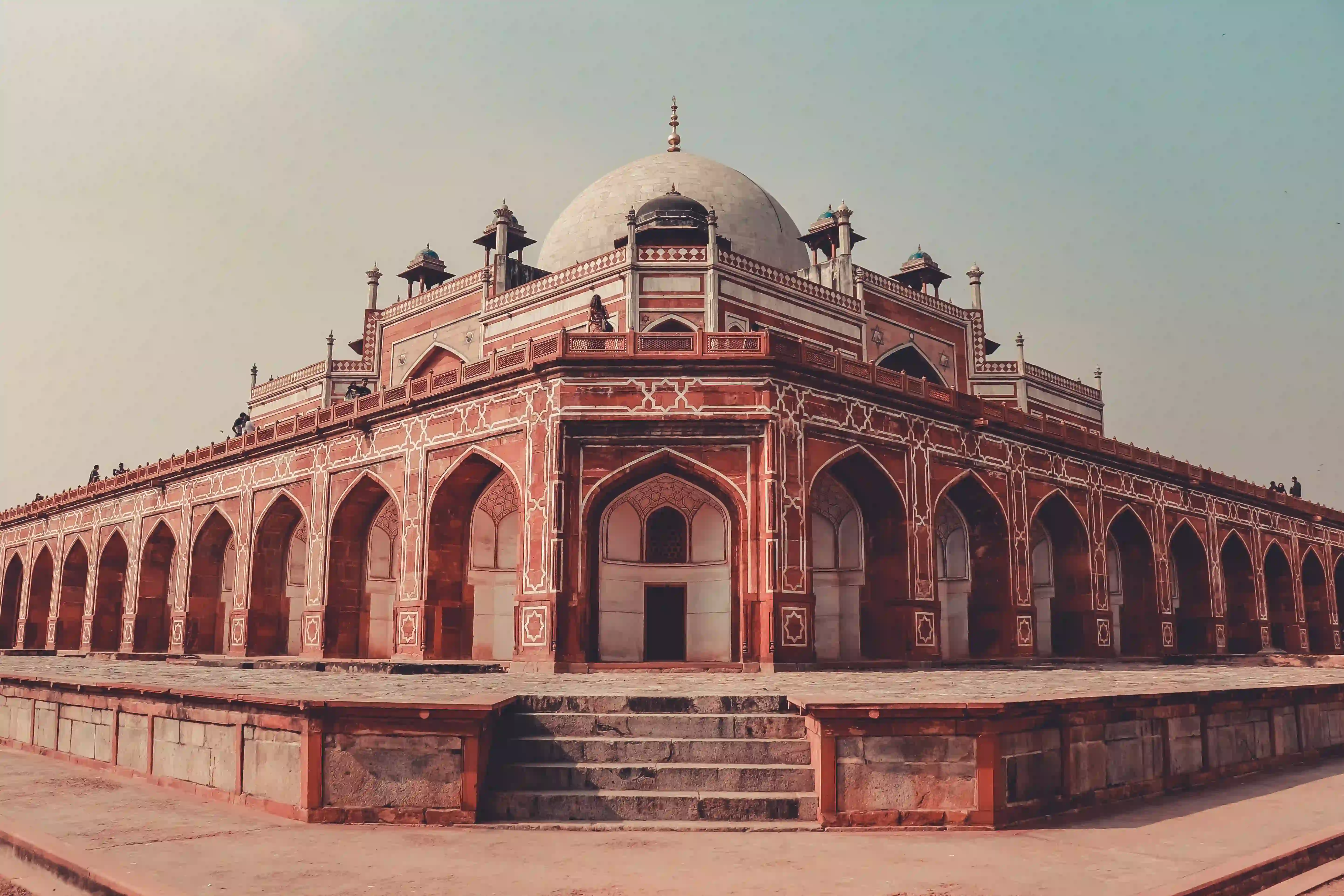
Among Delhi's most elegant historical monuments, Humayun's Tomb holds a special place in Indian architectural history. Built in the 16th century by Empress Bega Begum in memory of Emperor Humayun, this UNESCO World Heritage Site is considered the first grand garden tomb on the Indian subcontinent. More importantly, historians widely recognize it as the architectural inspiration for the Taj Mahal, which was constructed nearly a century later.
As you walk through the beautifully designed Persian-style gardens, you'll immediately notice the perfect symmetry, peaceful water channels, and impressive red sandstone structure highlighted with white marble. The monument reflects the artistic brilliance of early Mughal architecture while introducing design elements that later became signatures of the Mughal Empire. Every archway, dome, and decorative pattern demonstrates the exceptional craftsmanship of the period.
Unlike crowded tourist attractions, Humayun's Tomb offers a calm and reflective atmosphere where visitors can truly appreciate the monument's historical significance. Many guided tours spend extra time here because the site contains several smaller tombs belonging to Mughal nobles and royal family members. Exploring the entire complex provides valuable insight into the early development of Mughal architecture in India.
For anyone interested in the evolution of Indian monuments, this destination deserves a prominent place on any historical Delhi Tour.
Experience the Grandeur of Jama Masjid
One of the largest and most beautiful mosques in India, Jama Masjid is another essential stop for history lovers exploring Delhi. Built by Emperor Shah Jahan between 1650 and 1656, the mosque stands proudly opposite the Red Fort and remains an active place of worship today.
Constructed using red sandstone and white marble, Jama Masjid showcases magnificent Mughal architecture through its towering minarets, elegant domes, spacious courtyard, and beautifully carved prayer halls. The courtyard alone can accommodate more than 25,000 worshippers, making it one of India's most significant religious landmarks.
Visitors are welcome to explore the mosque respectfully outside prayer times. Climbing one of the southern minarets rewards travelers with breathtaking panoramic views of Old Delhi. From the top, the maze-like streets, historic buildings, bustling bazaars, and distant monuments create an unforgettable scene that perfectly illustrates the city's timeless character.
History enthusiasts also appreciate the mosque's collection of sacred relics, ancient manuscripts, and historical artifacts associated with Islamic traditions. These treasures further enrich the cultural importance of the monument beyond its architectural beauty.
Wander Through the Historic Streets of Chandni Chowk
No historical journey through Delhi is complete without exploring Chandni Chowk, one of India's oldest and busiest marketplaces. Established in the 17th century by Jahanara Begum, the daughter of Emperor Shah Jahan, this vibrant market has remained the commercial heart of Old Delhi for centuries.
Walking through Chandni Chowk feels like stepping into another era. Narrow lanes filled with traditional shops, centuries-old havelis, colorful bazaars, and historic temples create an atmosphere unlike anywhere else in India. Every street specializes in something different, from spices and textiles to jewelry and traditional sweets.
History lovers enjoy discovering hidden architectural gems tucked between busy market stalls. Ancient Jain temples, Sikh gurdwaras, Mughal-era mansions, and colonial buildings stand side by side, reflecting Delhi's incredible cultural diversity. Local guides often share fascinating stories about merchants, royal processions, and historical events that unfolded along these streets hundreds of years ago.
Sampling authentic street food also becomes part of the historical experience. Recipes passed down through generations continue to attract locals and tourists alike, preserving culinary traditions that have existed for centuries.
Raj Ghat: A Tribute to the Father of the Nation
Although Delhi is famous for medieval and Mughal monuments, modern Indian history also plays an important role in understanding the city. Raj Ghat, the memorial dedicated to Mahatma Gandhi, offers visitors a peaceful place to reflect on India's independence movement and Gandhi's philosophy of non-violence.
The memorial consists of a simple black marble platform marking the site where Gandhi was cremated following his assassination in 1948. An eternal flame burns continuously beside the platform, symbolizing his lasting influence on India and the world.
Surrounded by beautifully landscaped gardens, Raj Ghat provides a quiet contrast to the busy streets of Delhi. Visitors from around the globe come here to pay their respects and learn about one of history's most influential leaders.
For history enthusiasts, Raj Ghat serves as an important reminder that Delhi's story extends beyond emperors and kingdoms. It also tells the remarkable tale of India's struggle for independence and the birth of the world's largest democracy.
India Gate and the Colonial Legacy
India Gate stands proudly at the center of New Delhi as one of the city's most recognizable landmarks. Designed by British architect Sir Edwin Lutyens, this impressive war memorial commemorates thousands of Indian soldiers who lost their lives during World War I and the Third Anglo-Afghan War.
Although many visitors admire India Gate for its beauty, history lovers appreciate its deeper significance within Delhi's colonial past. The monument represents an important chapter in India's journey from British rule to independence.
The broad ceremonial avenue leading toward Rashtrapati Bhavan showcases the carefully planned urban design introduced during the British era. Wide roads, symmetrical gardens, and grand government buildings create a striking contrast with the narrow medieval streets of Old Delhi.
Exploring this area helps visitors understand how British planners transformed Delhi into a modern administrative capital while preserving many of its historical monuments. The combination of colonial architecture and independent India's national institutions makes this district particularly fascinating for students of history.
Old Delhi vs. New Delhi: Which Is Better for History Lovers?
Many travelers ask whether Old Delhi or New Delhi offers a better historical experience. The truth is that both areas complement each other and reveal different chapters of Delhi's remarkable story.
Old Delhi is ideal for those interested in Mughal architecture, medieval markets, ancient mosques, and traditional culture. Here, history feels alive through crowded bazaars, historic neighborhoods, and centuries-old monuments that continue to serve local communities. Every lane offers opportunities to discover hidden treasures, from forgotten mansions to family-run businesses that have existed for generations.
New Delhi, by contrast, reflects the city's colonial and modern history. Elegant boulevards, impressive government buildings, war memorials, museums, and landscaped parks illustrate the vision of British planners during the early twentieth century. The area's spacious layout provides a completely different perspective on Delhi's evolution.
Rather than choosing one over the other, the best historical itinerary combines both districts. Experiencing Old and New Delhi together allows travelers to appreciate how the city has continuously reinvented itself while preserving its extraordinary heritage.
A Perfect One-Day Historical Delhi Itinerary
If you have only one day to explore Delhi, careful planning can help you experience many of its most iconic historical attractions without feeling rushed. Starting early is the key to avoiding traffic and making the most of your visit.
Begin your morning at the Red Fort when it opens. Arriving early allows you to explore the impressive courtyards, museums, and royal halls before large crowds arrive. From there, take a short ride to Jama Masjid, where you can admire one of India's largest mosques and, if time permits, climb the southern minaret for spectacular views over Old Delhi.
Next, spend some time wandering through Chandni Chowk. While the bustling market may appear chaotic at first glance, it offers one of the most authentic historical experiences in the city. Enjoy traditional street food, browse centuries-old shops, and observe daily life that has remained remarkably similar for generations.
After lunch, head toward Humayun's Tomb and enjoy a peaceful walk through its magnificent gardens. Continue your journey to India Gate and Raj Ghat before ending your day at Qutub Minar. If your schedule allows, conclude your evening with the Red Fort's Sound and Light Show, which beautifully narrates Delhi's fascinating history through music, narration, and colorful visual effects.
This carefully planned route covers Delhi's major historical periods while providing a balanced mix of architecture, culture, and storytelling.
Tips for Making the Most of Your Historical Tour
Exploring Delhi's historical landmarks becomes far more enjoyable with a little preparation. Since many attractions cover large areas, wearing comfortable walking shoes is essential. Summers in Delhi can be extremely warm, so carrying a reusable water bottle, sunscreen, sunglasses, and a hat will help you stay comfortable throughout the day.
Hiring a knowledgeable local guide can dramatically improve your experience. While monuments are impressive on their own, understanding the stories behind their construction, rulers, battles, and restoration efforts adds an entirely new dimension to your visit. Many historical details are not displayed on information boards, making guided tours particularly valuable.
Photography enthusiasts should carry fully charged camera batteries and arrive early in the morning for softer lighting and fewer crowds. Most monuments look especially beautiful during sunrise or late afternoon when natural light enhances the colors of the sandstone and marble structures.
Respecting local customs is equally important. Religious sites such as Jama Masjid require modest clothing, and visitors may need to remove their shoes before entering certain areas. Following these guidelines ensures a respectful and enjoyable experience for everyone.
Why Guided Historical Tours Are Worth It
Although self-guided exploration offers flexibility, professionally guided historical tours provide much greater insight into Delhi's remarkable past. Experienced guides connect individual monuments into a larger historical narrative, helping visitors understand how different dynasties influenced architecture, politics, religion, and daily life.
Many guides also share fascinating legends, little-known historical facts, and local stories that rarely appear in guidebooks. Instead of simply viewing monuments, travelers gain a deeper appreciation of the personalities, ambitions, and cultural traditions that shaped India's capital over centuries.
Another advantage of guided tours is convenience. Transportation, ticket arrangements, and efficient routing are often included, allowing visitors to spend more time exploring and less time dealing with logistics. This is especially valuable for first-time visitors unfamiliar with Delhi's busy roads and public transportation.
Choosing a well-organized Delhi Tour ensures that you experience the city's most important historical attractions in a logical sequence while maximizing your available time. Whether you prefer private sightseeing or small group excursions, guided tours often provide the richest historical experience.
Best Time to Explore Delhi's Historical Attractions
The ideal time to visit Delhi for sightseeing is between October and March. During these months, temperatures remain pleasant, making long walks through forts, gardens, and archaeological complexes much more comfortable. The clear skies also create excellent conditions for photography.
Winter mornings may be slightly foggy, but they usually become bright by mid-morning. This season also hosts numerous cultural festivals, heritage walks, and special events that enhance the overall travel experience.
The summer months from April to June can be extremely hot, with daytime temperatures often exceeding 40°C (104°F). If visiting during this period, early morning sightseeing is strongly recommended. The monsoon season from July to September brings occasional rainfall that transforms many historical gardens into lush green landscapes while reducing tourist crowds.
No matter when you visit, planning your itinerary carefully helps ensure a rewarding historical adventure.
Conclusion
Delhi is one of the few cities in the world where thousands of years of history can be explored within a relatively small area. Ancient ruins, Mughal masterpieces, colonial landmarks, and modern memorials come together to create an extraordinary destination for history enthusiasts. Every monument reflects a different chapter in India's remarkable journey, offering visitors countless opportunities to learn, explore, and be inspired.
For history lovers, the best itinerary combines the timeless charm of Old Delhi with the elegant avenues of New Delhi. Visiting landmarks such as the Red Fort, Qutub Minar, Humayun's Tomb, Jama Masjid, Raj Ghat, India Gate, and Chandni Chowk provides a complete picture of the city's rich cultural heritage.
Whether you're passionate about architecture, archaeology, photography, or simply enjoy discovering stories from the past, a carefully planned Delhi Tour delivers an unforgettable experience. Every street, monument, and marketplace contributes to a living history that continues to shape India's identity today. By taking the time to explore these remarkable places, you'll leave Delhi with a deeper appreciation for one of the world's most historically significant capitals.
Frequently Asked Questions
1. Which is the best Delhi tour for history lovers?
The best option is a full-day heritage tour covering the Red Fort, Jama Masjid, Chandni Chowk, Humayun's Tomb, Qutub Minar, India Gate, and Raj Ghat. This itinerary showcases Delhi's ancient, Mughal, colonial, and modern history.
2. How many days are enough to explore Delhi's historical attractions?
Two to three days are ideal for exploring the city's major historical sites at a comfortable pace. A single day is enough for the highlights, but additional days allow you to visit museums, heritage walks, and lesser-known monuments.
3. Is Old Delhi better than New Delhi for history lovers?
Old Delhi offers richer medieval and Mughal heritage, while New Delhi highlights British colonial architecture and modern India's national landmarks. Visiting both provides the most complete historical experience.
4. What is the best season to visit historical monuments in Delhi?
The best time is from October to March, when the weather is cool and pleasant for sightseeing. Early mornings are especially enjoyable for photography and avoiding crowds.
5. Can I visit Delhi's major historical monuments in one day?
Yes. With an early start and efficient planning, you can comfortably visit the Red Fort, Jama Masjid, Chandni Chowk, Humayun's Tomb, Qutub Minar, India Gate, and Raj Ghat in a single day, especially if you book a guided Delhi Tour.