Which safari zone is best in Ranthambore?
July 21, 2026
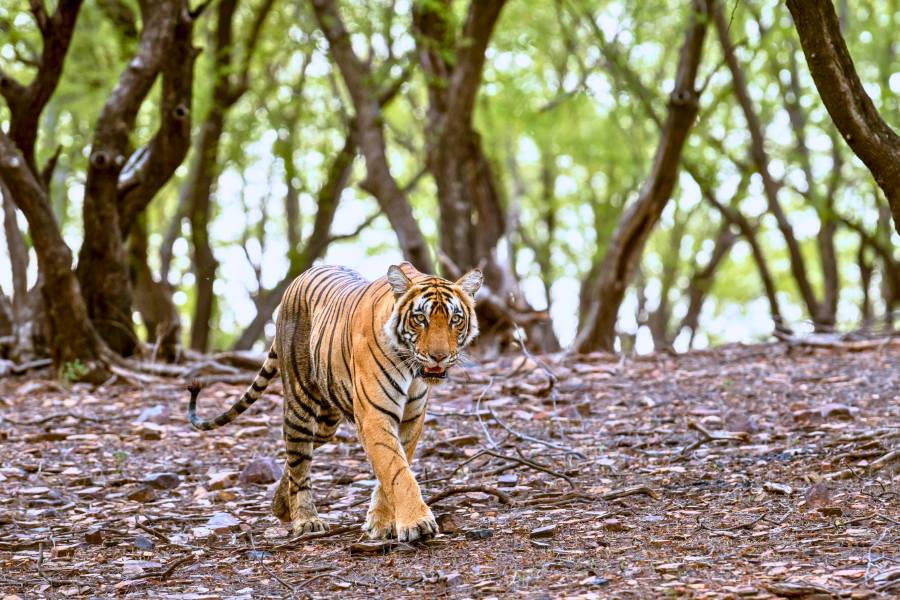
Which Safari Zone Is Best in Ranthambore? A Complete Guide to Choosing the Right Zone (2026)
Choosing the right safari zone is one of the most important decisions when planning a wildlife adventure in Ranthambore National Park. Every visitor hopes to witness the majestic Royal Bengal Tiger in its natural habitat, but with multiple safari zones available, many travelers ask the same question: Which Safari Zone Is Best in Ranthambore? The answer is not as straightforward as many people expect. Each safari zone has its own unique landscape, wildlife population, historical attractions, and opportunities for tiger sightings, making every safari a different experience.
Located in Rajasthan's Sawai Madhopur district, Ranthambore National Park is one of India's most famous wildlife reserves and among the finest places in the world to observe Bengal Tigers in their natural habitat. Covering more than 1,300 square kilometers, including the buffer area, the park features dry deciduous forests, rocky hills, scenic lakes, valleys, grasslands, and centuries-old ruins that support an extraordinary variety of wildlife.
The park is divided into ten official safari zones, each managed carefully to balance tourism and wildlife conservation. Although certain zones have historically offered higher tiger sighting rates, tigers are wild animals that frequently move between territories. Therefore, no safari zone can guarantee sightings on every visit. Understanding the unique characteristics of each zone will help you select the Best in Ranthambore based on your interests, whether that involves wildlife photography, birdwatching, landscapes, or maximizing your chances of spotting a tiger.
Whether you are a first-time visitor, a wildlife photographer, a family traveler, or an experienced safari enthusiast, this complete guide explains every safari zone in detail and helps you make an informed decision before booking your safari.
Understanding Ranthambore Safari Zones
Ranthambore National Park currently operates 10 official safari zones, numbered Zone 1 through Zone 10. When visitors reserve a safari, they are assigned a specific zone by the forest department, and changes are generally not permitted after confirmation.
The zones are broadly divided into two categories:
- Core Zones (1–5) – Historically famous for tiger sightings, lakes, dense forests, and iconic landmarks.
- Buffer Zones (6–10) – Larger landscapes that offer quieter safari experiences, expanding tiger territories, and excellent opportunities for birdwatching.
Every safari lasts approximately three to three-and-a-half hours and is conducted either in an open Jeep (maximum six passengers) or a Canter (maximum twenty passengers). Each vehicle is accompanied by an experienced naturalist and a government-authorized guide who helps visitors understand wildlife behavior and the ecology of the park.
Zone 1 – Excellent for Tiger Sightings
Zone 1 is widely regarded as one of the most rewarding safari zones in Ranthambore. Dense forests, rocky terrain, scenic valleys, and dependable water sources attract wildlife throughout the year, making it a favorite among photographers and wildlife enthusiasts alike.
Visitors commonly encounter:
- Bengal Tigers
- Leopards
- Sambar Deer
- Chital (Spotted Deer)
- Wild Boars
- Sloth Bears
- Peacocks
Besides its wildlife, Zone 1 is admired for its breathtaking scenery and peaceful atmosphere. Early morning safaris often reveal mist-covered valleys and beautiful forest landscapes that create exceptional photography opportunities. For many wildlife enthusiasts, Zone 1 remains one of the Best in Ranthambore because of its impressive combination of natural beauty and predator activity.
Zone 2 – A Photographer's Paradise
Zone 2 has earned an international reputation thanks to several famous tigresses that successfully raised cubs here over the years. Because of these remarkable tiger families, the zone has become especially popular among wildlife photographers from around the world.
The landscape features:
- Rocky cliffs
- Dense forest
- Natural water bodies
- Ancient ruins
The varied terrain frequently encourages animals to emerge into open spaces, creating excellent opportunities for wildlife photography. While tiger sightings always depend on daily animal movement, Zone 2 consistently ranks among visitors' favorite safari destinations because of its beautiful scenery and active wildlife population.
Zone 3 – Padam Talao and Jogi Mahal
Zone 3 is perhaps the most iconic safari area inside Ranthambore National Park. It combines spectacular landscapes, rich wildlife, and historical landmarks, making it one of the most balanced safari experiences available.
Major attractions include:
- Padam Talao
- Jogi Mahal
- The Ancient Banyan Tree
- Marsh Crocodiles
- Numerous Water Birds
Padam Talao is the largest lake inside the park and attracts large numbers of herbivores throughout the year. As prey animals gather near the water, predators frequently patrol the surrounding area, increasing opportunities for tiger sightings. The combination of tranquil lakes, historic buildings, and abundant wildlife makes Zone 3 one of the Best in Ranthambore for visitors seeking both scenic beauty and exceptional wildlife encounters.
Zone 4 – History Meets Wildlife
Zone 4 offers an extraordinary blend of wildlife and history. Parts of the magnificent Ranthambore Fort fall within this zone, allowing visitors to experience centuries of history while exploring one of India's premier tiger reserves.
The landscape consists of:
- Rocky hills
- Dense forest trails
- Ancient ruins
- Small lakes and waterholes
Although wildlife density changes with the seasons, visitors frequently encounter deer, langurs, marsh crocodiles, peacocks, and occasionally Bengal Tigers moving between territories. The dramatic backdrop of ancient ruins surrounded by wilderness creates a safari experience unlike any other in India.
Zone 5 – One of the Most Popular Choices
Zone 5 is another highly recommended safari destination and is often chosen by travelers hoping to maximize their chances of observing a tiger. Its diverse landscape supports a healthy population of herbivores, naturally attracting large predators throughout the year.
The zone's major attractions include:
- Rajbagh Lake
- Rajbagh Ruins
- Open Grasslands
- Dense Forest Patches
The combination of lakes, ruins, forests, and open meadows makes this zone one of the most picturesque areas inside Ranthambore National Park. Many experienced naturalists recommend Zone 5 as one of the Best in Ranthambore for travelers seeking excellent tiger sighting opportunities together with spectacular natural scenery.
Buffer Zones (6–10)
The buffer zones of Ranthambore National Park were introduced to reduce tourism pressure on the core zones while expanding protected habitat for wildlife. Initially, many travelers overlooked these areas because the core zones had a stronger reputation for tiger sightings. However, as the tiger population has increased over the years, the buffer zones have become excellent safari destinations in their own right. Visitors now regularly report memorable wildlife encounters, beautiful landscapes, and far fewer tourist vehicles compared to the core zones.
For travelers who enjoy peaceful safaris, birdwatching, and nature photography, the buffer zones provide a rewarding alternative. Many experienced naturalists now recommend considering these areas because wildlife movement has expanded beyond the traditional tiger territories. Choosing a buffer zone can sometimes result in surprisingly successful sightings while offering a quieter and more immersive jungle experience.
Zone 6
Zone 6 is known for its peaceful environment, scenic forest trails, and increasing wildlife activity. Although it was once considered less active than the core zones, it now attracts visitors hoping to experience a less crowded safari.
Wildlife commonly seen includes:
- Leopards
- Hyenas
- Nilgai (Blue Bull)
- Wild Boars
- Peacocks
- Growing tiger movement
This zone is particularly attractive for birdwatchers and repeat visitors looking to explore a different side of Ranthambore National Park.
Zone 7
Zone 7 offers beautiful valleys, natural waterholes, dense woodland, and relatively quiet safari routes. As tiger territories continue to expand, this zone has become increasingly popular among wildlife enthusiasts.
Highlights include:
- Beautiful valleys
- Seasonal waterholes
- Dense forest landscapes
- Excellent herbivore population
The peaceful surroundings make Zone 7 ideal for visitors seeking a more relaxed safari experience away from larger tourist crowds.
Zone 8
Zone 8 features a combination of woodland, rocky terrain, and open grasslands that support a wide variety of wildlife. Over recent years, tiger sightings have steadily increased as several resident tigers have established territories within the zone.
Visitors frequently observe:
- Bengal Tigers
- Sloth Bears
- Jackals
- Marsh Crocodiles
- Numerous bird species
Its diverse habitat makes Zone 8 particularly appealing for wildlife photographers and nature lovers interested in photographing multiple species during a single safari.
Zone 9
Zone 9 has become increasingly popular because several resident tigers regularly patrol this region. Compared with some of the busier core zones, visitors often enjoy a quieter safari experience while still maintaining excellent opportunities to observe wildlife.
The combination of forest trails, grasslands, and water sources creates favorable conditions for predators and herbivores alike. Many safari guides now consider Zone 9 an excellent alternative for travelers looking beyond the traditional core safari routes.
Zone 10
Zone 10 is the newest safari area within Ranthambore National Park and offers vast natural landscapes with relatively low tourist traffic. Although tiger sightings are less predictable than in some established territories, the zone supports impressive biodiversity.
Wildlife commonly found includes:
- Hyenas
- Foxes
- Nilgai
- Wild Boars
- Numerous bird species
- Occasional tiger movement
For visitors who appreciate peaceful surroundings and untouched landscapes, Zone 10 provides a wonderful safari experience.
Which Zone Has the Highest Tiger Sighting Probability?
Although no safari zone can guarantee a tiger sighting, Zones 2, 3, 4, and 5 have historically recorded some of the highest sighting rates because they contain established tiger territories, permanent water sources, and healthy prey populations. These favorable conditions naturally attract predators throughout the year.
It is important to remember that tigers are wild animals with large territories that frequently change according to prey availability, breeding behavior, and environmental conditions. A zone that offers multiple sightings one week may become quiet the next, while another zone suddenly becomes highly active.
Because of this unpredictability, experienced naturalists often recommend booking multiple safaris across different zones rather than relying on a single safari. This approach significantly improves your chances of witnessing wildlife and discovering the Best in Ranthambore for your own travel experience.
Jeep Safari vs Canter Safari
Choosing the right safari vehicle is almost as important as selecting the right safari zone. Both Jeep and Canter safaris provide memorable wildlife experiences, but each offers different advantages depending on your travel style and budget.
| Feature | Jeep Safari | Canter Safari |
|---|---|---|
| Capacity | 6 Visitors | 20 Visitors |
| Photography | Excellent | Good |
| Flexibility | Higher | Moderate |
| Comfort | Better | Standard |
| Cost | Higher | Lower |
Wildlife photographers generally prefer Jeep safaris because the smaller vehicle offers better visibility, greater maneuverability, and improved opportunities for capturing photographs. Families and budget-conscious travelers often choose Canter safaris because they are more economical while still providing an enjoyable wildlife experience.
Best Time to Visit Ranthambore
Wildlife activity changes throughout the year, making each season unique. Understanding seasonal conditions helps travelers plan their safari more effectively.
October to February
- Pleasant weather
- Lush green landscapes
- Comfortable safari conditions
- Excellent birdwatching opportunities
March to May
- Higher probability of tiger sightings
- Animals gather near water sources
- Outstanding wildlife photography
- Hot afternoon temperatures
June to September
During the monsoon season, Ranthambore National Park remains largely closed for conservation work, habitat restoration, and road maintenance. This annual closure helps protect the ecosystem while ensuring better safari conditions when the park reopens.
Tips for Choosing the Best Safari Zone
Selecting the right safari zone can improve your overall wildlife experience, but there are several other factors that also influence your chances of seeing a tiger. Since wildlife moves freely throughout the park, careful planning and realistic expectations are essential. Experienced safari guides recommend combining proper preparation with patience, as every safari offers a unique experience regardless of the assigned zone.
To maximize your safari adventure, consider following these practical recommendations before your visit:
- Book your safari several weeks or months in advance, especially during the peak tourist season.
- Choose a Jeep Safari whenever possible for better visibility and flexibility.
- Select an early morning safari during the summer months when wildlife is generally more active.
- If your schedule allows, book two or three safaris in different zones to improve your chances of tiger sightings.
- Carry binoculars and a camera with a telephoto lens for better wildlife viewing and photography.
- Wear neutral-colored clothing such as green, brown, or beige to blend naturally with the surroundings.
- Follow your guide's instructions at all times and maintain silence during wildlife encounters.
- Avoid sudden movements or loud conversations that may disturb animals.
These simple yet effective tips can significantly enhance your safari experience while allowing you to enjoy the remarkable biodiversity that Ranthambore National Park has to offer.
Is There Really a "Best" Safari Zone?
Many first-time visitors believe that only Zones 1 to 5 are worth booking because of their long-standing reputation for tiger sightings. While these zones have historically performed well, wildlife does not follow fixed boundaries. Tigers frequently expand or change their territories based on prey availability, breeding patterns, seasonal conditions, and natural behavior.
It is not uncommon for travelers to enjoy multiple tiger sightings in one of the newer buffer zones while others may complete a safari in a famous core zone without seeing a tiger. This unpredictability is one of the reasons wildlife safaris remain exciting and authentic. Every safari presents a new opportunity to witness nature in its purest form.
Instead of focusing exclusively on tiger sightings, visitors should also appreciate Ranthambore's incredible biodiversity. Leopards, sloth bears, striped hyenas, marsh crocodiles, nilgai, sambar deer, chital, langurs, peacocks, kingfishers, owls, eagles, and hundreds of bird species contribute to a rich and unforgettable wildlife experience.
Ultimately, the best safari zone depends on your personal interests. Wildlife photographers may prioritize scenic lakes and open landscapes, birdwatchers may prefer quieter buffer zones, while history enthusiasts often enjoy areas surrounding ancient forts and ruins. Every safari zone offers something unique that contributes to making Ranthambore one of India's premier wildlife destinations.
Conclusion
If you're wondering which safari zone is best in Ranthambore, the answer ultimately depends on your expectations and travel style. For visitors seeking historically higher tiger sighting probabilities, Zones 2, 3, 4, and 5 remain excellent choices because of their established tiger territories, permanent water sources, and diverse wildlife habitats.
At the same time, the newer buffer zones continue to surprise travelers with impressive wildlife encounters, peaceful surroundings, and expanding tiger populations. Since wildlife moves naturally throughout the park, every safari offers a unique adventure filled with anticipation and excitement.
Rather than searching only for guaranteed tiger sightings, embrace the complete wilderness experience. Listening to alarm calls echo through the forest, watching peacocks display their colorful feathers, observing crocodiles resting beside tranquil lakes, or witnessing a tiger silently emerge from dense vegetation creates unforgettable memories that extend far beyond a single photograph.
Whether you choose a core zone or a buffer zone, careful planning, multiple safari bookings, and a little patience will greatly improve your chances of enjoying an extraordinary wildlife adventure in Ranthambore National Park.
Frequently Asked Questions
1. Which safari zone has the highest tiger sighting in Ranthambore?
Historically, Zones 2, 3, 4, and 5 have recorded some of the highest tiger sightings because they contain established tiger territories and permanent water sources. However, sightings are never guaranteed as wildlife moves freely throughout the park.
2. Are buffer zones worth visiting?
Yes. Safari Zones 6 through 10 have become increasingly popular due to expanding tiger territories, fewer tourist vehicles, peaceful surroundings, and excellent birdwatching opportunities.
3. Is Jeep Safari better than Canter Safari?
Jeep Safaris are generally preferred by photographers and wildlife enthusiasts because they carry fewer passengers and offer better visibility. Canter Safaris provide a more economical option for larger groups while still delivering an enjoyable safari experience.
4. How many safaris should I book?
Booking at least two or three safaris across different zones significantly increases your chances of spotting tigers and experiencing a greater variety of wildlife during your visit.
5. What is the best season to visit Ranthambore?
The best time to visit is between October and March for pleasant weather. Travelers specifically hoping for tiger sightings often prefer March to May, when animals gather around water sources during the hotter months.